
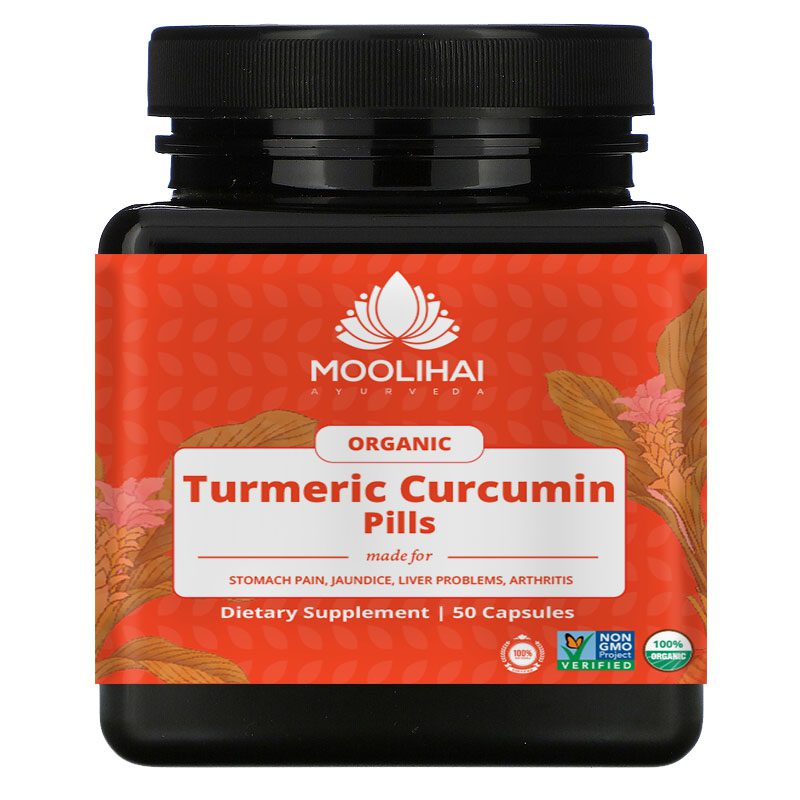
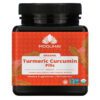
Turmeric Curcumin Capsules 60s | Antioxidant Supplement
19.00$
Quantity: 60 Capsules
Origin: India
Curcuma Longa · Turmeric Curcumin Extract · 60 Capsules · No Synthetic Additives
The World’s Most Researched Natural Anti-Inflammatory — In One Daily Capsule
Curcumin — the bright yellow compound in turmeric — is one of the most clinically studied plant molecules on earth. Over 12,000 peer-reviewed papers have explored its anti-inflammatory, antioxidant, and immune-supporting properties. Indian households have known this for 4,000 years: turmeric is in every curry, every golden milk, every wound paste, every Ayurvedic formulation. The challenge is bioavailability — curcumin is poorly absorbed by the body on its own. These capsules deliver concentrated turmeric curcumin in a convenient daily supplement, with no synthetic additives, no preservatives, and no artificial colours. One to two capsules daily with a meal is all it takes to add the most proven anti-inflammatory compound in traditional medicine to your daily routine. $19.00 for 60 capsules — a 1–2 month supply.
60 Capsules per Bottle
Natural Turmeric Extract
No Synthetic Additives
Ships via DHL / UPS
What Is Curcumin?
The Active Molecule in Turmeric
Turmeric (Curcuma longa) is a bright yellow rhizome from the ginger family, used across India for thousands of years as a spice, a medicine, and a sacred substance. But turmeric the spice is only about 3% curcumin by weight — meaning the golden powder you add to curry delivers flavour and colour but only a small therapeutic dose of the active compound. Curcumin is the molecule responsible for virtually all of turmeric’s studied health benefits: anti-inflammatory action, antioxidant protection, immune modulation, and more. These capsules concentrate that active compound so you get a meaningful therapeutic dose without eating tablespoons of turmeric powder daily. The result is the convenience of a daily supplement with the depth of 4,000 years of Ayurvedic and Siddha tradition behind it.
How Curcumin Fights Inflammation
Chronic low-grade inflammation is now recognised as a root driver of most modern diseases — heart disease, diabetes, arthritis, Alzheimer’s, depression, and many cancers. Curcumin targets inflammation at the molecular level: it blocks NF-κB, a protein complex that activates inflammatory genes in the nucleus of your cells. It also inhibits COX-2 and lipoxygenase — the same inflammatory enzymes targeted by pharmaceutical anti-inflammatories like ibuprofen and aspirin — but without the gastrointestinal side effects associated with long-term NSAID use. Additionally, curcumin is one of the most potent natural antioxidants known, neutralising free radicals directly while also boosting the body’s own antioxidant enzyme systems (superoxide dismutase, catalase, glutathione peroxidase). This dual mechanism — blocking inflammation + boosting antioxidant defences — is what makes curcumin uniquely comprehensive.
What Daily Curcumin Supports
Anti-Inflammatory
Blocks NF-κB, COX-2, and inflammatory cascades
Antioxidant
Neutralises free radicals + boosts endogenous enzymes
Joint Health
Reduces stiffness, swelling, and pain in arthritis
Brain Health
Supports BDNF production, neuroprotective
Heart Health
Improves endothelial function, reduces cardiovascular risk
Immune Support
Modulates immune response, antibacterial
Digestive Health
Stimulates bile production, reduces bloating
Mood Support
Studied for effects on depression and anxiety markers
Why Curcumin Matters — Benefit by Benefit
Joint Pain & Arthritis
This is curcumin’s most practically felt benefit for many users. Multiple clinical trials have shown curcumin supplementation reduces pain, stiffness, and swelling in osteoarthritis and rheumatoid arthritis patients — in some studies performing comparably to diclofenac (a common prescription anti-inflammatory) but with significantly fewer gastrointestinal side effects. Curcumin works by suppressing the inflammatory cytokines (TNF-α, IL-6) and enzymes (COX-2, MMP) that drive joint destruction. For people with chronic joint issues, daily curcumin supplementation provides cumulative anti-inflammatory protection. Results typically become noticeable after 4–8 weeks of consistent use.
Brain Health & Cognitive Function
Curcumin crosses the blood-brain barrier — a property that many compounds lack — allowing it to directly affect brain tissue. Research has shown that curcumin boosts Brain-Derived Neurotrophic Factor (BDNF), a growth hormone that promotes the formation of new neural connections and helps existing neurons survive. Low BDNF levels are linked to depression, Alzheimer’s disease, and age-related cognitive decline. By increasing BDNF, curcumin may help delay or reverse age-related brain changes. Some clinical studies have also shown curcumin improves memory and attention in older adults. This doesn’t mean curcumin prevents dementia — but it supports the biological environment that healthy brain function depends on.
Heart & Cardiovascular Health
Curcumin improves the function of the endothelium — the lining of your blood vessels. Endothelial dysfunction is a major driver of heart disease because it impairs blood pressure regulation, blood clotting control, and various other cardiovascular processes. Studies have shown that curcumin’s effect on endothelial function is comparable to moderate exercise. It also reduces oxidation of LDL cholesterol (oxidised LDL is what actually causes arterial plaque, not LDL itself) and lowers inflammatory markers that contribute to atherosclerosis. Daily curcumin supports multiple aspects of cardiovascular health simultaneously.
Mood & Mental Wellbeing
Several clinical trials have studied curcumin for depression, with promising results. One study found that curcumin was as effective as fluoxetine (Prozac) in reducing symptoms of major depressive disorder. The proposed mechanisms include BDNF elevation (as discussed above), reduction of inflammatory markers linked to depression (chronic inflammation is increasingly recognised as a contributor to depressive symptoms), and modulation of serotonin and dopamine pathways. Curcumin is not a replacement for prescribed antidepressants or professional mental health treatment — but for people interested in nutritional support for mood, the evidence base is meaningful and growing.
Simple, Daily, Consistent
Daily Supplement
Take 1–2 capsules daily with water, ideally with a meal that contains some fat (curcumin is fat-soluble, so absorption improves when taken alongside dietary fat — even a small amount like the oil in a cooked meal is sufficient). Taking with food also reduces any potential stomach irritation. For general wellness and antioxidant protection, 1 capsule daily is sufficient. For targeted anti-inflammatory support (joint pain, chronic inflammation), 2 capsules daily is the standard dose. Consistency is more important than dose — curcumin’s benefits are cumulative and build over weeks of regular use.
The Black Pepper Trick
Curcumin’s biggest limitation is poor bioavailability — on its own, most curcumin passes through the digestive tract without being absorbed. The solution has been known in Indian cooking for centuries: black pepper. Piperine, the active compound in black pepper, inhibits the liver enzymes that break down curcumin, increasing its bioavailability by up to 2,000%. Take your turmeric capsules with a meal that includes black pepper, or swallow a few whole black peppercorns alongside your capsule. This is why turmeric and black pepper are always paired in traditional Indian cooking — the combination isn’t accidental, it’s functional medicine embedded in cuisine.
Pair with Turmeric Tea
For comprehensive turmeric support, combine these capsules with Moolihai’s Turmeric Ashwagandha Herbal Tea. The capsules deliver concentrated curcumin for anti-inflammatory and antioxidant action, while the tea provides a gentler, broader-spectrum turmeric + ashwagandha blend that supports stress management, relaxation, and overall balance. Capsule in the morning with breakfast, tea in the evening as a calming ritual — this creates an all-day turmeric protocol that covers both targeted supplementation and gentle daily maintenance.
What You’re Getting
60 Capsules
1–2 month supply
Turmeric Curcumin
Natural extract, no synthetics
India
Origin
No Additives
No preservatives, no artificial colours
1–2 Daily
With food for best absorption
Curcuma Longa
Botanical source
Quality Processed
Multiple quality checks
$19.00
60 capsules
Ships Worldwide
USA
5–7 Days
FREE OVER $99
UK
5–7 Days
FREE OVER $99
Canada
5–7 Days
FREE OVER $99
Ships worldwide via DHL/UPS. Shipping info →
Common Questions
You can — and you should. Turmeric in food is wonderful for flavour and provides a baseline of beneficial compounds. But there’s a practical limitation: turmeric powder is only about 3% curcumin by weight. To get a therapeutically meaningful dose of curcumin from cooking alone, you’d need to consume several tablespoons of turmeric daily — which is impractical and would overwhelm any dish. These capsules provide concentrated curcumin in a measured dose, making it easy to get a consistent therapeutic amount every day. The ideal approach is both: use turmeric generously in your cooking (for flavour, colour, and gentle daily exposure) and take a curcumin capsule for concentrated anti-inflammatory and antioxidant support. They complement each other perfectly.
Strongly recommended. Curcumin alone has notoriously poor bioavailability — most of it passes through the digestive system without being absorbed. Piperine (the active compound in black pepper) increases curcumin bioavailability by up to 2,000% by inhibiting the liver enzymes that normally break curcumin down before it enters the bloodstream. The easiest way to implement this: take your capsules with a meal that contains black pepper (most cooked meals already do), or swallow 2–3 whole black peppercorns alongside your capsule. Taking curcumin with fat also improves absorption since curcumin is fat-soluble. A meal with some oil or fat + black pepper is the ideal setting for your daily capsule.
Curcumin is not a painkiller — it doesn’t produce instant effects like ibuprofen. It works by gradually reducing systemic inflammation and building antioxidant defences over time. Most people report noticeable improvements in joint stiffness and pain within 4–8 weeks of consistent daily use. Anti-inflammatory and antioxidant benefits begin immediately at the cellular level but take weeks to produce changes you can feel. Mood and cognitive benefits, where studied, have shown results over 4–12 weeks. The key is consistency — taking curcumin daily without gaps. Skipping days resets the cumulative anti-inflammatory effect. Think of it like exercise: the benefit comes from the habit, not any single session.
Different products, complementary roles. These Turmeric Curcumin Pills ($19.00) deliver concentrated curcumin for targeted anti-inflammatory and antioxidant supplementation — they’re a supplement, not a beverage. Take them daily for specific health goals (joint pain, inflammation, immune support). Moolihai’s Turmeric Ashwagandha Herbal Tea ($13.99) is a blended herbal tea combining turmeric with ashwagandha (an adaptogenic herb for stress and balance). It delivers a gentler turmeric dose alongside the calming, stress-reducing benefits of ashwagandha — it’s a daily ritual beverage, not a concentrated supplement. The ideal protocol: capsule in the morning for concentrated curcumin, tea in the evening for turmeric + ashwagandha relaxation. They work together beautifully.
Curcumin has mild blood-thinning (antiplatelet) properties and can interact with several types of medication. Blood thinners (warfarin, aspirin, clopidogrel): curcumin may enhance their effect, increasing bleeding risk. Diabetes medications: curcumin may lower blood sugar, potentially causing hypoglycaemia when combined with insulin or oral diabetes drugs. Acid reflux medications: curcumin can stimulate stomach acid production. Iron supplements: curcumin may reduce iron absorption. If you take any prescription medication, consult your doctor before starting curcumin supplements. This is not a theoretical warning — the interactions are pharmacologically meaningful. Your doctor can advise on safe timing, dosing, or whether curcumin is appropriate alongside your specific medication regimen.
Culinary amounts of turmeric in food are generally considered safe during pregnancy — it’s been used in Indian cooking by pregnant women for millennia. However, supplemental doses of concentrated curcumin (like these capsules) are a different matter. High-dose curcumin may stimulate uterine contractions and has mild blood-thinning effects, both of which are concerns during pregnancy. The standard recommendation is to avoid curcumin supplements during pregnancy and breastfeeding unless specifically approved by your OB-GYN or midwife. Continue using turmeric in cooking — just don’t add supplemental capsules on top during this period.
*Disclaimer: This is a dietary supplement containing natural turmeric curcumin extract. It is not intended to diagnose, treat, cure, or prevent any disease including arthritis, heart disease, cancer, depression, or Alzheimer’s disease. The benefits described are based on published clinical research on curcumin and traditional Ayurvedic and Siddha knowledge. Curcumin may interact with blood thinners, diabetes medications, acid reflux medications, and iron supplements — consult your doctor before use if you take any prescription medication. Not recommended in supplemental doses during pregnancy. People with gallbladder disease or bile duct obstruction should avoid curcumin supplements. Discontinue use 2 weeks before scheduled surgery (due to blood-thinning properties). Individual results vary.
| Weight | .1 kg |
|---|
Be the first to review “Turmeric Curcumin Capsules 60s | Antioxidant Supplement”
You must be logged in to post a review.
Reviews
There are no reviews yet.