

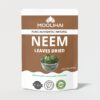
Organic Sun Dried Neem Leaves / Veppa Ilai – Azadirachta indica
8.99$
Botanical Name: Azadirachta Indica Origin: India Neem is the best factor for stimulating the healthy function of the liver and kidneys, it also helps to eliminate the toxins quickly for optimizing metabolic activity. Neem helps to prevent the accumulation of germs, microbes, dust, oil, and grime in your skin
Azadirachta Indica · Sun-Dried Neem Leaves · Veppa Ilai · 100g / 250g / 450g
India’s Village Pharmacy Grows on Every Street — And It Starts With the Leaves
There’s a saying in rural India: where there’s a Neem tree, there’s no need for a doctor. That’s an exaggeration, but it captures something real — Azadirachta indica contains over 140 identified bioactive compounds, with azadirachtin, nimbin, nimbolide, and quercetin doing the heaviest lifting. The leaves alone are antibacterial, antifungal, anti-inflammatory, antiviral, antiparasitic, and antioxidant. In Indian villages, neem leaves are still stuffed into grain stores to repel insects, boiled in bath water for skin infections, chewed for oral hygiene, and eaten raw on an empty stomach as a blood purifier. These are sun-dried whole neem leaves from Indian neem trees — the same species, the same traditional harvesting method. At $8.99 for 100g of dried leaves, this is the most concentrated and versatile form of neem you can keep on your shelf. Powder them, steep them, soak them, or paste them — every form works.
140+ Bioactive Compounds
Sun-Dried Whole Leaves
No Chemicals or Processing
Ships via DHL / UPS
Why Neem Works — The Key Compounds
Azadirachtin
The signature compound — insecticidal, anti-feedant, disrupts pest growth cycles
Nimbin & Nimbolide
Anti-inflammatory, antifungal, antitumour activity in research
Quercetin
Flavonoid antioxidant — protects cells from oxidative damage
Gedunin
Antimalarial, anti-inflammatory limonoid compound
Antibacterial
Active against Staphylococcus, Streptococcus, E. coli, and more
Antifungal
Effective against Candida, dermatophytes, and common skin fungi
Insect Repellent
Natural mosquito, moth, and pest deterrent
Blood Purifying
Supports liver detoxification and metabolic waste clearance
Known Across India
Azadirachta Indica
Botanical
வேப்பிலை (Veppa Ilai)
Tamil
नीम (Neem)
Hindi
ആര്യവേപ്പ് (Ariyaveppu)
Malayalam
వెపా (Vepa)
Telugu
Bevu / Olle Bevu
Kannada
Pakvakrita / Pichumanda
Sanskrit
Indian Lilac / Margosa
English
Six Ways to Use Dried Neem Leaves
Skin — Acne, Infections, Pigmentation
Grind dried neem leaves into a fine powder. Mix with water, rose water, or yoghurt to form a paste. Apply to face and affected areas, leave for 15–20 minutes, then rinse. The antibacterial and antifungal compounds (nimbin, nimbolide) kill acne-causing bacteria, while the anti-inflammatory properties reduce redness and swelling. For a brightening mask, mix neem leaf powder with turmeric powder and a few drops of Moolihai’s Moringa Oil — the turmeric adds its own anti-inflammatory action and the oil prevents the mask from over-drying the skin. Use 2–3 times per week for active acne; once a week for maintenance and general skin clarity.
Blood Purification — Internal Cleansing
This is neem’s most traditional internal use. Steep a small handful of dried neem leaves in hot water for 10–15 minutes to make a bitter neem tea. Drink on an empty stomach in the morning. The bitter taste is medicinal — the bitterness comes from the very compounds (limonoids, quercetin) that support liver function and help the body clear metabolic waste from the bloodstream. In Tamil Nadu villages, eating 4–5 raw neem leaves on an empty stomach every morning is still a common practice, especially during spring (Ugadi / Tamil New Year) as a seasonal detox. The dried leaves steeped in hot water deliver the same compounds in a more accessible form.
Immunity Support
Regular neem leaf consumption stimulates the immune system. The antioxidants (quercetin, nimbolide) protect immune cells from oxidative damage, while neem’s immunomodulatory properties enhance the body’s natural defenses against infection. In Ayurveda and Siddha, neem is classified as both a blood purifier and an immune tonic — the two are considered inseparable because clean blood is the foundation of a strong immune response. A cup of neem leaf tea 3–4 times per week, or a small amount of neem leaf powder mixed with Moolihai’s Marthandam Honey (the honey masks the bitterness and adds its own antimicrobial properties), provides consistent immune support.
Scalp & Hair Health
Boil dried neem leaves in water for 15 minutes, strain, and use the neem water as a final hair rinse after shampooing. The antifungal properties combat dandruff (often caused by Malassezia fungi), the antibacterial action addresses scalp infections and folliculitis, and the anti-inflammatory compounds soothe an itchy, irritated scalp. For a deeper treatment, grind neem leaves into powder, mix with coconut oil or Moolihai’s Bhringraj Oil, apply to scalp as a pre-wash mask for 30 minutes, then wash. This combination — neem for scalp health, Bhringraj for hair growth — is one of the most effective traditional hair care protocols.
Herbal Bath — Neem Water
Steep a generous handful of dried neem leaves in warm bath water for 10–15 minutes. Bathing in neem water is one of the oldest Indian hygiene practices — it cleanses the skin of bacteria and fungi, soothes rashes and minor infections, and leaves a subtle protective residual on the skin. Particularly effective for heat rash (prickly heat), fungal skin infections, and general skin irritation. In South Indian tradition, new mothers and infants are bathed in neem water for the antibacterial protection. For a traditional Tamil herbal bath blend, combine neem leaves with Moolihai’s Kuppaimeni Leaves and dried lemon peel.
Natural Pesticide & Grain Protector
This is neem’s non-medicinal superpower. Place dried neem leaves inside grain storage containers (rice, wheat, lentils, flour) to repel weevils, moths, and other pantry pests. The azadirachtin in the leaves acts as an anti-feedant — insects won’t eat grain that’s stored with neem. Tuck leaves into wardrobes and drawers to repel moths and silverfish. For gardening, steep neem leaves in water overnight, strain, and use as a natural foliar spray to protect plants from aphids, whiteflies, and mealybugs. This is organic pest control used across India for centuries — no synthetic chemicals needed.
Customer Reviews
Good quality neem leaves in dried form and at the best price. Glad to have purchased.
Good dried leaf. Will buy again.
Best quality dried neem leaves.
What You’re Getting
100g / 250g / 450g
Three pack sizes
Whole Dried Leaves
Sun-dried, not powder
India
Origin
No Chemicals
Naturally harvested, sun-dried
4.2★ (5 Reviews)
Rated by verified buyers
$8.99
100g pack
Ships Worldwide
USA
5–7 Days
FREE OVER $99
UK
5–7 Days
FREE OVER $99
Canada
5–7 Days
FREE OVER $99
Ships worldwide via DHL/UPS. Shipping info →
Common Questions
Different parts of the same tree serving different purposes. Neem Sticks (Veppam Kuchi) are sections of neem twig — used exclusively as a natural toothbrush for oral hygiene. You chew the end to fray the fibres, then brush your teeth with it. Dried Neem Leaves (Veppa Ilai) are the whole leaves of the neem tree — used for skin care (face masks, herbal baths), blood purification (neem tea), hair health (scalp rinse), immunity support, and natural pest control. The leaves contain the full spectrum of neem’s 140+ bioactive compounds in higher concentration than the twigs. If you’re looking for oral care, get the Neem Sticks. If you want the broadest range of neem’s medicinal and household uses, the dried leaves are what you need. Many customers buy both.
Whole dried leaves — not powder. This was actually asked in the reviews by a customer named Sonmoy, and it’s a common question. Whole leaves give you more flexibility: you can steep them whole for tea or bath water, place them whole in grain containers for pest protection, or grind them into powder yourself as needed using a blender, mortar and pestle, or coffee grinder. Whole leaves also stay fresh longer than pre-ground powder because the intact leaf structure protects the volatile compounds from oxidation. If you specifically want neem in powder form, you can easily powder these leaves at home — grind in 30-second pulses until fine, then sift through a mesh strainer to remove any fibrous bits.
Neem is one of the bitterest plants in common use — there’s no way around that. The bitterness is actually the medicine — the limonoid compounds that make neem bitter are the same compounds responsible for its antibacterial, liver-supporting, and blood-purifying effects. For internal use (neem tea), mix with Moolihai’s Marthandam Honey to take the edge off. Some people add ginger or lemon juice to the tea as well. Start with a weak steep (fewer leaves, shorter brewing time) and gradually increase as your palate adjusts. For external use (face masks, baths, hair rinses), the bitterness doesn’t matter — the compounds absorb through the skin without you needing to taste anything. Many people find that after 1–2 weeks of daily neem tea, the bitterness becomes tolerable and even expected.
No — neem is contraindicated during pregnancy. Neem leaves and neem oil have documented abortifacient properties when consumed internally. Do not drink neem tea, eat neem leaves, or take any neem product orally during pregnancy. Additionally, neem may reduce fertility in both men and women when consumed regularly at medicinal doses — it has historically been studied as a natural contraceptive. External use (neem water bath, neem face mask) carries lower risk because systemic absorption through skin is minimal, but most practitioners advise pregnant women to avoid all neem use as a precaution. After delivery, neem bath water for the mother and baby is a traditional South Indian postpartum practice and is generally considered safe externally.
Absolutely — and this is one of the most practical uses. Soak a generous handful of dried neem leaves in a litre of water overnight. Strain the liquid and pour into a spray bottle. Spray directly on plant foliage to repel aphids, whiteflies, spider mites, mealybugs, and other common garden pests. The azadirachtin disrupts insect feeding and reproduction without harming beneficial insects like bees and ladybugs (it’s an anti-feedant, not a broad-spectrum killer). Reapply every 5–7 days or after rain. You can also bury spent neem leaves in garden soil — they decompose and release neem compounds into the root zone, suppressing soil-borne pests and nematodes. This is certified organic pest management used in commercial organic farming worldwide.
Neem has demonstrated blood sugar-lowering effects in animal and preliminary human studies — the leaf extracts appear to have hypoglycaemic activity, potentially through enhanced insulin sensitivity and reduced glucose absorption. Traditionally, neem leaf decoction has been used in Ayurveda and Siddha as a supportive remedy for diabetes. However, this is important: if you are on diabetes medication (metformin, insulin, sulphonylureas), adding neem to your routine could lower blood sugar too much, causing hypoglycaemia. Neem is not a replacement for prescribed diabetes medication. If you want to try neem as a complementary approach, do so under the supervision of your doctor, who can monitor your blood sugar levels and adjust your medication if necessary.
*Dried neem leaves (Azadirachta indica) are a traditional Ayurvedic and Siddha medicinal herb. Health benefits described are based on traditional knowledge and the known phytochemical profile of neem. Not intended to diagnose, treat, cure, or prevent any disease. Contraindicated during pregnancy — neem has documented abortifacient properties. May reduce fertility at medicinal doses. May interact with diabetes medication, immunosuppressants, and lithium. Not recommended for children under 2 years of age internally. Consult your healthcare provider before internal use, especially if taking prescription medications. Individual results vary.
| Weight | .45 kg |
|---|---|
| Weight |
5 reviews for Organic Sun Dried Neem Leaves / Veppa Ilai – Azadirachta indica
Add a review
You must be logged in to post a review.
Related products




Andrea –
Dried leaf, good One, will buy it again.
Sonmoy –
Do these neem leaves come in powder form?
Chatterjee –
It has good quality neem leaves in dried form and these come at its best price! Glad to have purchased! Thanks Moolihai!
Rana –
Best quality of dried neem leaves
Ram Charan –
Go for it