
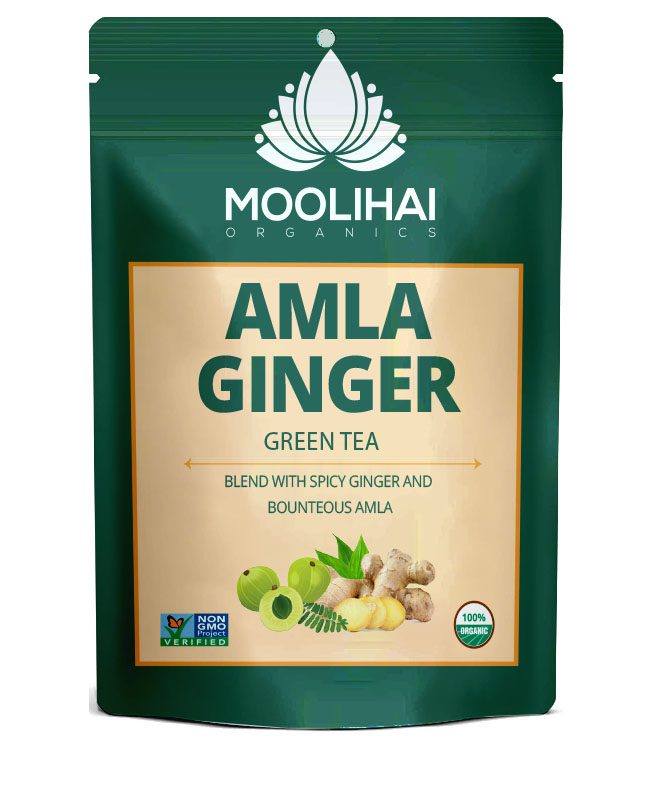
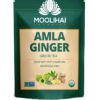
Amla Ginger Green Tea- Tea Bags
13.99$
Origin: India
Amla Ginger Green Tea is a combination of Vitamin C-rich amla (Indian gooseberry) and antibiotics-rich ginger root. It improves energy, immunity, and aids digestion.
Shipping All Over The World
We've upgraded our shipping! All orders now arrive within 7 days to the USA, UK, and Canada via UPS Express and DHL Express.
Quality Guarantee
Our Products are 99.9% Pure and Stocks are fresh. They pass through multiple quality checks before they are delivered to you.
Lowest Prices & Wholesale Orders
We offer the lowest prices for organic products. If you would like to buy in bulk, get in touch with us.
Secure Payments
Pay Securely using paypal, stripe and other secure payment providers.
Himalayan Green Tea + Amla (Indian Gooseberry) + Ginger · Tea Bags
Three Ingredients. Zero Filler. India’s Vitamin C Powerhouse in a Cup.
Amla — Indian gooseberry — contains 20× the vitamin C of oranges, gram for gram. That’s not a typo. Combined with antioxidant-rich Himalayan green tea and anti-inflammatory ginger, this is the most nutritionally concentrated tea in the Moolihai collection. Just three ingredients, nothing else. No sweetness — this is a tart, earthy, spicy tea for people who want functional health benefits over flavour comfort. Medium caffeine for a real morning energy lift. Bright liquor, vegetal green tea notes, citrusy amla tartness, spicy ginger warmth. 60 tea bags.
20× More Vitamin C Than Oranges
Only 3 Ingredients
60 Tea Bags
Ships via DHL / UPS
What It Tastes Like
Earthy Green Tea
First aroma
Bright Green-Gold
Cup colour
Medium Body
Weight on palate
Vegetal Opening
Himalayan green tea
Tart Amla Mid-Note
Citrusy, sour, crunchy
Spicy Ginger Finish
Warm & lingering
No Sweetness
Clean, tart, functional
Morning & Afternoon
Best time to drink
This is the most “functional” tea in the collection — it tastes like it’s working. The opening is fresh, vegetal Himalayan green tea — grassy and mountain-clean. The middle delivers amla’s distinctive tartness — citrusy, slightly sour, with a crunch-like sharpness that’s unmistakably Indian gooseberry. The finish is warming ginger spice that lingers. There’s no sweetness at all — this is a tart, earthy, spicy cup meant for people who prioritise health benefits over dessert-like flavour. Add honey if you prefer sweetness.
Three Ingredients, Nothing Else
Amla — India’s Vitamin C Superfruit
Amla (Emblica officinalis) is the cornerstone of this blend and one of the most revered fruits in Ayurvedic medicine. A single amla berry contains approximately 600–700mg of vitamin C — 20× more than an orange. But unlike synthetic vitamin C supplements, amla’s vitamin C comes with naturally occurring bioflavonoids and tannins that dramatically increase absorption and retention. Amla is also one of the highest-scoring fruits on the ORAC antioxidant scale. In Ayurveda, it’s the primary ingredient in Triphala and Chyawanprash — two of the most important formulations in Indian medicine.
Green Tea — The Antioxidant Base
Himalayan green tea provides the foundation — EGCG catechins for cellular protection, L-theanine for calm focus, and medium caffeine for sustained energy. The green tea base also helps the body absorb amla’s iron content (vitamin C enhances iron absorption) — so the two ingredients are synergistic, not just additive. The mountain-grown green tea has a clean, vegetal character that pairs naturally with amla’s tartness.
Ginger — The Digestive Anchor
Ginger balances the tartness of amla with spicy warmth and provides powerful digestive benefits. Gingerols stimulate gastric motility, ease bloating and nausea, and reduce inflammation. It also has antibacterial properties that complement amla’s antimicrobial effects. The ginger is what makes this tea drinkable on an empty stomach — it protects the stomach lining from amla’s natural acidity.
What Daily Amla Does for Your Body
Immunity
Vitamin C + antioxidants defend against infections
Hair Growth
Iron + vitamin C strengthen follicles
Skin Health
Collagen production, anti-ageing
Heart Health
Reduces cholesterol, supports arteries
Iron Absorption
Vitamin C enhances iron uptake
Brain Function
Antioxidants protect neural tissue
Respiratory Health
Fights colds, coughs, infections
Energy
Iron + B vitamins combat fatigue
Make the Perfect Cup
Hot — The Functional Morning Cup
Heat 200ml of water to 80–90°C (just below boiling — slightly cooler water preserves more of amla’s vitamin C, which degrades at high temperatures). Add a tea bag and steep for 3 minutes. Remove the bag. Drink as-is for the full tart, functional experience. Add honey or sugar if the tartness is too strong — there’s no shame in it, the health benefits remain the same. Best with or after breakfast. The medium caffeine provides a real energy lift comparable to a weak coffee.
Iced — The Tart Refresher
Brew double-strength (2 tea bags, 200ml hot water at 80–90°C, 3 minutes). Remove bags, stir in a tablespoon of honey while warm (the tartness really benefits from sweetening when cold). Refrigerate for 2–3 hours, then serve over ice. Add a squeeze of lime for extra citrus punch. The amla tartness makes this one of the most refreshing iced teas you’ll ever try — it has that sharp, clean quality that quenches thirst immediately. Excellent for hot weather.
Hair & Skin Protocol — Daily Ritual
For hair growth and skin benefits, consistency matters more than anything else. Drink one cup every morning — the vitamin C supports collagen production (skin elasticity, wound healing, anti-ageing) and enhances iron absorption (which feeds hair follicles). Over 4–8 weeks of daily use, many people notice stronger nails, healthier hair, and improved skin texture. This is the same principle behind taking amla supplements — but in a more natural, absorbable, and enjoyable form.
What You’re Getting
60 Tea Bags
Also available: 15 & 30
3 Ingredients
Purest blend
India
Origin
Medium Caffeine
Real energy lift
No Sweetness
Tart & functional
Immunity + Hair
Primary benefits
No Additives
Nothing else added
$13.99
$0.23 per cup
Ships Worldwide
USA
5–7 Days
FREE OVER $99
UK
5–7 Days
FREE OVER $99
Canada
5–7 Days
FREE OVER $99
Ships worldwide via DHL/UPS. Shipping info →
Common Questions
Both are morning green teas with ginger and medium caffeine — but the lead ingredient and flavour are completely different. Amla Ginger is tart, earthy, and functional — amla delivers massive vitamin C for immunity, hair, and skin. No sweetness. Three ingredients. This is the “health-first” choice for people who want maximum nutritional benefit. Lemon Ginger is bright, citrusy, and accessible — lemon + orange peel deliver a pleasant flavour with vitamin C as a bonus. Low sweetness. Five ingredients. This is the “flavour-first” choice for people who want a delicious cup that also happens to be healthy. Choose Amla Ginger for function. Choose Lemon Ginger for flavour.
Yes — the tartness is the amla. Indian gooseberry is naturally very sour/tart, and that tartness is directly linked to its extremely high vitamin C content. If you’ve had amla candy, amla juice, or Chyawanprash, you’ll recognise the flavour. The tartness is an indicator that the amla is real and potent — not a flavouring. If it’s too tart for your taste, add a teaspoon of honey, which balances the sourness beautifully without diminishing the health benefits. Over time, many people grow to love the sharp, clean tartness.
Amla has been used for hair health in Indian medicine for thousands of years — it’s a key ingredient in virtually every traditional Indian hair oil and hair treatment. The mechanism is well understood: vitamin C is essential for collagen production (which supports hair structure), and it dramatically enhances iron absorption (iron deficiency is one of the most common causes of hair loss, especially in women). Combined with amla’s antioxidants that protect follicles from oxidative damage, daily amla consumption supports hair strength, thickness, and growth. Results typically become noticeable after 4–8 weeks of daily use.
At $13.99 for 60 bags ($0.23/cup), it’s $2 more than the $11.99 teas. The price difference reflects amla — Indian gooseberry is a more expensive raw material than lemongrass, mint, or standard herbs. Amla has to be harvested, dried, and processed carefully to preserve its vitamin C content (which is heat-sensitive). Think of the $2 premium as replacing your daily vitamin C supplement — which typically costs $10–15/month for a synthetic version that’s less bioavailable than natural amla. At $0.23 per cup, this is one of the most cost-effective ways to get high-quality natural vitamin C daily.
Amla is acidic and can cause mild stomach discomfort in some people when consumed on a completely empty stomach. However, the ginger in this blend counteracts that — ginger is a natural anti-nausea agent that protects the stomach lining. Most people can drink this on an empty stomach without issue, especially after a few days of adjustment. If you experience any acidity, drink it with or just after breakfast instead. The brewing temperature also matters — use 80–90°C water (not boiling) to reduce the release of excess tannins.
Amla and ginger are both commonly consumed during pregnancy in India and are generally considered safe in moderate amounts. Ginger is specifically used for morning sickness. However, this tea contains medium caffeine from the green tea base — most guidelines recommend limiting caffeine to under 200mg daily during pregnancy. One cup per day is well within safe limits. Consult your OB-GYN or midwife for guidance specific to your pregnancy. For a caffeine-free vitamin C source, consider eating amla fruit or drinking amla juice instead.
*Disclaimer: This is a food/beverage product. Health benefits described are based on the known properties of the individual ingredients and published nutritional science. This product is not intended to diagnose, treat, cure, or prevent any disease. Not a substitute for a balanced diet, medical treatment, or prescribed supplements. Contains caffeine (medium). Amla is acidic — may not be suitable for individuals with severe acid reflux or gastric ulcers. Consult your healthcare provider if pregnant, nursing, or on medication. Individual results vary.
| Weight | 0.1 kg |
|---|---|
| Weight |
Be the first to review “Amla Ginger Green Tea- Tea Bags”
You must be logged in to post a review.
Related products

Reviews
There are no reviews yet.