

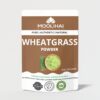
Organic Wheatgrass Powder
9.99$
Origin: India Condition: Powder
Shipping All Over The World
We've upgraded our shipping! All orders now arrive within 7 days to the USA, UK, and Canada via UPS Express and DHL Express.
Quality Guarantee
Our Products are 99.9% Pure and Stocks are fresh. They pass through multiple quality checks before they are delivered to you.
Lowest Prices & Wholesale Orders
We offer the lowest prices for organic products. If you would like to buy in bulk, get in touch with us.
Secure Payments
Pay Securely using paypal, stripe and other secure payment providers.
Triticum Aestivum Leaf · Organic · 100g / 250g / 450g · Gluten Free · Vegan
Nature’s Densest Green — 70% Chlorophyll, Harvested Once a Year, From the Tips Only
Wheatgrass is the young leaf of the common wheat plant, harvested at 7–10 days of growth before the grain forms — which is why it’s gluten-free despite having “wheat” in the name. At this stage, the grass blade is essentially a concentrated packet of chlorophyll, amino acids, enzymes, and minerals that the plant has stockpiled to fuel its growth. Moolihai’s wheatgrass is grown naturally and harvested only once a year, allowing the root system to grow deep enough to pull up minerals that shallow-rooted, tray-grown wheatgrass never reaches. Only the tips of the grass are cut — that’s where the nutrient density peaks. The result: one scoop of this powder delivers the nutritional equivalent of 10 shots of tray-grown wheatgrass juice. Mix into water, smoothies, juice, or shakes. 5.0★ across 7 verified reviews. Larkin has been using it for years. Rabisha switched from another brand because the taste didn’t compare.
5.0 ★ Rating (7 Reviews)
Harvested Once a Year
Tips Only · Deep-Rooted
Ships via DHL / UPS
Once a Year, Tips Only, Deep Roots
Most commercial wheatgrass is grown in shallow trays indoors, harvested after 7–10 days, and cut at the base. The roots barely develop. The grass pulls nutrients only from whatever’s in the thin layer of growing medium. Moolihai’s wheatgrass is field-grown in natural soil, harvested once annually. That single annual harvest means the root system spends an entire growing season pushing deep into the earth, pulling up trace minerals — selenium, zinc, manganese, iron — that tray-grown grass can’t access. When harvest time comes, only the tips of the blades are cut. The tip of the grass blade is where the plant concentrates its highest density of chlorophyll, enzymes, and amino acids. This is the difference between a diluted tray-grown product and a field-grown, deep-rooted, tip-harvested powder — and it’s why one scoop of this powder equals roughly 10 shots of standard wheatgrass juice.
The Nutritional Profile
~70% Chlorophyll
Blood-builder, detoxifier, oxygen carrier
Essential Amino Acids
Complete protein building blocks
Live Enzymes
SOD, catalase, cytochrome oxidase
Vitamins A, C, E, K
Plus B-complex vitamins
Calcium & Magnesium
Bone, muscle, nerve function
Iron & Zinc
Blood health, immunity
Dietary Fibre
Made from whole leaf, fibre intact
Alkalising
Helps balance body pH toward alkaline
What Daily Wheatgrass Does
Chlorophyll and Blood
Chlorophyll’s molecular structure is nearly identical to haemoglobin — the protein in red blood cells that carries oxygen. The only structural difference is the central atom: magnesium in chlorophyll, iron in haemoglobin. This resemblance is why naturopaths and Ayurvedic practitioners have long considered chlorophyll a “blood builder.” While chlorophyll doesn’t directly become haemoglobin, consuming chlorophyll-rich foods supports the body’s blood-building processes by providing the raw molecular scaffolding and the magnesium, iron, and B-vitamins needed for healthy red blood cell production. Sweety (verified buyer) specifically bought this product for its detoxifying properties — chlorophyll supports the liver’s Phase II detoxification enzymes, helping the body process and eliminate toxins more efficiently.
Alkalising the Body
The modern Western diet — heavy in processed food, sugar, meat, dairy, alcohol, and caffeine — tends to push the body toward an acidic metabolic state. While the body maintains blood pH tightly regardless of diet, the metabolic effort required to buffer chronic dietary acidity diverts resources from other processes. Wheatgrass is one of the most alkaline-forming foods available. Daily consumption helps ease the buffering burden on the kidneys and bones (which donate calcium to neutralise acid), supports mineral retention, and creates an internal environment where inflammatory processes and harmful bacteria find it harder to thrive. One scoop in water each morning shifts the body’s metabolic starting point for the day.
Immunity and Antioxidant Defence
Wheatgrass contains superoxide dismutase (SOD), one of the body’s most important endogenous antioxidant enzymes. SOD neutralises superoxide radicals — the most common and damaging free radical produced during normal cellular metabolism. Supplementing SOD through wheatgrass powder supports the body’s existing antioxidant defences rather than introducing a foreign compound. Combined with vitamins A, C, and E (all present in wheatgrass), the antioxidant coverage is broad-spectrum. Abitha (verified buyer) bought it specifically for overall health and reported being totally satisfied — the kind of general wellbeing improvement people describe often traces back to reduced oxidative stress and better nutrient status.
Digestive and Colon Health
Wheatgrass supports digestion through two mechanisms. First, the dietary fibre (preserved because this powder is made from the whole leaf, not juiced and strained) promotes regular bowel movements and feeds beneficial gut bacteria. Second, the chlorophyll and enzymes in wheatgrass have a soothing effect on the digestive lining — traditional naturopathic practitioners have used wheatgrass for ulcerative colitis, irritable bowel, and general digestive discomfort. The colon-supportive claim on this product comes from wheatgrass’s ability to promote a healthy intestinal environment through fibre, chlorophyll, and alkalisation combined.
Three Ways to Take It
Wheatgrass Shot — Water Only
The purist method. Mix 1 teaspoon (about 3–5g) of wheatgrass powder in half a glass of water. Stir briskly and drink immediately. The taste is grassy and green — earthy, slightly sweet, with a vegetal bite. Most people get used to it within a few days. Rabisha (verified buyer) specifically noted that Moolihai’s taste is noticeably better than competing brands. Drink between meals or first thing in the morning on an empty stomach for maximum absorption. If the taste is too strong, squeeze in half a lemon — it cuts the grassiness and adds vitamin C.
Smoothie or Juice Blend
Add 1–2 teaspoons to any fruit or vegetable smoothie. Banana, mango, pineapple, and apple juice all mask the grassy flavour effectively while adding their own nutrients. For a green smoothie: wheatgrass powder + banana + spinach + almond milk + honey. The powder blends in completely — no grit, no lumps. This is the most popular method for people who want the benefits without tasting the grass. Nishi (verified buyer) noted it’s tasty — likely using it in a blend.
Mixed into Food
Wheatgrass powder can be stirred into soups, sprinkled over salads, mixed into yoghurt or oatmeal, or added to energy ball recipes. The flavour is mild enough to disappear into savoury dishes and strong smoothie bowls. For baking, add a teaspoon to pancake or muffin batter — it turns the batter green (which kids sometimes enjoy) and adds a nutrient boost without changing the flavour significantly. Keep in mind that heat destroys some of the live enzymes, so raw or cold applications preserve more of the enzymatic activity.
What Customers Say
“I tried another company, but the taste was pathetic. This is a good product — the taste is really good.”
“I bought this for overall good health, and I am totally satisfied. It’s working well for me. I will buy it again.”
“I’ve been using this product for years. It’s really helpful for good health.”
All reviews from verified purchases on moolihai.com
What You’re Getting
100g / 250g / 450g
Three pack sizes
Whole Leaf Powder
Tips only, fibre preserved
India
Field-grown, harvested annually
5.0 / 5 Rating
7 verified reviews
Gluten Free
Leaf only, no grain
Vegan · Non-GMO
No added sugar
1 Scoop = 10 Shots
vs tray-grown wheatgrass
From $9.99
100g pack
Ships Worldwide
USA
5–7 Days
FREE OVER $99
UK
5–7 Days
FREE OVER $99
Canada
5–7 Days
FREE OVER $99
Ships worldwide via DHL/UPS. Shipping info →
Common Questions
Yes. Gluten is a protein found in the grain (the seed) of the wheat plant. Wheatgrass is harvested at 7–10 days of growth — long before the plant produces any grain. At this stage, the grass blade contains no gluten whatsoever. It’s the leaf of the wheat plant, not the seed. This has been confirmed through independent testing. People with celiac disease or gluten sensitivity can consume wheatgrass powder safely, though if you have severe celiac, it’s reasonable to confirm with your gastroenterologist before trying any wheat-derived product, even one that’s been tested gluten-free, for your own peace of mind.
Fresh wheatgrass juice — juiced on the spot from living grass — is considered the gold standard by raw food advocates because it contains maximum live enzyme activity. The drawback: you need a wheatgrass juicer, fresh grass (which spoils quickly), and the juice must be consumed within 15 minutes before the enzymes degrade. Powder is the practical alternative. It retains most of the nutritional profile — chlorophyll, vitamins, minerals, amino acids, fibre — in a shelf-stable format you can use any time. Some enzyme activity is reduced during drying, which is the tradeoff. For daily, consistent supplementation, powder wins on convenience and cost. One scoop of this field-grown, tip-harvested powder provides the nutrient equivalent of 10 shots of tray-grown juice — the concentration factor offsets the enzyme loss.
Green. Grassy. Earthy. Mildly sweet with a vegetal edge. If you’ve ever tasted fresh-cut grass or a concentrated green smoothie, you know the general territory. Most people find it tolerable in water and genuinely pleasant in smoothies. Rabisha (verified buyer) specifically switched from another brand because Moolihai’s wheatgrass tastes noticeably better — field-grown, tip-harvested wheatgrass has a sweeter, less bitter profile than tray-grown varieties. If you’re new to wheatgrass, start by blending it into a fruit smoothie (banana and mango work particularly well) and gradually try it in plain water as your palate adjusts. Adding lemon or honey to the water version helps too.
Start with 1 teaspoon (3–5g) per day, ideally on an empty stomach or between meals for best absorption. After a week, you can increase to 2 teaspoons daily if you want a stronger effect. Some dedicated users take 1 tablespoon (about 10g) daily, though this is the upper end and not necessary for most people. If you experience any digestive adjustment — mild nausea, loose stools, or bloating — scale back to half a teaspoon and build up gradually. This is normal and usually resolves within a few days as your body adjusts to the concentrated chlorophyll and fibre. At 1 teaspoon daily, the 100g pack lasts approximately 3–4 weeks.
Wheatgrass is a food, not a drug — but children’s digestive systems are more sensitive to concentrated green powders. For children over 5, half a teaspoon mixed into a fruit smoothie is a reasonable starting point. The green colour can be a hard sell for some kids, but blending with mango or banana disguises both the colour and the taste effectively. For children under 5, consult your paediatrician before introducing any concentrated supplement. If your child has a wheat allergy (distinct from gluten intolerance — wheat allergy is an immune reaction to wheat proteins), consult an allergist first, even though wheatgrass is from the leaf, not the grain.
Wheatgrass is generally considered safe during pregnancy at food-level doses (1 teaspoon daily). It’s a nutrient-dense green food, not a herbal medicine with active pharmacological compounds. The iron, folate, and vitamin content can actually be supportive during pregnancy. That said, two cautions apply. First, the detoxification effect — wheatgrass stimulates liver detox pathways, and rapid detoxification during pregnancy is not desirable because mobilised toxins can theoretically reach the fetus. If you weren’t taking wheatgrass before pregnancy, pregnancy is not the ideal time to start. Second, the standard advice: discuss any new supplement with your OB-GYN or midwife before adding it during pregnancy.
*This is a food-grade organic wheatgrass leaf powder. Wheatgrass is harvested before the grain forms and is tested gluten-free; however, individuals with severe celiac disease should consult their doctor before use. Health benefits described are based on the known nutritional profile of wheatgrass and traditional naturopathic usage. Not intended to diagnose, treat, cure, or prevent any disease. The “1 scoop = 10 shots” comparison refers to nutrient density relative to standard tray-grown wheatgrass. Some people experience mild digestive adjustment (nausea, bloating) when first introducing wheatgrass — start with a small dose. If you have a wheat allergy (not the same as gluten intolerance), consult your allergist before use. Individual results vary.
| Weight | .1 kg |
|---|---|
| Weight |
7 reviews for Organic Wheatgrass Powder
Add a review
You must be logged in to post a review.
Related products
sweety (verified owner) –
It is good for detoxifying your body
abitha (verified owner) –
I bought this product for overall good health, and I am totally satisfied with the product. It’s working well for me. I will buy it again from moolihai. Thanks, moolihai
nishi (verified owner) –
Also, this is very tasty
inlam (verified owner) –
very good product
larkin (verified owner) –
I’ve been using this productfor years. It’s really helpful for good health
vibisha (verified owner) –
I am also liking it now. 👍
rabisha (verified owner) –
Good product. The taste of this is really good. I tried another company, but the taste was pathetic