

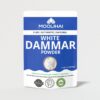
Vateria Indica · Kungiliyam · White Dammar / Piney Resin · Lohaban · 100g / 250g / 450g
India’s Sacred Healing Resin — For Respiratory Relief, Skin Health, Dhoop Fumigation & Herbal Smoking
Kungiliyam (White Dammar) is a tree resin that has been central to Indian medicine, temple worship, and home purification for thousands of years. It’s harvested from Vateria indica — a majestic tree endemic to the moist deciduous forests of the Western Ghats, one of the world’s biodiversity hotspots. When the bark of the Dammar tree is tapped, it exudes a dense, brown-coloured resin that hardens on contact with air. This resin — ground into a fine powder — is one of the most versatile substances in Ayurveda and Siddha medicine: an internal remedy for respiratory conditions (asthma, bronchitis, chronic cough), a topical treatment for skin problems, a natural dhoop (incense) for home purification and temple puja, and an effective mosquito repellent when burned.
5.0 ★ Rating (10 Reviews)
100% Natural Tree Resin
Western Ghats Endemic
Ships via DHL / UPS
A Sacred Resin from India’s Western Ghats Rainforests
The Dammar tree (Vateria indica) is a towering hardwood endemic to the moist deciduous and semi-evergreen forests of the Western Ghats — the mountain range that runs along India’s southwestern coast through Kerala, Karnataka, Tamil Nadu, and Goa. These trees grow up to 30 metres tall and are remarkable for their dual nature: they’re green and leafy in the first half of the year, then shed their leaves and become deciduous in the second half. When the bark is scored or naturally damaged, the tree produces a dense, aromatic resin as a wound-healing defence mechanism — sealing the injury and protecting against insects and pathogens. This resin, called Kungiliyam in Tamil (Vellai Kungiliyam when referring to the white/pale variety), has been harvested by forest communities for centuries. It’s one of India’s oldest known aromatic substances — used in temple rituals, Ayurvedic and Siddha medicine, and household fumigation since before recorded history. The resin contains a complex mixture of triterpenes, tannins, volatile aromatics, and oleoresins that give it both its characteristic warm, balsamic fragrance and its wide-ranging therapeutic properties. Moolihai sources this resin from the Western Ghats and grinds it into a fine powder for convenient use — both medicinal and aromatic.
Medicine, Incense & Mosquito Repellent — In One Jar
Respiratory Relief
This is the #1 traditional use of Kungiliyam — and the benefit most consistently reported by Moolihai customers. Verified buyer Benjamin specifically credits this product with helping him breathe easier during allergy season when his asthma flares up. In Ayurveda and Siddha medicine, White Dammar is classified as a “Kasa-Swasa Hara” (cough-and-asthma reliever). The resin’s volatile terpenes act as natural expectorants and bronchodilators — thinning mucus, opening airways, and reducing the inflammation that narrows bronchial passages. It’s traditionally used for asthma (Swasa Kasam), chronic bronchitis, wheezing, persistent dry cough, and flu-related congestion. Both internal consumption (decoction) and aromatic inhalation (dhoop smoke) deliver respiratory benefits through different pathways.
Skin Health & Antioxidant Protection
White Dammar resin is rich in polyphenolic compounds and tannins with documented antioxidant, anti-inflammatory, and antimicrobial activity. In Ayurveda, it’s prescribed for a range of skin conditions: rashes, itching, inflammatory dermatitis, wrinkles, and premature skin ageing. The antioxidants neutralise free radicals generated by UV exposure, pollution, and metabolic stress — protecting collagen and elastin from degradation. The anti-inflammatory compounds calm irritated skin and reduce redness. When applied topically as a paste (mixed with water or sesame oil), it provides a soothing, protective layer that supports the skin’s natural healing processes. For internal antioxidant benefit, the traditional decoction delivers these compounds systemically.
Dhoop / Incense Fumigation
Kungiliyam is one of the most important traditional dhoop (incense) materials in Hindu worship and home purification. When the powder is placed on hot charcoal or burned directly, it releases a thick, aromatic, balsamic smoke with a warm, resinous fragrance. This dhoop fumigation serves multiple purposes simultaneously: it creates a sacred, meditative atmosphere for puja and prayer, it purifies the air by releasing antimicrobial volatile compounds, and it has an insect-repellent effect (particularly against mosquitoes). In Tamil households, burning Kungiliyam at dusk is a centuries-old practice — part tradition, part practical pest control. Verified buyers Darshan and Kash both specifically praise the aromatic quality.
Natural Mosquito Repellent
The aromatic smoke from burning Kungiliyam powder is an effective mosquito repellent — a fact that traditional Indian households have known for generations and that modern research on plant-based repellents is now validating. The terpene-rich smoke interferes with mosquitoes’ carbon dioxide detection system, effectively making the inhabitants of the room “invisible” to the insects. Unlike commercial mosquito coils and plug-in repellents (which contain synthetic pyrethroids like allethrin and prallethrin), Kungiliyam smoke is entirely natural — no synthetic chemicals, no plastic waste, no electrical consumption. For areas where mosquito-borne diseases (dengue, malaria, chikungunya) are a concern, this traditional fumigation method provides genuine protection alongside its spiritual and aromatic benefits.
Joint & Arthritis Support
White Dammar has traditional use as an anti-inflammatory agent for arthritis, chronic rheumatism, and joint stiffness. The triterpene compounds in the resin inhibit inflammatory mediators (prostaglandins, leukotrienes) through a mechanism similar to — but gentler than — non-steroidal anti-inflammatory drugs (NSAIDs). For topical joint relief, the powder can be mixed with sesame oil or coconut oil and massaged into affected joints. For systemic anti-inflammatory benefit, the traditional decoction is consumed internally. The dual topical + internal approach — addressing inflammation both locally and systemically — is a hallmark of Ayurvedic treatment philosophy.
Neurological & Fever Support
Ayurvedic texts document White Dammar for neurological disorders (including epilepsy, when consumed under strict practitioner guidance), hemicrania (one-sided headache/migraine), and fever reduction. The resin’s cooling and anti-inflammatory properties help regulate elevated body temperature. For headaches, the aromatic smoke is inhaled or a paste is applied to the forehead and temples. The calming, grounding effect of Kungiliyam fumigation on the nervous system is well-recognised in Ayurveda — it reduces Vata and Pitta aggravation, which manifest as anxiety, restlessness, nerve pain, and overheating. This is why temples burn large quantities during ceremonies — the cumulative aromatic effect creates an environment of calm and focus.
Women’s Menstrual Health
In Ayurveda, White Dammar is prescribed for dysmenorrhoea (painful periods) and amenorrhoea (absent periods). The anti-inflammatory and smooth-muscle-relaxing properties of the resin compounds may help reduce uterine cramping and promote regular menstrual flow. This is typically used as an internal decoction under practitioner guidance, often combined with other uterine-supportive herbs. It’s not a standalone menstrual treatment — but as part of a broader Ayurvedic protocol for menstrual irregularity, Kungiliyam contributes anti-inflammatory and circulation-enhancing effects that complement the primary treatment herbs.
Herbal Smoking (Dhoomapana)
Dhoomapana — therapeutic herbal smoking — is a documented Ayurvedic practice described in classical texts including the Charaka Samhita and Sushruta Samhita. Kungiliyam is one of the traditional herbs used in this practice, where medicinal smoke is inhaled through the mouth and exhaled through the nose (or vice versa) to deliver volatile herbal compounds directly to the respiratory mucosa. This is NOT recreational smoking — it’s a specific therapeutic technique used for upper respiratory congestion, sinus blockage, and to clear “Kapha” (mucus) from the head and chest. It should only be performed under the guidance of an Ayurvedic practitioner who can determine appropriate frequency and duration.
Four Ways to Use Kungiliyam Daily
Internal Decoction — For Respiratory & Systemic Benefits
Mix approximately 5g of Kungiliyam powder (about 1 teaspoon) in 100ml of water. Boil for a few minutes, then strain and allow to cool slightly. Drink this decoction before breakfast and after dinner. The warm water extracts the water-soluble triterpenes and tannins, delivering them to the digestive tract where they’re absorbed systemically. This is the primary method for addressing respiratory conditions (asthma, bronchitis, chronic cough), joint inflammation, and fever. The taste is mildly bitter and resinous — if needed, add a teaspoon of Moolihai’s Marthandam Honey to improve palatability. For chronic conditions, consistent daily use over 4–8 weeks is needed to achieve optimal benefit.
Dhoop Fumigation — For Purification, Puja & Mosquito Control
This is the most popular use — and the one that multiple reviewers praise for its aromatic quality. Place a small amount of Kungiliyam powder (½ to 1 teaspoon) on a hot charcoal disc, a purpose-made dhoop burner, or directly into a small flame-safe dish. The powder will begin to smoke immediately, releasing its characteristic warm, balsamic, resinous fragrance. Walk through each room of the house with the smoking dish — paying particular attention to corners, doorways, and areas where mosquitoes tend to gather. For puja use, place the burning dhoop before the altar or deity as you would any traditional incense. For mosquito repellent effect, burn at dusk (when mosquitoes are most active) with windows partially open to allow circulation while maintaining enough smoke concentration indoors.
Topical Paste — For Skin & Joint Conditions
Mix Kungiliyam powder with a small amount of water, coconut oil, or sesame oil to form a smooth paste. For skin conditions (rashes, itching, inflammation, wrinkles), apply a thin layer to the affected area and leave for 20–30 minutes before washing off. For joint pain and arthritis, mix with warm sesame oil and massage gently into the affected joint — the warmth of the oil enhances absorption. The tannins and triterpenes provide anti-inflammatory, antimicrobial, and antioxidant activity directly at the application site. For facial skincare, combine with Moolihai’s Multani Mitti (Fuller’s Earth) for a deep-cleansing, antioxidant face mask.
Steam Inhalation — For Sinus & Congestion Relief
Add 1 teaspoon of Kungiliyam powder to a bowl of boiling water. Drape a towel over your head, lean over the bowl, and inhale the aromatic steam through your nose for 5–10 minutes. The volatile terpenes in the steam act as natural decongestants — opening nasal passages, thinning sinus mucus, and reducing inflammation in the upper respiratory tract. This method delivers the respiratory benefits without the smoke of dhoop fumigation, making it suitable for people who are sensitive to smoke or who prefer a gentler approach. For enhanced effect, add a few drops of Moolihai’s Eucalyptus or Citronella Essential Oil to the same bowl.
Names Across India
Tamil
வெள்ளை குங்கிலியம் (Vellai Kungiliyam)
Hindi
Safed Dammar / Kharuva / Lohaban
Malayalam
Vella / Vellappain
Telugu
Tella Damaramu
Kannada
Dhoopada Mara / Bili Dhoopa
Bengali
Guggul
English
White Dammar / Piney Resin
Botanical
Vateria indica Linn.
What Our Customers Say
this product has helped me breathe easier and feel more comfortable, especially during allergy season when my asthma tends to flare up
Using Moolihai’s White Dammar has been a game-changer for me
I highly recommend Moolihai’s White Dammar to anyone looking for top-notch quality.
All reviews from verified purchases on moolihai.com
What You’re Getting
100g / 250g / 450g
Three size options
Fine Resin Powder
Ground from natural tree resin
India — Western Ghats
Endemic forest source
5.0 / 5 Rating
10 verified reviews — perfect score
Triterpenes & Tannins
Active therapeutic compounds
No Additives
Pure ground resin, nothing added
Multi-Use
Internal, topical, fumigation, steam
$14.99
100g pack
Ships Worldwide
USA
5–7 Days
FREE OVER $99
UK
5–7 Days
FREE OVER $99
Canada
5–7 Days
FREE OVER $99
Ships worldwide via DHL/UPS. Shipping info →
Common Questions
They’re often confused — and the product listing itself includes “Frankincense Resin” as an alternate name — but they’re actually different substances from different trees. Kungiliyam / White Dammar comes from Vateria indica, a tree endemic to India’s Western Ghats. Frankincense comes from Boswellia species (particularly B. serrata in India, B. sacra in Arabia), which are different trees from a different botanical family. Both are aromatic tree resins with anti-inflammatory properties, both are burned as incense, and both have long histories in traditional medicine — which is why they’re often grouped together. However, their chemical profiles differ: Boswellia is rich in boswellic acids (the active compounds in modern Boswellia supplements), while Vateria indica resin contains a different triterpene profile. In Tamil/South Indian practice, “Kungiliyam” specifically refers to the Vateria indica resin. Moolihai also sells Boswellia Serrata Extract separately — for maximum anti-inflammatory benefit, some practitioners recommend using both.
Kungiliyam dhoop has been burned in Indian homes and temples for thousands of years — it’s one of the oldest forms of indoor air treatment in Indian culture. The smoke contains natural terpenes and aromatic compounds that have documented antimicrobial properties (studies on traditional Indian dhoop fumigation have shown significant reduction in airborne bacteria). That said, any smoke — including natural plant smoke — contains particulate matter that can irritate sensitive airways. For most people: brief, well-ventilated dhoop fumigation (5–10 minutes with windows partially open) is safe and beneficial. For people with severe asthma or smoke sensitivity: use the steam inhalation method instead (add powder to boiling water, inhale the steam). Interestingly, Benjamin — who has asthma — specifically praises this product for respiratory relief, suggesting that the therapeutic benefits outweigh any smoke irritation for many users. If in doubt, start with brief exposure and open windows.
Yes — and it’s one of the oldest mosquito control methods in India. Traditional Indian households burn Kungiliyam at dusk (the peak mosquito activity period) to fumigate rooms. The terpene-rich smoke disrupts mosquitoes’ ability to detect the carbon dioxide and body heat that attract them to humans. It’s not as potent as DEET-based repellents applied directly to skin, but for indoor area protection, it’s a genuinely effective natural alternative. The advantage over commercial mosquito coils is significant: Kungiliyam is a natural tree resin with no synthetic pyrethroids (allethrin, prallethrin), no formaldehyde binders, and no plastic components. Commercial mosquito coils have been linked to respiratory problems with prolonged use — Kungiliyam smoke, by contrast, is the same substance used therapeutically for respiratory conditions. For outdoor use (patios, balconies), burn a larger quantity in a wide dish for broader smoke coverage.
The aroma is warm, balsamic, and resinous — with a slight sweetness and earthy depth. Multiple reviewers specifically praise the scent: Darshan calls it “very nice and aromatic,” Kash confirms “very nice and aromatic” in a separate review. If you’ve been to a Hindu temple or a traditional South Indian home during evening puja, you’ve almost certainly smelled Kungiliyam — it’s the characteristic “temple incense” fragrance that’s deeply embedded in Indian cultural memory. Compared to commercial incense sticks (which use synthetic fragrance oils), the scent of pure Kungiliyam is more natural, less sharp, and doesn’t leave a cloying aftertaste in the air. It’s the kind of fragrance that settles a room rather than overwhelms it.
Store in an airtight container in a cool, dry place. Kungiliyam powder is hygroscopic — it absorbs moisture from the air — so humidity is the primary concern. If moisture gets in, the powder will clump and may lose its aromatic potency. A glass jar with a tight-fitting lid is ideal. Keep away from direct sunlight, which degrades the volatile aromatic compounds. Properly stored, Kungiliyam powder retains both its medicinal potency and its aromatic quality for 12–24 months. You’ll know it’s still good by the characteristic resinous smell when you open the container — if the aroma has faded significantly, it’s time for a fresh pack. At typical usage rates (1 teaspoon per dhoop session or decoction), a 100g pack provides approximately 20 sessions.
It depends entirely on how you use it. Dhoop fumigation only (½ to 1 teaspoon per session, 3–4 times per week): 100g lasts 5–8 weeks. Daily internal decoction (5g/day, twice daily): 100g lasts approximately 10 days — for ongoing respiratory support, the 250g or 450g options offer much better value. Combination use (daily decoction + weekly dhoop): 100g lasts about a week. Morgana, who reports using it as part of her daily routine, likely goes through it faster and would benefit from the larger sizes. For occasional puja and mosquito repellent use, the 100g size is ample. Assess your primary use case — respiratory medicine requires more product per day than fumigation — and choose your size accordingly.
*Disclaimer: Kungiliyam (White Dammar / Vateria indica) is a traditional Ayurvedic and Siddha resin with documented medicinal, aromatic, and fumigation applications. The health benefits described are based on classical Ayurvedic texts and the known properties of Vateria indica resin. This product has not been evaluated by the United States Food and Drug Administration. It is not intended to diagnose, treat, cure, or prevent any disease. Consult a qualified Ayurvedic or Siddha practitioner before internal use, especially for serious conditions including asthma, epilepsy, neurological disorders, or menstrual irregularities. Do not discontinue prescribed medication without your doctor’s approval. Use in a well-ventilated area when burning as dhoop. Avoid smoke inhalation if you have severe respiratory sensitivity. Not recommended during pregnancy without practitioner guidance. Individual results may vary.

Kash (verified owner) –
The quality of this product is good
Darshan –
Very nice and aromatic. Fast delivery. Thanks Moolihai!
Rome (verified owner) –
Fast delivery, thanks to Moolihai
Aelin (verified owner) –
I highly recommend Moolihai’s White Dammar to anyone looking for top-notch quality.
Flynn (verified owner) –
I’ve been using Moolihai’s White Dammer powder product for a while now, and I’m really impressed with the results.
Benjamin (verified owner) –
this product has helped me breathe easier and feel more comfortable, especially during allergy season when my asthma tends to flare up
Yehuda (verified owner) –
I’m impressed with the quality of Moolihai’s White Dammar powder
Morgana (verified owner) –
Moolihai’s White Dammar powder is a must-have in my daily routine now
Kash (verified owner) –
this product is very nice and aromatic
Dion (verified owner) –
Using Moolihai’s White Dammar has been a game-changer for me