
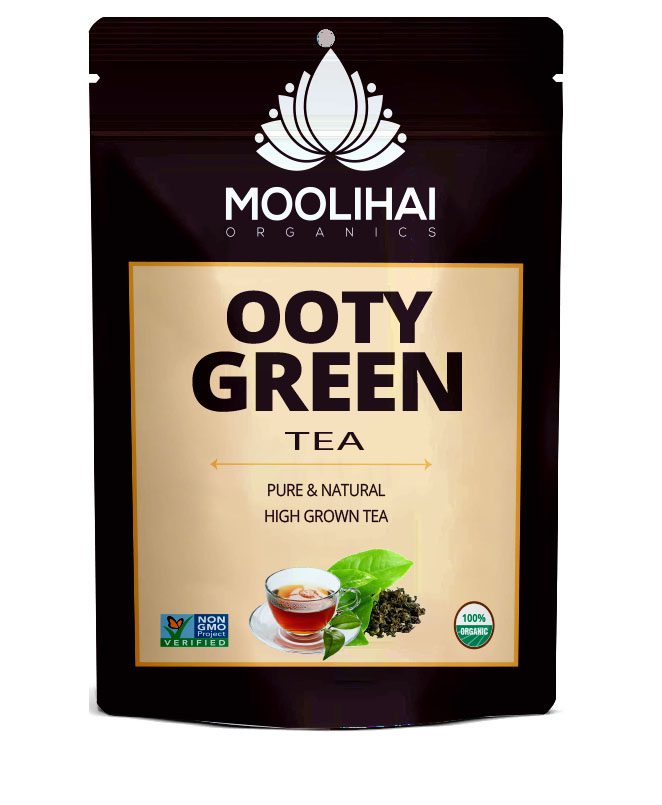
Ooty Green Tea | Nilgiris Special Green Tea – Long Leaf 250g (8.8 oz)
14.99$
Weight: 250g (8.8 oz)
Origin: India
Ooty green tea helps to improve your immune system and cure a cold, cough, digestion. It brings you freshness and improves brain function
Camellia Sinensis · Nilgiris Long Leaf Green Tea · Single-Origin Ooty · 250 g (8.8 oz)
Grown at 7,000 Feet in the Nilgiris — India’s Finest Mountain Green Tea, Whole Long Leaf
This is not the dusty green tea powder you find in supermarket tea bags. This is whole long-leaf green tea from the Nilgiris — the “Blue Mountains” of Tamil Nadu — where tea has been cultivated at 2,000+ metres elevation since the 1800s. The altitude, cool mist, and volcanic red soil of Ooty produce a green tea with a flavour profile that’s distinctly different from Chinese, Japanese, or lowland Indian teas: lighter, smoother, naturally sweet, with a gentle floral character and none of the harsh bitterness that puts most people off green tea. The long-leaf format matters — whole leaves unfurl slowly during steeping, releasing their flavour gradually and evenly, producing a cleaner, more nuanced cup than crushed or powdered alternatives. Rich in catechins, L-theanine, and polyphenols. One bag makes 80–100 cups of mountain green tea.
Single-Origin Nilgiris
Whole Long Leaf · No Dust
High-Altitude Grown
Ships via DHL / UPS / FedEx
Why Nilgiris Green Tea Tastes Unlike Anything Else
Altitude, mist, and volcanic soil — the three things that make Ooty tea unmistakable.
The Nilgiris — India’s Blue Mountains
The Nilgiri Hills (நீலகிரி / “Blue Mountains”) in Tamil Nadu rise to over 2,600 metres, creating one of the most unique tea-growing terroirs in the world. Ooty (Udhagamandalam), the hill station at the heart of the Nilgiris, has been a centre of tea cultivation since British planters established the first estates in the 1830s. The combination of high altitude (2,000+ metres), year-round cool temperatures (10–25°C), frequent mountain mist that bathes the plants in moisture, and the distinctive red volcanic soil produces tea leaves with a character found nowhere else in India. Nilgiris tea is internationally recognised as one of India’s three premier tea regions alongside Darjeeling and Assam — but where Darjeeling is delicate and Assam is robust, Nilgiris strikes a unique balance: smooth, clean, naturally sweet, with a gentle floral brightness.
Long Leaf — Why Size Matters in Tea
Most commercial green tea — especially tea bags — uses CTC (Crush, Tear, Curl) processing or fannings and dust: tiny broken leaf fragments that steep quickly but produce a harsh, bitter, one-dimensional cup. This is whole long-leaf green tea — the leaves are minimally processed, retaining their natural length and cellular structure. When you steep long leaves, they unfurl slowly in the hot water, releasing their flavour compounds gradually and evenly. The result is a smoother, more complex, less bitter cup with more aromatic nuance. Long-leaf tea also allows for multiple steepings — you can brew the same leaves 2–3 times, with each cup revealing slightly different flavour notes. At 250g of long leaf, this bag delivers approximately 80–100 cups of premium green tea — far more than what you’d get from an equivalent weight of tea bags.
What a Daily Cup of Green Tea Does for Your Body
Immune System Support
Green tea is one of the richest natural sources of catechins — a class of polyphenol antioxidants that have been extensively studied for their immune-boosting properties. EGCG (epigallocatechin gallate), the most potent catechin in green tea, has demonstrated antiviral and antibacterial activity in research settings. Regular green tea consumption may help strengthen your body’s first-line immune defences, reduce the severity of colds and flu, and shorten recovery time. The product page specifically notes that Ooty green tea helps “improve your immune system and cure a cold, cough, digestion.”
Brain Function & Focus
Green tea contains a unique combination of caffeine and L-theanine — an amino acid that crosses the blood-brain barrier and promotes calm, focused alertness without the jitters. Caffeine provides stimulation; L-theanine smooths out the edge and prevents the anxiety spike. Together, they create a state of “relaxed focus” that coffee simply cannot replicate. Research has shown that this combination improves reaction time, memory, and cognitive performance. Long-term green tea consumption has also been associated with reduced risk of neurodegenerative conditions like Alzheimer’s and Parkinson’s disease — the polyphenols may help protect brain cells from oxidative damage.
Weight Management & Metabolism
Green tea is one of the most well-studied natural metabolism boosters. The catechins (particularly EGCG) and caffeine work synergistically to increase metabolic rate and fat oxidation — meaning your body burns more calories and uses more stored fat for energy. Multiple clinical trials have shown that green tea extract supplementation leads to modest but measurable reductions in body fat, particularly visceral (belly) fat. Drinking 2–3 cups of green tea daily is one of the simplest, most evidence-backed dietary additions for people working on weight management. The effect is enhanced when combined with regular physical activity.
Heart & Cardiovascular Health
Regular green tea consumption has been associated with reduced risk of cardiovascular disease in large population studies. The catechins help reduce LDL cholesterol oxidation (a key step in arterial plaque formation), improve blood vessel function through nitric oxide production, and support healthy blood pressure levels. Some studies suggest that people who drink 3+ cups of green tea daily have a significantly lower risk of heart attack and stroke compared to non-drinkers. The flavonoids in green tea also have mild blood-thinning properties that may improve circulation.
Antibacterial & Oral Health
The catechins in green tea have potent antibacterial action — particularly against Streptococcus mutans, the primary bacteria responsible for dental cavities and tooth decay. Regular green tea consumption may help reduce bacterial growth in the mouth, lower the risk of cavities, improve gum health, and reduce bad breath. Some studies suggest green tea is more effective than commercial mouthwashes at reducing oral bacteria counts. This makes your daily cup of green tea a passive dental health supplement — you’re improving your oral microbiome with every sip.
Antioxidant Protection
Green tea ranks among the highest antioxidant-containing beverages on earth. The polyphenols — primarily catechins and flavonoids — neutralise free radicals, reduce oxidative stress, and help protect cells from the DNA damage that contributes to premature ageing and chronic disease. Because green tea leaves are minimally oxidised during processing (unlike black tea, which is fully oxidised), they retain a much higher concentration of these delicate antioxidant compounds. Long-leaf green tea, with its gentler processing, preserves even more of these beneficial molecules than CTC-processed alternatives.
Digestive Health
Green tea has been used as a digestive aid across Asian cultures for centuries. The catechins support healthy gut bacteria, reduce intestinal inflammation, and may help ease symptoms of digestive discomfort, bloating, and irregularity. The gentle caffeine content stimulates gastric motility — helping food move through the digestive system more efficiently. Drinking a cup of green tea after meals is a traditional practice in Japanese, Chinese, and South Indian cultures specifically because it aids digestion and prevents the heavy, sluggish feeling after eating.
Skin Health & Anti-Ageing
The antioxidants in green tea — particularly EGCG — have been shown to protect skin cells from UV damage, reduce inflammation, and support collagen production. Regular consumption may help slow visible signs of skin ageing, improve skin elasticity, and reduce the frequency and severity of acne breakouts (thanks to the antibacterial and anti-inflammatory properties). You can also use cooled green tea topically as a facial toner or compress — the polyphenols deliver antioxidant protection directly to the skin surface. For an enhanced skincare ritual, brew your Ooty green tea, use it as a morning face rinse, then apply Moolihai’s Moringa Oil as a moisturiser.
Four Ways to Enjoy Ooty Green Tea
Classic Hot Green Tea (Best Method)
Add 1 teaspoon of long-leaf green tea to a cup or teapot. Pour 250ml of hot water — critically, not boiling. The ideal temperature is 75–80°C (170–175°F). Boiling water scorches green tea leaves and releases excessive tannins, creating bitterness. If you’ve just boiled your kettle, let it sit for 2–3 minutes before pouring. Steep for 2–3 minutes for a light, delicate cup, or 3–4 minutes for a stronger brew. Do not squeeze or press the leaves. Drink plain to appreciate the natural flavour, or add a squeeze of lemon and a drizzle of Moolihai’s Marthandam Honey. The long leaves can be re-steeped 2–3 times — each subsequent cup will be lighter and reveal different flavour notes.
Cold Brew Iced Green Tea
For a smooth, naturally sweet iced tea with zero bitterness, cold brewing is unbeatable. Add 2–3 teaspoons of long-leaf green tea to a jar or bottle of cold water (500ml–1 litre). Place in the refrigerator overnight (8–12 hours). The cold extraction pulls out the sweet, floral flavour compounds while leaving behind most of the bitter tannins — producing the smoothest possible green tea. Strain in the morning and drink throughout the day. Add lemon slices, fresh mint, or a splash of Moolihai’s Ginger Infused Honey for a refreshing summer drink. Cold-brewed green tea retains all the catechins and L-theanine of hot-brewed tea.
Green Tea Latte
Brew a strong cup of Ooty green tea (2 teaspoons, 150ml water, steep 4 minutes). While steeping, heat and froth 100ml of milk (dairy, oat, or almond all work beautifully). Strain the tea into your cup, add the frothed milk, and sweeten with honey if desired. The result is a creamy, mellow, naturally green-tinted latte that delivers green tea’s health benefits in a format that coffee drinkers will love. For a matcha-style presentation, brew the tea extra strong and pour the frothed milk over the top for a layered effect. This pairs beautifully with Moolihai’s Sukku Karupatti (dry ginger palm jaggery) as a natural sweetener with digestive benefits.
Blended with Moolihai Herbal Teas
Ooty Green Tea makes an excellent base for custom blends with Moolihai’s herbal tea range. Mix with Moolihai’s Moringa Tulsi Green Tea for a double green tea with adaptogenic tulsi support. Combine with Moolihai’s Lemon Ginger Green Tea bags for an extra citrus-ginger punch. Brew alongside dried moringa leaves (Moolihai’s Moringa Whole Leaves) for a nutrient-dense superfood tea. Or create your own masala green tea by adding a pinch of cardamom, a thin slice of ginger, and a few drops of lemon — a South Indian twist on the classic green tea that adds warming spice notes to the Nilgiris floral character.
At a Glance
Net Weight
250 g (8.8 oz)
Leaf Type
Whole Long Leaf — Not CTC, Not Dust
Origin
Nilgiris (Ooty), Tamil Nadu, India
Altitude
2,000+ Metres — High-Altitude Grown
Purity
100% Green Tea · No Additives · No Flavourings
Key Compounds
Catechins (EGCG) · L-Theanine · Polyphenols · Flavonoids
Yield
~80–100 Cups Per 250g Pack
Re-Steepable
Each Serving Can Be Brewed 2–3 Times
From the Nilgiris to Your Teacup
United States
5–7 business days via DHL/UPS Express
United Kingdom
5–7 business days via DHL/UPS Express
Canada
5–7 business days via DHL/UPS Express
Frequently Asked Questions
Moolihai offers a wide range of teas, and this one is unique in an important way: it’s pure, single-origin green tea with nothing added. Moolihai’s other teas — Moringa Tulsi Green Tea, Lemon Ginger Green Tea, Amla Ginger Green Tea, Ginger Mint Green Tea — are all blended teas that combine a green tea base with additional herbs, spices, or botanicals. The Hibiscus Rose, Pure Mint, and Turmeric Ashwagandha teas are caffeine-free herbal infusions with no Camellia sinensis at all. This Ooty Green Tea is the real thing — 100% Camellia sinensis long leaf from the Nilgiris, no blending, no flavourings, no herbal additions. Think of it as the foundation: the purest expression of Indian green tea. If you want to taste what Nilgiris green tea actually tastes like on its own, this is the product. If you prefer flavoured or functional blends, Moolihai’s blended teas are excellent. Many customers buy both — this for a pure morning cup and the blended teas for variety throughout the day.
A typical cup of green tea contains approximately 25–50mg of caffeine — roughly one-third to one-half the caffeine of a cup of coffee (95–200mg). The exact amount depends on steeping time and water temperature: longer steeps and hotter water extract more caffeine. The caffeine in green tea is released more gradually than coffee’s, and it’s modulated by L-theanine — an amino acid unique to tea that promotes calm focus without the anxiety spike. Most people can drink 2–4 cups of green tea daily without any issues. If you’re caffeine-sensitive, brew with slightly cooler water and shorter steep times (2 minutes instead of 4) to reduce caffeine extraction. Avoid drinking green tea late in the evening if you have trouble sleeping — the last cup should ideally be 4–6 hours before bedtime. For a completely caffeine-free option, Moolihai’s Hibiscus Rose Herbal Tea and Pure Mint Herbal Tea are excellent alternatives.
Almost certainly one of two things: water too hot, or steeping too long. These are the two most common mistakes that ruin green tea. Water temperature: Never pour boiling water (100°C) directly onto green tea. Boiling water scorches the delicate leaves and releases excessive tannins — the compounds responsible for bitterness. The ideal temperature for green tea is 75–80°C (170–175°F). After your kettle boils, wait 2–3 minutes before pouring. Steeping time: Green tea should steep for 2–4 minutes maximum. Beyond that, tannin extraction increases rapidly and the cup becomes bitter. Start with 2 minutes and increase by 30 seconds each time until you find your preferred strength. Leaf quantity: Use 1 teaspoon per cup. More leaves = more concentrated (and potentially more bitter) brew. If you follow these three rules — cooler water, shorter steep, right quantity — this long-leaf Nilgiris tea will brew smooth, sweet, and completely bitterness-free.
You can — and the product page specifically notes this option. However, there’s some nuance. Milk proteins (casein) can bind to the catechins in green tea, potentially reducing their antioxidant bioavailability. If you’re drinking green tea primarily for health benefits, drinking it plain or with lemon (which actually enhances catechin absorption) is optimal. If you’re drinking it for taste and enjoyment, a splash of milk creates a smoother, creamier cup — and you’ll still get significant health benefits. Plant milks (oat, almond, coconut) don’t have the same casein binding effect and are a good middle ground. For a milk-based option with full health benefits, try the green tea latte method described above — the smaller milk proportion and stronger brew concentration preserve more of the active compounds.
Green tea contains caffeine, so moderate consumption is key during pregnancy. Most healthcare providers advise pregnant women to keep total daily caffeine intake below 200mg. Since a cup of green tea contains approximately 25–50mg of caffeine, 1–2 cups per day is generally considered safe by most guidelines — but always confirm with your obstetrician or midwife, as individual circumstances vary. Be aware that green tea may reduce folic acid absorption — a nutrient critical during pregnancy for preventing neural tube defects. If you’re taking prenatal vitamins containing folic acid, avoid drinking green tea within an hour of taking the supplement. During breastfeeding, caffeine from green tea can pass into breast milk in small amounts — moderate consumption (1–2 cups) is typically considered safe, but monitor your infant for irritability or sleep disruption.
Green tea is more delicate than black tea and degrades faster when exposed to air, light, moisture, and heat. Store in an airtight container (reseal the bag tightly or transfer to a tin or glass jar with a tight lid) in a cool, dark, dry place. Do not store near strong-smelling foods — tea absorbs odours readily. Do not refrigerate or freeze — the condensation when opening the container in a warm room introduces moisture that degrades the leaves. Properly stored, this long-leaf green tea retains its optimal flavour and potency for 6–12 months. You’ll know the tea is past its best when the aroma fades, the colour of the brewed cup becomes very pale, or the flavour turns flat and lifeless. At 250g with 1 teaspoon per cup, the pack provides roughly 80–100 cups — if you drink 1–2 cups daily, that’s approximately 2–3 months of supply, well within the optimal freshness window.
Disclaimer: These statements have not been evaluated by the Food and Drug Administration (FDA) or the Indian Medical Association. This product is not intended to diagnose, treat, cure, or prevent any disease. Green tea contains caffeine — consult your healthcare provider if you are pregnant, breastfeeding, caffeine-sensitive, or taking medications (particularly blood thinners, blood pressure medication, or stimulant drugs). May reduce folic acid absorption — separate from prenatal supplements by at least one hour. Individual results may vary.
| Weight | .05 kg |
|---|
Be the first to review “Ooty Green Tea | Nilgiris Special Green Tea – Long Leaf 250g (8.8 oz)”
You must be logged in to post a review.
Related products



Reviews
There are no reviews yet.