
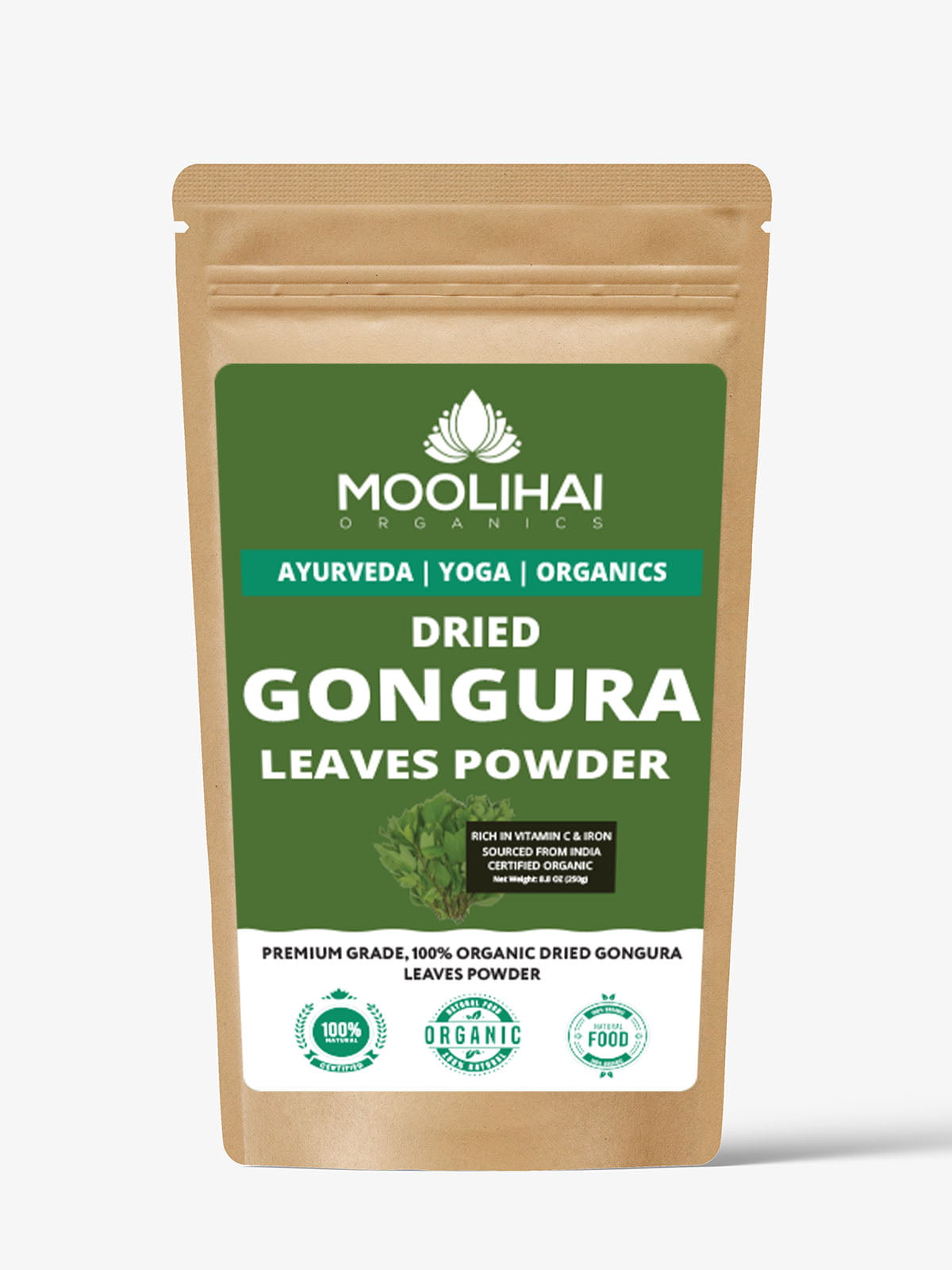
Gongura Leaves Powder | Pulicha Keerai | Sorrel | Kenaf Leaves Powder | Hibiscus Sabdariffa
14.99$
100 grams premium Gongura Leaves Powder.
Botanical Name: Hibiscus sabdariffa Origin: India Condition: Powder
- Sorrel leaves improve the immune system.
- The fiber content aids to increase bowel movements.
Out of stock
Shipping All Over The World
We've upgraded our shipping! All orders now arrive within 7 days to the USA, UK, and Canada via UPS Express and DHL Express.
Quality Guarantee
Our Products are 99.9% Pure and Stocks are fresh. They pass through multiple quality checks before they are delivered to you.
Lowest Prices & Wholesale Orders
We offer the lowest prices for organic products. If you would like to buy in bulk, get in touch with us.
Secure Payments
Pay Securely using paypal, stripe and other secure payment providers.
Hibiscus Sabdariffa · Gongura / Pulicha Keerai / Sorrel Leaves Powder · 100 g (3.5 oz)
Andhra Pradesh’s Most Beloved Leaf — Tangy, Iron-Rich, and Impossible to Find Outside India
If you’re from Andhra Pradesh or Telangana, gongura needs no introduction — it’s the leaf that defines your cuisine. The tangy, sour, slightly acrid flavour of gongura (గొంగూర) is the backbone of gongura pachadi, gongura mutton, gongura chicken, gongura dal, and dozens of other dishes that no other ingredient can replicate. If you’re Tamil, you know it as Pulicha Keerai (புளிச்ச கீரை) — the “sour leaf.” For everyone else: imagine a leaf with the tanginess of tamarind, the iron content of spinach, and a flavour profile entirely its own. The problem? Fresh gongura is nearly impossible to find outside India. This powder solves that — dried and ground from premium gongura leaves, it delivers the authentic tangy flavour and full nutritional profile in a shelf-stable form you can cook with year-round, anywhere in the world. For the Telugu and Tamil diaspora, this is the taste of home.
Premium Quality
100% Natural · No Chemicals
Naturally Harvested & Dried
Ships via DHL / UPS / FedEx
What Is Gongura?
India’s tangiest cooking leaf — a culinary icon in Andhra and Telangana, a nutritional powerhouse everywhere.
The Sour Leaf That Defines a Cuisine
Gongura (Hibiscus sabdariffa) is a dense, shrub-like plant that grows 2–3 metres tall, with reddish-purple stems and broad, flat, dark green leaves. It belongs to the same genus as hibiscus — the famous flower used in teas and hair care — but gongura is cultivated specifically for its intensely tangy leaves, not its flowers. The leaves come in two varieties: green-stemmed (milder tanginess) and red-stemmed (significantly more sour and acrid). The red-stemmed variety is the one prized in Andhra cooking for its assertive, mouth-puckering sourness. In Telugu cuisine, gongura occupies the same foundational role that tamarind does in Tamil cooking or tomatoes in Western cuisine — it’s the primary souring agent that defines the flavour identity of an entire regional food culture. No gongura, no authentic Andhra pachadi, no proper gongura mutton, no real gongura pappu.
More Than Just Flavour — Serious Nutrition
Gongura leaves aren’t just a flavouring ingredient — they’re nutritionally dense. They’re an excellent source of iron (particularly valuable for women and vegetarians), Vitamin C (which enhances iron absorption — a rare and beneficial natural pairing), folic acid (essential for prenatal health and DNA synthesis), calcium, magnesium, phosphorus, and dietary fibre. The antioxidant profile includes anthocyanins (the same compounds found in blueberries and red wine), flavonoids, and phenolic acids. The Vitamin C and iron combination is especially noteworthy — most plant-based iron sources have low bioavailability, but gongura’s own Vitamin C content acts as a natural absorption enhancer, making the iron significantly more bioavailable than iron from other leafy greens.
Why Gongura Deserves a Place in Every Kitchen
Iron & Anaemia Prevention
Gongura is one of the richest plant sources of iron among Indian leafy greens. Iron deficiency anaemia is the most common nutritional deficiency worldwide — affecting an estimated 30% of the global population, with women, vegetarians, and children at highest risk. What makes gongura special is the simultaneous presence of Vitamin C, which can increase non-heme iron absorption by 2–6x compared to consuming iron alone. This built-in iron-plus-enhancer combination makes gongura one of the most efficient plant-based iron delivery systems available. Regular inclusion of gongura in your diet may help maintain healthy haemoglobin levels and prevent iron-deficiency fatigue.
Immune System Support
The high Vitamin C (ascorbic acid) content in gongura plays a significant role in immune function. Vitamin C supports the production and function of white blood cells — the immune system’s first responders against infection. It also acts as a potent antioxidant, protecting immune cells from free radical damage that can impair their function. Regular dietary intake of Vitamin C-rich foods like gongura may help reduce the duration and severity of common colds and support overall immune resilience. This is particularly relevant during monsoon and winter seasons when respiratory infections peak.
Folic Acid & Women’s Health
Gongura is a natural source of folic acid (Vitamin B9) — one of the most critical nutrients for women of reproductive age. Folic acid is essential for preventing neural tube defects during early pregnancy, supporting healthy cell division, and aiding in DNA synthesis. Beyond pregnancy, folic acid plays a role in reducing homocysteine levels — an amino acid that, when elevated, is associated with increased cardiovascular and renal disease risk. The product page specifically notes that gongura “cures the pain during menstruation and prevents heavy bleeding” — the iron and folic acid content support menstrual health by replenishing nutrients lost during the cycle.
Bone Health
Gongura provides a combination of calcium, magnesium, and phosphorus — the three minerals most critical for maintaining bone density and strength. Calcium provides the structural matrix, magnesium helps the body absorb and utilise calcium efficiently, and phosphorus works alongside calcium in bone formation. Regular consumption of mineral-rich leafy greens like gongura may help prevent bone loss and reduce the risk of osteoporosis, particularly in postmenopausal women and elderly individuals. The Vitamin C content further supports bone health by promoting collagen synthesis — the protein framework that gives bones their flexibility and resilience.
Heart & Homocysteine
Elevated homocysteine levels in the blood are an independent risk factor for cardiovascular disease, stroke, and kidney disease. Gongura contains both folate (Vitamin B9) and Vitamin B6 — two of the three B-vitamins responsible for metabolising and clearing homocysteine from the bloodstream. Regular dietary intake of folate and B6-rich foods is associated with lower homocysteine levels and reduced cardiovascular risk. The antioxidant compounds in gongura further support heart health by reducing LDL cholesterol oxidation and protecting blood vessel walls from inflammatory damage.
Digestive Health & Fibre
Gongura leaves are a good source of dietary fibre — the indigestible plant material that feeds beneficial gut bacteria, promotes regular bowel movements, helps control blood sugar spikes after meals, and contributes to a feeling of fullness that supports healthy weight management. The tangy, sour flavour of gongura also stimulates digestive secretions — gastric acid, bile, and digestive enzymes — which improve the breakdown and absorption of food. In traditional South Indian households, sour chutneys and pachadis (like gongura pachadi) are served specifically to stimulate appetite and aid digestion.
Antioxidant Protection
Gongura leaves contain anthocyanins, flavonoids, phenolic acids, and Vitamin C — a broad-spectrum antioxidant arsenal that helps neutralise free radicals and reduce oxidative stress at the cellular level. The anthocyanins (particularly abundant in red-stemmed gongura) are the same class of compounds that give blueberries, red cabbage, and red wine their colour and their reputation as antioxidant powerhouses. Regular consumption of antioxidant-rich foods is associated with slower cellular ageing, reduced chronic inflammation, and lower risk of chronic diseases including cardiovascular disease and certain cancers.
Blood Sugar & Weight Management
The fibre content in gongura helps slow the absorption of sugars into the bloodstream, reducing post-meal blood sugar spikes — particularly beneficial for people managing diabetes or pre-diabetes. The fibre also promotes satiety, helping you feel full longer and reducing the tendency to overeat. Combined with the low calorie content typical of leafy green powders, gongura is a weight-management-friendly ingredient that adds intense flavour, nutrition, and fibre to meals without adding significant calories. Incorporating gongura into dals, curries, and chutneys is a way to make everyday meals more nutritious and more satisfying simultaneously.
Five Ways to Cook with Gongura Powder
Gongura Pachadi / Chutney (The Classic)
The most iconic use — and the dish every Andhra household knows by heart. Rehydrate 2–3 tablespoons of gongura powder in warm water for 10 minutes. Make a tempering (tadka) of mustard seeds, dried red chillies, fenugreek seeds, garlic, and curry leaves in sesame oil. Add the rehydrated gongura, salt, and a pinch of turmeric. Cook for 5–7 minutes until the mixture thickens into a tangy, spicy paste. Serve as a side with rice and ghee — Moolihai’s Cow Ghee is the perfect pairing. This pachadi is the Andhra equivalent of sambar in Tamil Nadu — no meal is complete without it. Adjust chilli quantity to taste.
Gongura Dal / Pappu
Cook toor dal (split pigeon peas) until soft. In a separate pan, make a tempering with mustard seeds, cumin, dried red chillies, garlic, and curry leaves. Add 1–2 tablespoons of gongura powder, sauté for 2 minutes until the tanginess intensifies, then add the cooked dal. Simmer together for 5 minutes, season with salt and turmeric. The gongura transforms ordinary dal into something extraordinary — sour, spicy, and deeply savoury. Serve with steamed rice and a dollop of ghee. This is comfort food for the Telugu diaspora and a revelation for anyone trying it for the first time.
Gongura Chicken / Mutton (Restaurant Favourite)
Gongura chicken and gongura mutton are signature dishes of Andhra restaurants worldwide. Marinate meat pieces with ginger-garlic paste, turmeric, and chilli powder. Cook until nearly done. Add 2–3 tablespoons of gongura powder (or rehydrate in water first for a smoother sauce), along with onion-tomato base and tempering spices. The gongura’s tanginess cuts through the richness of the meat, creating a uniquely balanced, addictive curry. The sour-spicy-savoury combination is what makes Andhra non-vegetarian cooking distinct from every other Indian regional cuisine. Serve with biryani rice or fresh rotis.
Souring Agent in Any Curry
Think of gongura powder as a versatile souring ingredient — like tamarind or lemon juice, but with its own unique flavour dimension. Add 1–2 teaspoons to any curry, sambhar, rasam, or stew where you want tangy depth. It works particularly well in fish curries (gongura meen kulambu), prawn dishes, and vegetable stews. Unlike tamarind which adds sweet-sour notes, gongura adds a sharper, more herbaceous sourness with leafy undertones. For Tamil-style cooking, use it as an alternative souring agent in rasam or kootu for variety. It also works in fusion applications — add to tomato soup, chilli, or even stir-fry sauces for an unexpected tangy kick.
Gongura Rice & Quick Meals
For the fastest gongura meal possible: make a quick tempering (oil, mustard seeds, dried chillies, curry leaves, groundnuts), add 2 tablespoons of gongura powder, sauté for 2 minutes, then toss with cooked rice and salt. Gongura rice takes 10 minutes and tastes like a complete, satisfying meal. Pack it for lunch — the tanginess keeps the rice interesting even when cold. You can also stir gongura powder into yoghurt for an instant tangy raita, sprinkle it over dosa batter before cooking for gongura dosa, or mix into idli/dosa chutney for added sourness and nutrition.
Gongura Across India
Telugu
గొంగూర (Gongura)
Tamil
புளிச்ச கீரை (Pulicha Keerai)
Hindi
पिटवा (Pitwaa)
Malayalam
മത്തിപ്പുളി (Mathippuli) / പുളിവെണ്ട (Pulivenda)
Marathi
अंबाडी (Ambaadi)
English
Sorrel Leaves, Kenaf Leaves, Roselle
Botanical
Hibiscus sabdariffa (Family: Malvaceae)
Varieties
Green-Stemmed (milder) · Red-Stemmed (sourer)
At a Glance
Net Weight
100 g (3.5 oz)
Form
Dried & Ground Leaf Powder
Origin
India
Processing
Naturally Harvested · Sun-Dried · No Chemical Interaction
Key Nutrients
Iron · Vitamin C · Folic Acid · Calcium · Fibre · Antioxidants
Primary Use
Culinary — Chutneys, Dals, Curries, Rice, Souring Agent
Free From
No Additives · No Preservatives · No Artificial Colours
Taste
Tangy · Sour · Mildly Acrid — Intensifies When Heated
From India to Your Kitchen
United States
5–7 business days via DHL/UPS Express
United Kingdom
5–7 business days via DHL/UPS Express
Canada
5–7 business days via DHL/UPS Express
Frequently Asked Questions
Same genus, completely different products. Gongura (Hibiscus sabdariffa) belongs to the Hibiscus family, but it’s cultivated specifically for its tangy edible leaves — not for its flowers. The leaves have a sour, acrid flavour used as a souring agent in South Indian cooking. Moolihai’s Hibiscus Rose Herbal Tea uses dried hibiscus flowers (from a different Hibiscus species, typically H. rosa-sinensis) combined with rose petals — it’s a caffeine-free herbal infusion with a tart, cranberry-like flavour, used as a refreshing drink. In short: gongura powder goes into your curries, dals, and chutneys as a cooking ingredient. Hibiscus Rose Tea goes into your teacup as a beverage. They’re from related plants but serve entirely different culinary purposes. Both are excellent — but they’re not interchangeable.
Fresh gongura leaves are wonderful if you can get them — but outside India, they’re virtually impossible to find. Even within India, fresh gongura is seasonal and region-specific. The powder offers the same tangy flavour profile (concentrated, so you need less than fresh leaves), retains the key nutritional compounds (iron, Vitamin C, folic acid, fibre), and stores for months at room temperature. The texture is obviously different — you won’t get the soft, wilted leaf pieces that fresh gongura provides in dishes like pachadi. For recipes where you want leaf texture (like gongura pachadi), rehydrate the powder in warm water for 10 minutes before cooking — it won’t be identical to fresh, but it gets remarkably close. For applications where the powder dissolves into the dish anyway (dal, curry, rice), the powder actually integrates more evenly than chopped fresh leaves.
Start with gongura rice — it takes 10 minutes and requires minimal skill. Cook rice as usual. In a small pan, heat 2 tablespoons of sesame oil (or any cooking oil). Add ½ teaspoon mustard seeds (let them pop), 2–3 dried red chillies, a pinch of asafoetida (hing), and 8–10 curry leaves. Add 2 tablespoons of gongura powder and sauté for 2 minutes. Add salt to taste. Toss with the cooked rice until evenly mixed. Done. The result is a tangy, aromatic, satisfying one-dish meal. Once you’ve tried that and understand the flavour, move on to gongura pachadi (chutney) and gongura dal. From there, you’ll start experimenting — adding gongura powder to everything from omelettes to pasta sauces. The tanginess is genuinely addictive.
Gongura is a food item — leafy greens consumed as part of a regular diet. In moderate culinary quantities (as part of normal meals), it’s generally considered safe during pregnancy and may even be beneficial due to its iron and folic acid content — two nutrients particularly important during pregnancy. However, the product page advises consulting a medical professional about usage during pregnancy, which is a sensible precaution for any herbal product. Do not consume in excessive quantities (beyond normal food portions), as the oxalic acid content in sorrel-type leaves may interfere with calcium absorption if consumed in very large amounts. Stick to normal recipe quantities and enjoy it as part of a balanced, varied diet during pregnancy.
Vitamin C is heat-sensitive, so some loss does occur during cooking — this is true of all Vitamin C-rich foods, not just gongura. However, cooking also releases other nutrients and makes certain compounds more bioavailable. The practical approach is: don’t worry about it. Gongura is a cooking ingredient — it’s meant to be cooked. You’ll still retain meaningful amounts of Vitamin C (especially with shorter cooking times), plus you get the full benefit of the iron, folic acid, fibre, and antioxidant compounds which are more heat-stable. If you want maximum Vitamin C retention, add the gongura powder toward the end of cooking rather than at the beginning — even 2–3 minutes of cooking is enough to develop the flavour while preserving more of the heat-sensitive vitamins.
Store in an airtight container in a cool, dry place away from direct sunlight and moisture. Like all dried leaf powders, gongura powder absorbs moisture readily — exposure to humidity will cause clumping and may promote mould growth. Keep the container sealed tightly after each use. Properly stored, the powder retains its tangy flavour and nutritional value for 6–12 months. If the powder loses its characteristic sour aroma, develops an off smell, or shows any signs of mould or discolouration, discard and replace. At 1–3 tablespoons per recipe, the 100g pack provides enough for approximately 10–30 dishes — lasting 1–3 months depending on cooking frequency. If you use gongura regularly, consider the bulk option for better value.
Disclaimer: This is a food-grade culinary ingredient. These statements have not been evaluated by the Food and Drug Administration (FDA) or the Indian Medical Association. This product is not intended to diagnose, treat, cure, or prevent any disease. Gongura contains oxalic acid — individuals with kidney stones, gout, or oxalate-related conditions should consult their healthcare provider before regular consumption. If you are pregnant, breastfeeding, or taking medications, consult your healthcare provider regarding dietary suitability. Individual results may vary. Store in a cool, dry place.
| Weight | .1 kg |
|---|
Be the first to review “Gongura Leaves Powder | Pulicha Keerai | Sorrel | Kenaf Leaves Powder | Hibiscus Sabdariffa”
You must be logged in to post a review.
Related products



Reviews
There are no reviews yet.