
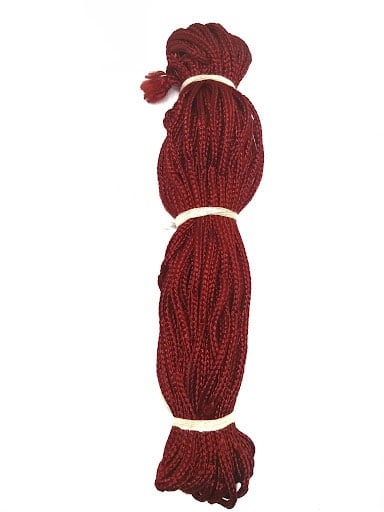
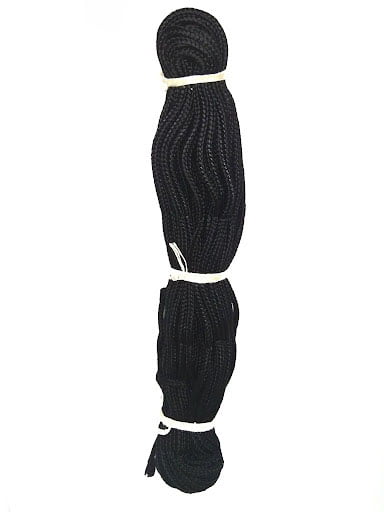
Araignaan Kayiru (Arana Kayiru) For Babies -50 gms
6.00$
Weight: 50 gms
Araignaan kayiru is a traditional Tamil rope that is tied around kid’s waist for its health benefits. It prevents Hernia in men too.
Shipping All Over The World
We've upgraded our shipping! All orders now arrive within 7 days to the USA, UK, and Canada via UPS Express and DHL Express.
Quality Guarantee
Our Products are 99.9% Pure and Stocks are fresh. They pass through multiple quality checks before they are delivered to you.
Lowest Prices & Wholesale Orders
We offer the lowest prices for organic products. If you would like to buy in bulk, get in touch with us.
Secure Payments
Pay Securely using paypal, stripe and other secure payment providers.
Traditional Tamil Waist Cord · For Babies & Children · 50g · Black or Red
A Centuries-Old Tamil Tradition for Your Baby — The Araignaan Kayiru Waist Cord
In Tamil households, tying an Araignaan Kayiru around a baby’s waist is one of the oldest and most cherished childcare traditions. The word itself tells the story: “Arai” means the waist region (head to hip) and “Gaan” (kayiru) means cord. This simple rope has been tied around the waists of Tamil babies for generations — believed in Siddha tradition to support healthy abdominal development, prevent umbilical hernias, and provide gentle abdominal support during the early months when a baby’s core muscles are still forming. Also traditionally used by men for hernia prevention. Available in black or red. $6.00.
Centuries-Old Tamil Tradition
For Babies & Men
Black or Red
Ships via DHL / UPS
What Is an Araignaan Kayiru?
If you grew up in a Tamil household, you know what this is — your grandmother tied one around your waist when you were born. If you’re new to Tamil tradition, here’s what you need to know: the Araignaan Kayiru is a traditional cord tied snugly around a baby’s waist from birth through early childhood. The practice is deeply embedded in Tamil and South Indian culture, rooted in Siddha medicine (the traditional healing system of Tamil Nadu). The cord is believed to provide gentle abdominal support during the critical months when a baby’s abdominal muscles and navel area are still developing. It’s one of the simplest, oldest, and most universal baby care practices in Tamil culture — as routine as swaddling in Western tradition.
What “Araignaan Kayiru” Means
Arai (அரை)
The waist / half-body — from head to hip
Gaan / Kayiru
Cord, rope, or thread that hangs
For Babies
Traditionally tied from birth
For Men
Traditional hernia prevention
Also commonly called “Arana Kayiru” or “Arainaan Kayiru” — different transliterations of the same Tamil word. You may hear Tamil grandmothers refer to it simply as the “arai kayiru” (waist cord). The practice is so embedded in Tamil culture that most Tamil adults remember wearing one as children, even if they didn’t know the formal name.
Why Tamil Families Have Used This for Generations
For Babies — Abdominal Support & Navel Health
Tamil Siddha tradition holds that tying the cord around a newborn’s waist supports the developing abdominal area, particularly the navel region. After the umbilical cord stump falls off, the navel area is vulnerable — the Araignaan Kayiru is believed to provide gentle external support that helps the abdominal wall close properly and reduces the risk of umbilical hernias. Tamil grandmothers have insisted on this practice for generations, and it remains common in Tamil households worldwide. The cord is tied snugly but not tightly — enough to stay in place without restricting movement or breathing.
For Growing Children — Continued Abdominal Support
Many Tamil families continue tying the Araignaan Kayiru through early childhood (until age 3–5), replacing with longer cords as the child grows. The belief is that sustained waist-cord use supports healthy posture development and core strength during the critical years when children are learning to sit, crawl, stand, and walk. The cord becomes a normal part of daily clothing — worn under garments, invisible to others.
For Men — Traditional Hernia Prevention
In Tamil tradition, adult men — particularly those involved in heavy lifting, physical labour, or who are overweight — also wear the Araignaan Kayiru for hernia prevention. Inguinal hernias are approximately 8–10 times more common in men than women, and heavy lifting is a primary risk factor. Traditional Tamil practice recommends wearing the waist cord as a preventive measure. This is why the product listing specifies “for babies” but the tradition extends to adult men as well. The cord is worn around the waist, typically under clothing.
How to Tie the Araignaan Kayiru
For Newborns & Babies
Wait until the umbilical cord stump has fully separated and the navel area has healed (typically 1–3 weeks after birth). Wrap the Araignaan Kayiru around the baby’s waist — snug enough to stay in place but loose enough to fit two of your fingers between the cord and the baby’s skin. Tie a simple double knot or secure knot at the back or side. The cord should sit at the natural waistline (at or just above the navel). Check regularly to ensure it hasn’t become too tight as the baby grows. Replace with a longer cord as needed.
Daily Care
The cord can be worn continuously, 24 hours a day, including during bathing and sleeping. Remove and dry it after bathing if you prefer — or simply let it air-dry on the baby’s body (it dries quickly). Inspect the cord daily for fraying, looseness, or tightness. Replace the cord if it shows signs of significant wear or if the baby has outgrown it. Keep the area under the cord clean and dry. If any skin irritation develops, remove the cord and allow the skin to recover before retying.
For Adult Men
Tie the cord around the waist at the natural waistline. It should be snug but comfortable — you should be able to slide a finger under it easily. Wear under clothing. Traditionally worn during physical labour, heavy lifting, or throughout the day for general hernia prevention. The cord can be worn during exercise, work, and sleep. Replace when the cord shows significant wear.
Choose Your Colour
Black
Traditional & discreet
Red
Auspicious colour in Tamil culture
Both colours are equally functional. Red is traditionally considered auspicious in Tamil and Hindu culture — many families prefer it for newborns. Black is discreet and practical for everyday wear. The choice is personal and cultural — there is no difference in quality or function between the two colours.
What You’re Getting
50g
Single cord
Black or Red
Choose at checkout
India
Origin
Babies & Children
Primary use
Adult Men
Hernia prevention
Traditional Tamil
Siddha heritage
Wear Daily
24/7 use
$6.00
Affordable tradition
Ships Worldwide
USA
5–7 Days
FREE OVER $99
UK
5–7 Days
FREE OVER $99
Canada
5–7 Days
FREE OVER $99
Ships worldwide via DHL/UPS. Shipping info →
Common Questions
The Araignaan Kayiru is a simple cord that has been tied around babies’ waists in Tamil (South Indian) culture for centuries. It’s as common in Tamil baby care as swaddling blankets in Western culture — almost every Tamil baby wears one. The tradition is rooted in Siddha medicine, one of the world’s oldest healing systems, which holds that the cord supports healthy abdominal and navel development in newborns. If you have Tamil in-laws, friends, or family members, they will very likely recognise it immediately. This product is primarily purchased by Tamil diaspora families around the world who want to continue traditional baby care practices far from India.
Wait until the umbilical cord stump has completely fallen off and the navel area has healed — typically 1–3 weeks after birth. Once the navel is fully healed with no signs of redness, discharge, or tenderness, the Araignaan Kayiru can be tied. Many Tamil families begin using it immediately after navel healing. Always ensure the cord is snug but not tight — you should be able to slide two fingers between the cord and the baby’s skin.
When tied correctly (snug but not tight), the Araignaan Kayiru is safe and has been used on millions of babies across generations without incident. The key safety principles: never tie it so tight that it restricts breathing, movement, or circulation. Always check that you can fit two fingers between the cord and the skin. Inspect daily for tightness (babies grow quickly). Remove immediately if you notice skin irritation, redness, or indentation marks. Keep the cord and skin underneath clean and dry. As with any baby care product, monitor your baby’s comfort and consult your paediatrician if you have any concerns.
Traditional practice varies by family. Most commonly, babies wear the Araignaan Kayiru from navel healing (1–3 weeks old) through the first year. Many families continue through toddlerhood (up to age 3–5), replacing with longer cords as the child grows. Some families discontinue when the child begins formal schooling. There’s no strict rule — it’s a family decision based on tradition, comfort, and preference. The cord should be replaced when it shows significant fraying or when the child has outgrown it.
Yes — traditionally, adult men also wear the Araignaan Kayiru, particularly those at higher risk of inguinal hernia. This includes men who do heavy lifting (labourers, gym-goers, warehouse workers), men who are overweight, and men with a family history of hernia. Inguinal hernias are approximately 8–10 times more common in men than women, which is why Tamil tradition specifically recommends the cord for males. The 50g cord in this listing is designed for babies — adult men may need to purchase multiple lengths or contact Moolihai for adult-sized options.
Both colours are functionally identical. Red is traditionally considered auspicious in Tamil and Hindu culture — it’s the colour of Shakti (divine energy) and is associated with protection and good fortune. Many families choose red for newborns for this reason. Black is practical and discreet — it blends in under clothing. Some families follow specific family traditions regarding colour. If your Tamil elders have a preference, follow that. If you’re new to the tradition and unsure, either works perfectly.
*Disclaimer: This is a traditional wellness accessory based on Tamil Siddha tradition. The health benefits described are based on traditional knowledge and cultural practice, not modern clinical trials. This product is not a medical device and is not intended to diagnose, treat, cure, or prevent any disease, including hernia. If your baby or child develops an umbilical hernia or any abdominal concern, consult a qualified paediatrician. Always ensure the cord is not tied too tightly. Supervise infants wearing any cord or accessory. Individual experiences vary.
| Weight | 0.05 kg |
|---|---|
| Color | Black, Red |
Be the first to review “Araignaan Kayiru (Arana Kayiru) For Babies -50 gms”
You must be logged in to post a review.
Related products




Reviews
There are no reviews yet.