

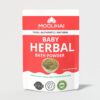
Baby Herbal Bath Powder | 100 % Pure Organic Ingredients
9.99$
The baby herbal bath powders are a famous herbal body wash which is famous all over India. It is prepared using Ayurvedic formulas which are appreciated for its benefits by traditional peoples.
Kuzhanthai Kuliyal Podi · Traditional Ayurvedic Baby Bath Formula
The Soap-Free Herbal Bath That Generations of Indian Mothers Trust for Baby’s Delicate Skin
Every South Indian grandmother knows: soap is too harsh for a baby’s skin. This 18-herb bath powder — anchored by Acacia concinna (Shikakai) and green gram — is the same chemical-free bathing ritual that has protected infant skin across Tamil Nadu for over 2,000 years. Moolihai’s Baby Herbal Bath Powder gently cleanses, moisturizes, and naturally guards against rashes, dryness, and irritation without a single synthetic ingredient. Mixed into a soft paste with water or milk, it transforms bath time into an Ayurvedic wellness ritual your baby will love.
100% Natural
Zero chemicals, zero soap, zero synthetics
18-Herb Formula
Precise Ayurvedic blend for sensitive baby skin
Anti-Rash & Moisturizing
Cleanses without stripping natural skin oils
Ships Worldwide
Free shipping to USA, UK & Canada over $99
Understanding the Tradition
What Is Kuzhanthai Kuliyal Podi (Baby Herbal Bath Powder)?
In Tamil homes, babies are never bathed with commercial soap — at least, not traditionally. Instead, mothers and grandmothers prepare a fine herbal powder blend called Kuzhanthai Kuliyal Podi (குழந்தை குளியல் பொடி), mixing it with warm water, rose water, or raw milk to form a gentle paste. This paste is applied to the baby’s entire body, gently massaged in, and rinsed off — leaving the skin soft, fragrant, and naturally protected.
Unlike soap, which strips the skin’s acid mantle and natural oils, herbal bath powder works with the skin’s biology. The green gram (Phaseolus mungo) base provides mild saponins that lift dirt without drying. Acacia concinna (Shikakai) contributes gentle foaming action. Wild turmeric (Curcuma aromatica) and sandalwood (Santalum album) offer antimicrobial protection. Together, the 18 herbs form a complete bathing system — cleansing, moisturizing, protecting, and lightly fragrancing in a single step.
This is the same formulation used in Seemantham (baby shower) ceremonies and post-birth rituals across South India. Moolihai sources every ingredient from verified organic farms in Tamil Nadu and grinds them fresh in small batches to preserve the volatile essential oils that give this powder its distinctive, calming fragrance.
The Full Formula
18 Ayurvedic Herbs, Each With a Purpose
Every ingredient in this bath powder is selected for a specific role in baby skincare. The formula is built around two base ingredients — green gram and Shikakai — that make up over 60% of the blend, with 16 supporting herbs contributing antimicrobial, moisturizing, and skin-soothing properties.
Phaseolus mungo
Green Gram (Pasipayaru) — the primary base at 40% of the formula. Rich in natural saponins that gently cleanse without stripping oils. Provides protein and vitamins that nourish baby skin on contact.
Acacia concinna
Shikakai — the second major base at 20%. A legendary Ayurvedic cleanser with mild, pH-balanced foaming action. Has been used for centuries as a natural soap alternative for hair and skin.
Curcuma aromatica
Wild Turmeric (Kasturi Manjal) — unlike culinary turmeric, this variety doesn’t stain. Prized in Siddha medicine for its powerful antimicrobial and skin-brightening properties.
Santalum album
Sandalwood — the most revered skincare herb in Ayurveda. Cools inflamed skin, reduces redness, and leaves a subtle, calming fragrance that soothes babies during and after bath time.
Michelia champaca
Champak Flower (Shenbagam) — a sacred South Indian flower known for its intoxicating fragrance. In Siddha tradition, it’s used to calm irritable skin and provide natural aromatherapy for infants.
Rosa indica
Indian Rose — naturally astringent and anti-inflammatory. Helps tone delicate baby skin, close pores after cleansing, and adds the gentle rose note to the powder’s fragrance profile.
Citrus limon
Lemon Peel — a natural source of citric acid and vitamin C. Gently exfoliates dead skin cells, brightens dull patches, and contributes mild antibacterial action to the formula.
Cassia auriculata
Avaram Senna (Aavaarai) — a cornerstone herb in Siddha medicine for skin disorders. Rich in antioxidants, it helps manage heat rashes and prickly heat common in tropical climates.
The formula also includes Costus speciosus (Koshtam) for anti-inflammatory action, Kaempferia galanga (Kacholam/Aromatic Ginger) for circulation and skin tone, Artemisia vulgaris (Mugwort) for antimicrobial protection, Coleus amboinicus (Karpuravalli) to soothe respiratory congestion during bath steam, Parmelia perlata (Kallu Paasi) for skin purification, Nigella sativa (Black Seed) for immune support, Carum copticum (Ajwain) for its antifungal properties, Cyperus rotundus (Korai Kizhangu) for cooling inflamed skin, Psoralea corylifolia (Babchi) for traditional skin healing, and Sapindus trifoliatus (Soapnut/Poonthikottai) for natural saponin-based cleansing.
Why Parents Choose This
8 Reasons to Switch From Soap to Herbal Bath Powder
Commercial baby soaps — even those marketed as “gentle” or “natural” — contain surfactants, preservatives, and fragrances that compromise your baby’s developing skin barrier. Here’s what makes herbal bath powder fundamentally different.
Soap-Free Cleansing
Green gram and Shikakai provide natural saponins — plant-based compounds that lift dirt and oil without the harsh surfactants (like SLS and SLES) found in commercial baby soaps. These botanical cleansers work at a pH level that matches your baby’s skin, preserving the acid mantle that serves as the first line of immune defense. Your baby comes out clean without that “squeaky” stripped feeling that actually signals skin damage.
Deep Moisture Retention
Unlike soap, which removes the skin’s natural sebum layer, herbal bath powder cleanses while depositing plant-based moisturizing compounds. The green gram proteins form a light protective film that locks in hydration. Sandalwood and rose contribute emollient properties that keep baby skin soft for hours after bathing. Parents consistently report that their babies’ skin feels noticeably softer and less dry compared to soap-bathed days.
Natural Antimicrobial Shield
Wild turmeric (Curcuma aromatica) and Nigella sativa are two of the most clinically studied antimicrobial herbs in Ayurveda. Combined with the antifungal properties of Ajwain (Carum copticum) and the antibacterial action of lemon peel, this formula creates a broad-spectrum antimicrobial shield that protects against common skin infections — diaper rash bacteria, fungal infections, and heat-rash-causing microbes — without any synthetic preservatives.
Heat Rash & Prickly Heat Relief
Babies in warm climates (or during summer months anywhere) are prone to prickly heat and sweat rashes. Cyperus rotundus and Cassia auriculata are two herbs specifically classified in Siddha medicine as thazhichchi marunthugal — cooling agents. They actively reduce skin surface temperature and calm inflammation on contact. Regular use during warmer months can significantly reduce the frequency and severity of heat-related skin irritation.
Gentle Dead Skin Removal
The fine powder texture provides mild physical exfoliation when gently massaged onto the skin. Lemon peel adds light chemical exfoliation through natural citric acid. Together, they remove dead skin cells, cradle cap flakes, and environmental residue that can clog pores and cause irritation. This is far gentler than any loofah or washcloth — the powder particles are fine enough for newborn skin while effective enough for thorough cleansing.
Calming Aromatherapy Effect
Champak flower (Michelia champaca) and sandalwood are two of the most calming natural fragrances known in Ayurveda. The warm, floral-woody scent released when the powder is mixed with warm water creates a natural aromatherapy experience during bath time. Many parents report that their babies are noticeably calmer and sleep better after herbal powder baths compared to soap baths. The fragrance lingers gently on the skin without being overpowering.
Zero Chemical Exposure
No parabens, no sulfates, no phthalates, no synthetic fragrances, no preservatives, no artificial colors. This matters enormously for babies, whose skin absorbs substances at a much higher rate than adult skin. Studies have shown that what goes on a baby’s skin enters the bloodstream — making the purity of bathing products a genuine health concern, not just a marketing talking point. Every ingredient in this formula is a whole, unprocessed plant.
Supports Skin Immune Development
A baby’s skin microbiome — the colony of beneficial bacteria that lives on the skin surface — is still developing in the first few years of life. Harsh soaps destroy this microbiome, while herbal bath powder preserves and supports it. The mild antimicrobial herbs target only pathogenic organisms while allowing beneficial bacteria to thrive. This is the same principle behind the traditional Ayurvedic concept of twak bala — building the skin’s own inherent strength rather than sterilizing it.
Usage Guide
How to Use Baby Herbal Bath Powder
The traditional method is simple — but there are several ways to customize the experience for your baby’s skin type and preferences.
Classic Water Paste Method
Take 2–3 tablespoons of bath powder and mix with a small amount of warm water to form a smooth, lump-free paste (about the consistency of pancake batter). Gently apply the paste all over your baby’s body, massaging in small circular motions. Let it sit for 30–60 seconds, then rinse thoroughly with warm water. This is the traditional daily-use method suitable for newborns onward.
Milk Bath for Extra Moisture
For babies with dry or eczema-prone skin, mix the powder with raw milk or breast milk instead of water. Milk’s lactic acid provides additional gentle exfoliation, while the milk fats create an extra moisturizing layer. This method is especially popular in Tamil Nadu during winter months when baby skin tends to crack and dry out. Pair with Moolihai’s Organic Cow Ghee applied to dry patches after the bath for maximum hydration.
Rose Water Luxury Bath
For a special aromatherapy bathing experience — or when your baby seems fussy or has trouble sleeping — mix the powder with rose water instead of plain water. The rose water amplifies the calming fragrance of the champak and sandalwood already in the formula, creating a deeply soothing bath. This is the traditional method used during Seemantham ceremonies and baby naming celebrations across South India.
Herbal Bath Soak
For older babies (6 months+) who enjoy sitting in a baby tub, dissolve 3–4 tablespoons of bath powder directly into the warm bath water and let your baby soak for 5–10 minutes. The herbs infuse into the water and create a gentle herbal soak that benefits the entire body at once. This method is particularly effective for treating widespread heat rashes or prickly heat during summer months.
Targeted Spot Treatment
For specific skin issues — diaper rash areas, cradle cap, or stubborn dry patches — make a slightly thicker paste (less water) and apply it directly to the affected area. Let it sit for 2–3 minutes before rinsing. The concentrated herbs deliver more antimicrobial and anti-inflammatory action to the problem zone. For persistent cradle cap, use this method daily for a week and you should see noticeable improvement.
Product Details
At a Glance
Weight Options
100 gms (3.5 oz), 450 gms (1 lb), 1 Kg (2.2 lbs)
Form
Fine-ground herbal powder blend
Origin
Tamil Nadu, India — organic farm-sourced
Certification
FSSAI Certified, 100% natural
Primary Ingredients
Green Gram (40%), Shikakai (20%), 16 supporting herbs
Suitable For
Newborns to toddlers (and adults too)
Free From
Soap, SLS, parabens, synthetic fragrance, preservatives
Shelf Life
12 months from manufacturing; store in a cool, dry place
Delivery
Worldwide Express Shipping
Every order ships directly from Tamil Nadu, India via premium carriers. Typical delivery takes 5–7 business days.
United States
5–7 business days via DHL/UPS Express
United Kingdom
5–7 business days via DHL/FedEx Express
Canada
5–7 business days via UPS/DHL Express
Common Questions
Frequently Asked Questions
Yes, this formula is traditionally used from the very first bath — which in Tamil culture happens on the 11th or 16th day after birth, depending on family custom. The ingredients are extremely mild and have been used on newborn skin for centuries without issue. That said, as with any new product on very young skin, it’s wise to do a small patch test first: mix a tiny amount of paste and apply it to a small area on the baby’s inner forearm. Wait 15–20 minutes and check for any redness or reaction. If the skin looks fine, you can proceed with full-body use. For premature babies or babies with diagnosed skin conditions like severe eczema, consult your pediatrician first, as their skin barrier may need special consideration.
Absolutely — and in fact, that’s the traditional way to use it. The Shikakai (Acacia concinna) in the formula is one of Ayurveda’s most famous hair-cleansing herbs. It gently removes oil and dirt from the scalp without the harsh sulfates found in baby shampoos. This makes it particularly effective for cradle cap (seborrheic dermatitis), which affects many babies in their first few months. Apply the paste gently to the scalp, massage in soft circles for a minute, and rinse thoroughly. For stubborn cradle cap, make a slightly thicker paste and let it sit on the scalp for 2–3 minutes before rinsing. Many parents find they can eliminate cradle cap entirely within 1–2 weeks of regular use.
Great question. Psoralea corylifolia (Babchi or Karpokarishi in Tamil) is present in the formula at a very small proportion — just 1.25g per 50g of total powder (2.5%). At this concentration, when further diluted into a paste and applied topically for a brief period before rinsing, the amount of active bakuchiol reaching the skin is negligible. In Siddha formulation, Babchi is specifically included for its traditional role in supporting healthy skin pigmentation and mild antimicrobial action. However, Babchi can increase photosensitivity in high concentrations. As a precaution, avoid direct sun exposure on your baby’s skin immediately after bathing with this powder — which is standard advice for any baby bath routine. If your baby has a diagnosed skin condition or is on any topical medications, consult your pediatrician before use.
Using 2–3 tablespoons per bath (the recommended amount for a full body wash), a 100g pack will last approximately 8–12 baths, depending on your baby’s size and how thick you prefer the paste. The 450g (1 lb) pack is the most popular choice for regular use, lasting about 6–8 weeks of daily bathing. The 1 Kg pack offers the best value for families who use it daily or want to stock up. Store the powder in a cool, dry place away from direct sunlight — an airtight container is ideal. Avoid storing it in the bathroom where moisture can cause clumping. If stored properly, the powder maintains its potency and fragrance for 12 months from manufacturing. You’ll notice the colour and scent are strongest when fresh, which is why Moolihai grinds in small batches.
Yes, and many do. In traditional Tamil households, herbal bath powder (Kuliyal Podi) is used by the entire family — the baby version simply uses a gentler, more refined formulation. Adults with sensitive skin, eczema, or anyone looking to eliminate chemical exposure from their bathing routine can absolutely use this product. You’ll just need more — about 4–6 tablespoons per bath for an adult. It’s also a wonderful option during pregnancy, when many mothers prefer to minimize synthetic chemical exposure. For adults specifically interested in skin brightening, anti-aging, or more intensive herbal skincare, Moolihai also offers Thanaka Powder and Multani Mitti for targeted face and body treatments that pair beautifully with this bath powder as your daily cleanser.
Disclaimer: This product has not been evaluated by the FDA or any other medical authority. It is not intended to diagnose, treat, cure, or prevent any disease. While herbal bath powder has a long history of traditional use for infant skincare, individual results may vary. For babies with diagnosed skin conditions, allergies, or who are under medical care, consult your pediatrician before introducing new skincare products. Discontinue use immediately if irritation occurs. For external use only — do not allow your baby to ingest the powder or paste.
| Weight | 0.25 kg |
|---|---|
| Weight |
Be the first to review “Baby Herbal Bath Powder | 100 % Pure Organic Ingredients”
You must be logged in to post a review.
Related products


Reviews
There are no reviews yet.