
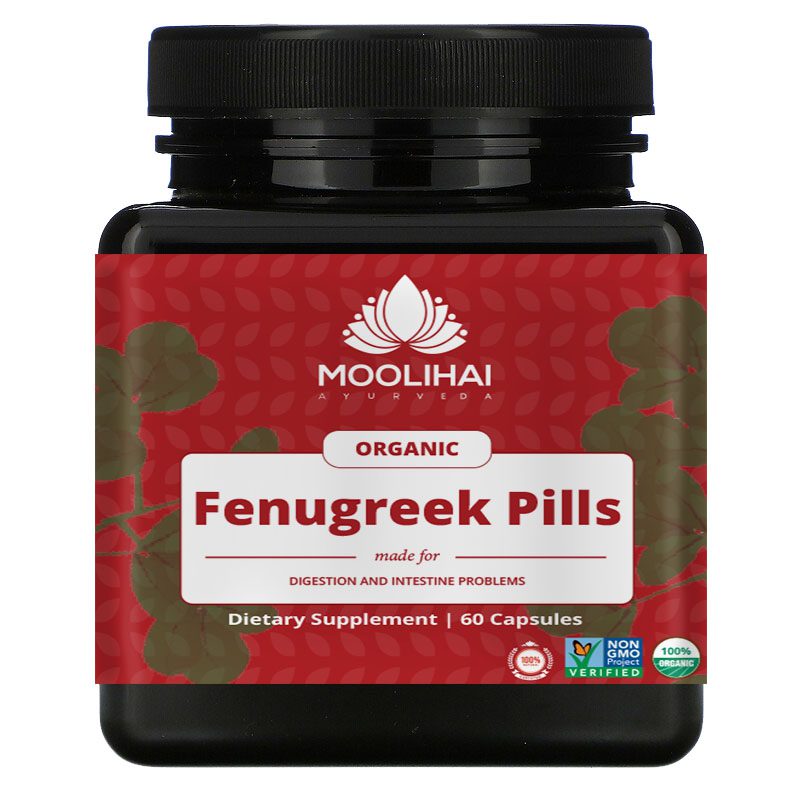
Fenugreek Pills | Vendhayam Pills |Trigonella Foenum-Graecum Herbal Supplement
Origin: India
Fenugreek supplements widely help in digestion and intestine problems. Fenugreek powder as pills alleviates constipation. Fenugreek powder can improve hair health too.
Shipping All Over The World
We've upgraded our shipping! All orders now arrive within 7 days to the USA, UK, and Canada via UPS Express and DHL Express.
Quality Guarantee
Our Products are 99.9% Pure and Stocks are fresh. They pass through multiple quality checks before they are delivered to you.
Lowest Prices & Wholesale Orders
We offer the lowest prices for organic products. If you would like to buy in bulk, get in touch with us.
Secure Payments
Pay Securely using paypal, stripe and other secure payment providers.
Trigonella Foenum-Graecum · Fenugreek Seed Capsules · Vendhayam · Vegetarian
India’s Most Versatile Medicinal Seed — Now in a Capsule You Can Take Anywhere
Fenugreek (Vendhayam / வெந்தயம் in Tamil, Methi in Hindi) is one of the most clinically studied herbs in Ayurveda and Siddha medicine — with strong evidence for blood sugar regulation, digestive health, and breast milk production. The challenge has always been the taste: fenugreek seeds are intensely bitter, which makes daily consumption difficult for most people. These capsules solve that problem completely. Pure fenugreek seed powder in vegetarian capsules — no bitterness, no preparation, no excuses. Just swallow with water and get the full spectrum of fenugreek’s benefits. No additives, no glucose, no artificial colours, no animal-derived ingredients. The same fenugreek seed that Indian grandmothers have used for centuries, delivered in the most convenient modern format.
100% Fenugreek Seed
Vegetarian Capsules
Zero Additives
Ships via DHL / UPS
What’s Inside Each Pill
Fenugreek Seed Powder (Trigonella Foenum-Graecum)
Each capsule contains pure, finely ground fenugreek seed powder — nothing else. Fenugreek seeds are nutritionally dense: 23g protein per 100g (one of the highest protein contents of any seed), 58g carbohydrates, 770mg potassium, plus significant amounts of iron, calcium, magnesium, vitamin B6, and vitamin C. The key medicinal compounds are galactomannan fibre (a soluble fibre that slows glucose absorption), 4-hydroxyisoleucine (an amino acid unique to fenugreek that stimulates insulin secretion), diosgenin (a steroidal saponin with hormone-modulating effects), and trigonelline (an alkaloid with anti-diabetic and neuroprotective properties). This is one of the most pharmacologically active seeds in nature.
Vegetarian Capsule Shell (Plant Cellulose)
The capsule itself is made from plant-derived cellulose — no gelatin, no animal products, no glucose, no artificial colours or flavours. This makes it suitable for vegetarians and vegans. The capsule shell dissolves quickly in the stomach, releasing the fenugreek powder for rapid absorption. The capsule format eliminates fenugreek’s intensely bitter taste — the biggest barrier to regular consumption. If you’ve ever tried to eat raw fenugreek seeds or drink fenugreek water and given up because of the bitterness, these capsules are the solution.
Why Fenugreek Is One of the Most Studied Herbs in Ayurveda
Blood Sugar Regulation
This is fenugreek’s most clinically validated benefit. Multiple human trials have demonstrated that fenugreek seed powder lowers fasting blood glucose levels, improves glucose tolerance, and reduces HbA1c (a marker of long-term blood sugar control) in Type 2 diabetes patients. The mechanisms are twofold: the galactomannan fibre slows carbohydrate absorption in the gut, preventing post-meal blood sugar spikes, while 4-hydroxyisoleucine directly stimulates the pancreas to produce more insulin. Fenugreek doesn’t replace diabetes medication — but it provides meaningful complementary support that may allow better glycaemic control alongside standard treatment.
Digestive Health & Constipation Relief
Fenugreek seeds contain approximately 25% soluble fibre (galactomannan), making them one of the richest natural fibre sources available. This fibre absorbs water in the intestines, forming a gel-like bulk that softens stool and promotes regular bowel movements. For chronic constipation, fenugreek capsules provide gentle, non-irritating relief without the cramping associated with stimulant laxatives. The fibre also acts as a prebiotic, feeding beneficial gut bacteria and supporting a healthy intestinal microbiome. For digestive discomfort — bloating, gas, indigestion — fenugreek’s anti-inflammatory and soothing properties calm the digestive tract.
Breast Milk Production (Galactagogue)
Fenugreek is the world’s most widely used herbal galactagogue — substances that increase breast milk supply. The steroidal saponin diosgenin stimulates the production of prolactin and oxytocin, the two hormones directly responsible for milk production and let-down. Lactation consultants worldwide recommend fenugreek as a first-line herbal approach for insufficient milk supply. Most nursing mothers report noticeable increases in milk volume within 24–72 hours of starting fenugreek. The capsule format is ideal for breastfeeding mothers who need consistent, measured doses without the bitter taste that makes fenugreek tea difficult to drink regularly. Moolihai’s Fennel Powder is another galactagogue in the catalog — some lactation consultants recommend using both together for enhanced effect.
Testosterone & Exercise Performance (Men)
Fenugreek has gained attention in recent years for its effects on male hormonal health. Clinical studies have shown that fenugreek supplementation can increase free testosterone levels, improve strength and body composition during resistance training, and enhance libido. The mechanism involves furostanolic saponins that inhibit enzymes (aromatase, 5-alpha-reductase) that convert testosterone into other hormones. This makes fenugreek a popular natural supplement among men interested in fitness, performance, and hormonal optimisation. It is not a steroid and does not artificially raise testosterone above natural levels — it supports the body’s own production.
Hair Health
Fenugreek is rich in proteins, nicotinic acid, and lecithin — compounds that strengthen hair follicles, reduce breakage, and promote healthier growth. While topical application (fenugreek paste on the scalp) is the traditional method, internal supplementation provides the nutritional building blocks that support hair health from within. The iron content addresses a common cause of hair loss (iron-deficient anaemia), while the protein content (23g per 100g — among the highest of any seed) provides the amino acids needed for keratin production. For comprehensive hair care, combine internal fenugreek supplementation with topical Moolihai Bhringraj Oil for an inside-out approach.
Simple, Consistent, Daily
Daily Supplement — General Wellness
Take 1–2 capsules daily with water, preferably with or just before meals. Taking with food improves absorption and reduces any potential stomach irritation. For blood sugar support, take before your largest meal of the day — the galactomannan fibre works best when present in the gut before carbohydrates arrive. For general digestive health and wellness, take at a consistent time each day. Results build over time — most benefits become noticeable after 2–4 weeks of consistent daily use. Don’t expect overnight changes; fenugreek works gradually by supporting your body’s natural processes.
Breastfeeding Support — Lactation Protocol
For breast milk production, the standard approach recommended by lactation consultants is 2 capsules, 3 times daily (6 capsules total per day) — a higher dose than general wellness use. Many mothers notice increased milk supply within 24–72 hours. A traditional indicator that fenugreek is working: your sweat and urine may develop a mild maple syrup-like odour — this is harmless and actually a sign the active compounds are circulating. Continue as long as breastfeeding support is needed. The capsule format ensures consistent dosing without the bitter taste that derails many mothers from fenugreek tea. Always inform your lactation consultant and paediatrician about any supplements you take while breastfeeding.
Fitness & Hormonal Support — For Men
For testosterone and exercise performance support, take 2 capsules daily — ideally one in the morning and one before your workout or with your evening meal. Clinical studies showing hormonal benefits have used 8–12 weeks of consistent supplementation. Fenugreek works gradually to support natural testosterone production — it is not a quick-fix stimulant. For best results, combine with a structured resistance training programme, adequate protein intake, and sufficient sleep (all of which independently support testosterone). This is a nutritional support, not a replacement for those foundational factors.
Fenugreek Seed — Nutritional Profile per 100g
23g Protein
Among the highest of any seed
58g Carbohydrates
Including 25% soluble fibre
770mg Potassium
Electrolyte & blood pressure support
Iron
Supports red blood cell production
Calcium
Bone & muscle health
Magnesium
Energy, nerves, muscle function
Vitamin B6
Brain function & mood
Vitamin C
Immunity & antioxidant
Ships Worldwide
USA
5–7 Days
FREE OVER $99
UK
5–7 Days
FREE OVER $99
Canada
5–7 Days
FREE OVER $99
Ships worldwide via DHL/UPS. Shipping info →
Common Questions
Fenugreek seeds are extremely bitter — one of the most bitter flavours in the Indian spice rack. This bitterness is the main reason people who know fenugreek is beneficial still don’t take it regularly. Raw seeds need to be soaked overnight, chewed (bitter), or ground into powder and mixed with food or water (still bitter). The capsule format eliminates the taste barrier entirely. You swallow it with water — no bitterness, no preparation, no soaking, no grinding. The capsule dissolves in the stomach and releases the same pure fenugreek powder. For people who can handle the taste, loose seeds or powder offer more flexibility (cooking, topical hair treatments). But for consistent daily supplementation — which is how fenugreek delivers its best results — capsules are the most reliable format because you’ll actually take them every day.
Fenugreek has been shown to lower blood sugar levels — which is one of its primary benefits but also means it can enhance the effect of diabetes medications (metformin, insulin, sulfonylureas, etc.). This combination could potentially cause blood sugar to drop too low (hypoglycaemia). If you’re on diabetes medication, you absolutely should consult your doctor before starting fenugreek supplements. Your doctor may want to monitor your blood sugar more closely during the first few weeks and potentially adjust your medication dosage. Fenugreek is meant to complement — not replace — your prescribed diabetes management plan. Many diabetic patients use fenugreek successfully alongside medication, but medical supervision is essential.
Possibly, yes — and it’s completely harmless. Fenugreek contains sotolon, a compound that has a distinctive sweet, maple syrup-like aroma. When you consume enough fenugreek regularly, sotolon can appear in your sweat, urine, and even breast milk, giving them a mild maple-like scent. This is actually a useful indicator: if you notice the smell, the active compounds are circulating in your body and reaching therapeutic levels. For breastfeeding mothers, this is considered a positive sign that fenugreek is working. The scent is mild and usually only noticeable to you — not strong enough for others to detect from a normal distance. It’s temporary and stops when you discontinue fenugreek.
Fenugreek is not recommended during pregnancy. It contains compounds (diosgenin and other steroidal saponins) that have uterine-stimulating properties and could potentially induce premature contractions. While culinary amounts of fenugreek in food are generally considered low-risk during pregnancy, supplemental doses (capsules) provide significantly higher concentrations and should be avoided. After delivery, fenugreek becomes one of the most recommended herbs for breastfeeding support — but the distinction between pregnancy (avoid) and postpartum breastfeeding (beneficial) is important. Always consult your OB-GYN or midwife about any supplement use during pregnancy or breastfeeding.
Both are galactagogues (milk-boosting), but they work through different mechanisms and can be used together. Fenugreek stimulates prolactin and oxytocin through steroidal saponins (diosgenin) — it’s the more potent galactagogue with faster onset (24–72 hours). Fennel stimulates prolactin through anethole and estragole — it’s gentler, has the additional benefit of passing calming properties through breast milk (helping with infant colic), and tastes pleasant as fennel water. Many lactation consultants recommend combining both: fenugreek capsules for the primary milk-boosting effect, fennel water between meals for additional support and digestive benefits for both mother and baby. Moolihai sells both products.
At standard doses (1–2 capsules daily for general use, up to 6 for breastfeeding), side effects are uncommon but may include mild digestive symptoms: bloating, gas, or loose stools (due to the high fibre content — usually resolves as your body adjusts). The maple syrup scent in sweat/urine is common but harmless. More seriously: fenugreek can lower blood sugar (risk of hypoglycaemia if combined with diabetes medications), has mild blood-thinning properties (caution with anticoagulants), and is contraindicated in pregnancy. People with allergies to peanuts or chickpeas may also react to fenugreek as they’re in the same botanical family (Fabaceae/legumes). Discontinue and consult a doctor if you experience any unusual symptoms.
*Disclaimer: This is a dietary supplement containing 100% fenugreek seed powder in vegetarian capsules. It is not intended to diagnose, treat, cure, or prevent any disease including diabetes. The benefits described are based on traditional Ayurvedic and Siddha knowledge and published clinical research on Trigonella foenum-graecum. Fenugreek may interact with diabetes medications, blood thinners, and hormone-sensitive conditions. Not recommended during pregnancy. Safe for breastfeeding mothers at recommended doses — consult your lactation consultant. People with peanut or chickpea allergies may have cross-reactivity. Always consult your healthcare provider before starting any new supplement, especially if you take prescription medications. Individual results vary.
| Weight | .3 kg |
|---|---|
| Quantity | 15 Days (60 Count), 30 Days (120 Count), 60 Days (240 Count) |
Be the first to review “Fenugreek Pills | Vendhayam Pills |Trigonella Foenum-Graecum Herbal Supplement”
You must be logged in to post a review.
Reviews
There are no reviews yet.