
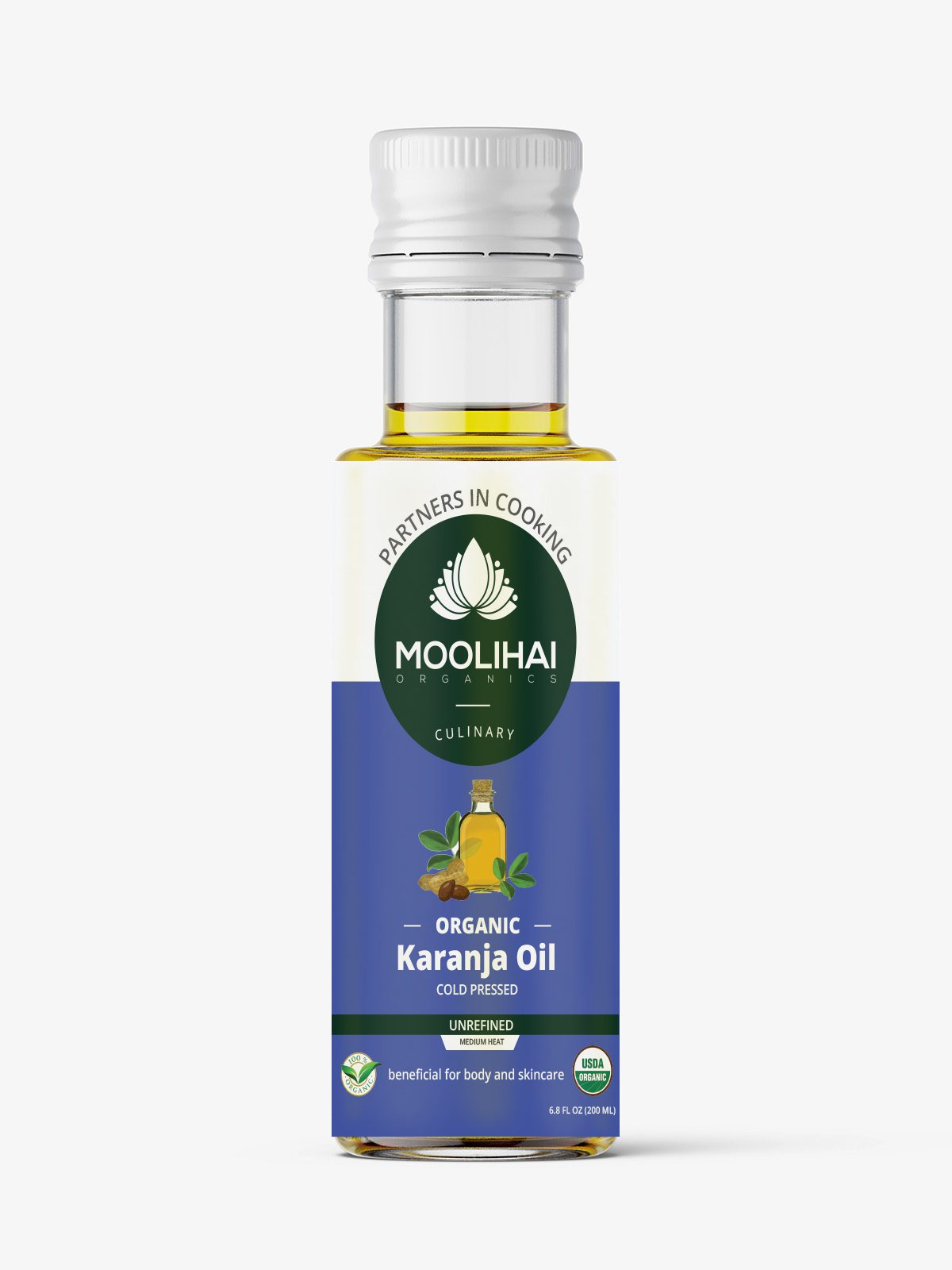
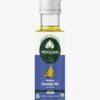
Premium Cold-Pressed Karanja Oil | Pungai Oil | Pungan 200ml (6.8 fl oz)
19.00$
Weight: 200ml (6.8 fl oz)
Origin: India
The Cold-Pressed Pungai Oil is an effective alternative for diesel, and it improves your body and skin health.
Out of stock
Pongamia Pinnata · Cold-Pressed Karanja Seed Oil
Ancient India’s Best-Kept Secret for Skin Healing, Scalp Recovery, and Natural UV Defence
Long before modern dermatology existed, Siddha and Ayurvedic practitioners across Tamil Nadu reached for one oil when skin refused to heal — Pungai Ennai. Cold-pressed from the seeds of the Pongamia pinnata tree, this golden-brown oil is extraordinarily rich in karanjin and pongamol, two rare flavonoids with clinically studied antibacterial, antifungal, and UV-absorbing properties. Whether you’re managing stubborn eczema patches, a flaky scalp that won’t respond to shampoos, or simply need a deeply nourishing body oil that doubles as a natural insect repellent, Moolihai’s cold-pressed Pungai Oil delivers the full therapeutic profile of this ancient tree — unrefined, chemical-free, and sourced directly from Indian Pongamia groves.
Cold-Pressed & Unrefined
Rich in Karanjin & Pongamol
Natural UV-Absorbing Flavonoids
Ships Worldwide via DHL/UPS
What Is Pungai Oil (Karanja Oil)?
Pungai Oil is a thick, golden-brown oil cold-pressed from the seeds of the Pongamia pinnata tree — a hardy, nitrogen-fixing legume that grows across tropical India, Southeast Asia, and Northern Australia. Known as Karanja in Hindi, Pungai or Pungan in Tamil, and Honge in Kannada, this tree has been central to Indian village life for millennia. Its twigs were used as toothbrushes in ancient times, its flowers fed bees that produced a distinctive dark honey, and its seed oil lit household lamps long before kerosene arrived.
In Siddha and Ayurvedic medicine, Pungai Oil is classified as having bitter (tikta), pungent (katu), and astringent (kashaya) tastes with hot potency — making it a powerful Kapha and Vata balancer. The oil’s therapeutic power comes from its unusually high concentration of bioactive flavonoids — particularly karanjin and pongamol — which give it antibacterial, antifungal, anti-inflammatory, and UV-absorbing properties that modern cosmetic science is only now beginning to validate. Unlike neem oil, which shares many of these properties but carries an intensely pungent odour, Pungai Oil has a milder, more tolerable scent — making it far more practical for daily skincare, hair treatments, and body massage.
8 Reasons to Keep Pungai Oil in Your Wellness Cabinet
From stubborn skin conditions to scalp restoration, Pungai Oil addresses problems that many conventional products struggle with — naturally and without synthetic chemicals.
Eczema & Psoriasis Relief
Pungai Oil has been used for centuries in Siddha medicine specifically for chronic skin conditions like eczema, psoriasis, and dermatitis. The karanjin compound works as a natural anti-inflammatory that may help reduce the redness, flaking, and itching associated with these conditions. Unlike steroid creams that thin the skin over time, this oil nourishes while it soothes. Traditional practitioners often recommend applying it diluted with coconut oil to affected patches twice daily for sustained relief.
Natural UV-Absorbing Properties
The flavonoids karanjin and pongamol in Pungai Oil have demonstrated UV-absorbing capabilities in research, making this one of the few plant oils with genuine photoprotective potential. While it cannot replace dedicated sunscreen, it offers an additional layer of defence when blended into your daily moisturiser or body oil. This makes it particularly valuable for people with sensitive or reactive skin who struggle with chemical sunscreens. Many natural skincare formulators now include Pongamia oil specifically for this UV-filtering benefit.
Powerful Antibacterial & Antifungal Action
Pungai Oil’s antimicrobial profile is one of its strongest suits. It has been traditionally used to treat bacterial skin infections, fungal conditions like ringworm, and even as a wound disinfectant in rural India. The oil’s antifungal properties make it effective against the yeasts and fungi that cause conditions like athlete’s foot and nail fungus. At a 3-5% concentration, research suggests it can even function as a natural preservative in cosmetic formulations — a testament to how potent its antimicrobial action truly is.
Scalp Healing & Dandruff Treatment
If your scalp is plagued by persistent dandruff, itchiness, or flakiness that medicated shampoos can’t seem to resolve, Pungai Oil may offer the antifungal intervention you need. The oil penetrates the scalp to target the fungal overgrowth that causes most dandruff while simultaneously soothing the inflammation that leads to itching. Many users report visible improvement within two to three weeks of regular pre-wash scalp massage with diluted Pungai Oil. For enhanced results, Siddha practitioners traditionally combine it with a few drops of Moolihai’s Tea Tree Essential Oil.
Deep Skin Moisturisation
Rich in oleic acid, linoleic acid, and other essential fatty acids, Pungai Oil provides deep, lasting hydration without the heavy, greasy feeling of many body oils. It helps restore the skin’s natural lipid barrier — crucial for people with chronically dry, cracked, or weather-damaged skin. The oil absorbs well when applied to damp skin after bathing, locking in moisture for hours. Its emollient properties also make it an excellent base oil for DIY body butters and salves, especially during harsh winter months.
Natural Insect Repellent
Pungai Oil has been used as a natural insect repellent across rural India for generations. The bitter flavonoid compounds that give the oil its therapeutic properties also make it highly unpleasant to mosquitoes, mites, and other biting insects. Applied to exposed skin (diluted with a carrier oil), it provides a chemical-free alternative to DEET-based repellents. This dual function — skin nourishment plus insect protection — makes it especially practical for outdoor activities, travel, or anyone living in tropical and subtropical climates.
Pet-Safe Itch & Skin Relief
One of Pungai Oil’s lesser-known but highly valued traditional uses is for pets — particularly dogs suffering from itchy skin, mange, or flea irritation. The oil’s antifungal and antibacterial properties help address the underlying causes of skin irritation in animals, while its moisturising fatty acids soothe dry, flaky patches. Many pet owners in South India have used diluted Pungai Oil as a natural alternative to chemical flea treatments for generations. Always dilute appropriately and consult your veterinarian before first use on pets.
Joint Pain & Inflammation Support
In Ayurveda, Pungai Oil’s hot potency (ushna veerya) makes it a Vata-pacifying oil — ideal for topical application on stiff, painful joints. Traditional practitioners have long recommended warm Pungai Oil massage for arthritis, rheumatism, and general musculoskeletal stiffness. The oil’s anti-inflammatory compounds penetrate the skin to help reduce swelling and improve mobility when used consistently. For a more intensive treatment, Siddha practitioners sometimes combine Pungai Oil with Moolihai’s Boswellia Serrata Extract Powder to create a potent anti-inflammatory paste.
How to Use Pungai Oil
Pungai Oil is potent — always dilute it with a carrier oil before applying to skin or hair. Here are five traditional and modern methods to get the most from this powerful botanical oil.
Skin Healing Blend
Mix 5-10 drops of Pungai Oil into a tablespoon of coconut oil or Moolihai’s Moringa Oil. Apply to eczema patches, dry skin, minor wounds, or irritated areas twice daily. The carrier oil ensures the potent flavonoids are delivered gently without irritation. For psoriasis-prone skin, some practitioners add a pinch of Moolihai’s Manjistha Powder to create a targeted healing paste — Manjistha is traditionally known as the premier blood-purifying herb in Ayurveda.
Pre-Wash Scalp Treatment
Warm a tablespoon of diluted Pungai Oil (mixed 1:3 with coconut or sesame oil) and massage into your scalp using circular motions. Leave for 30-45 minutes, then wash with a mild shampoo. This targets dandruff-causing fungi, soothes scalp inflammation, and deeply conditions hair follicles. For enhanced results, add 2-3 drops of Moolihai’s Tea Tree Essential Oil or Rosemary Essential Oil to the blend. Use twice weekly for best results.
Post-Bath Body Oil
Add 8-10 drops of Pungai Oil to your regular body lotion or a light carrier oil like almond oil. Apply immediately after bathing while skin is still damp to lock in moisture. The essential fatty acids restore the skin’s lipid barrier, while the flavonoids provide a mild layer of UV-absorbing protection for the day ahead. This is especially beneficial during dry winter months or for anyone with chronically dehydrated skin.
Joint & Muscle Massage
Warm a blend of Pungai Oil (1 part) and sesame oil (3 parts) and massage into stiff or painful joints for 10-15 minutes. The hot potency of Pungai Oil combined with the warming nature of sesame oil helps improve circulation and may reduce inflammation in the affected area. For a more potent formula, dissolve a small amount of Moolihai’s Boswellia Serrata Extract Powder into the warm oil before application — Boswellia is renowned for its joint-supporting properties.
Pet Skin Soothing
Dilute Pungai Oil heavily — 3-5 drops in two tablespoons of coconut oil — and apply sparingly to your dog’s itchy patches, dry skin, or areas affected by mild mange. The oil’s antifungal and insect-repelling properties work naturally without the harsh chemicals found in many commercial pet treatments. Avoid applying near the eyes, mouth, or any open wounds. Always patch-test on a small area first and consult your veterinarian, especially for cats or smaller animals.
Names for Pungai Oil Across Languages
The Pongamia tree has been an integral part of traditional life across South and Southeast Asia for millennia. Wherever it grows, local communities have given it names that reflect its importance — knowing these names helps you find it in traditional medicine texts, local markets, and Ayurvedic pharmacopoeias.
Tamil
புங்கை எண்ணெய் (Pungai Ennai), Pungan
Sanskrit
Karanja, Naktamala, Ghritapoora
Hindi
Karanj, Dithouri
Kannada
Honge Mara, Hulagilu
Malayalam
Pongu, Ungu
Telugu
Kanuga, Punugu
English
Indian Beech Oil, Pongame Oil
Botanical
Pongamia pinnata (syn. Millettia pinnata)
Ayurvedic & Siddha Profile
In the classical texts of Ayurveda — including Bhavaprakasha Nighantu and Raja Nighantu — Karanja is extensively documented with specific therapeutic applications. Here is how traditional systems classify this oil.
Rasa (Taste)
Tikta (Bitter), Katu (Pungent), Kashaya (Astringent)
Veerya (Potency)
Ushna (Hot)
Vipaka (Post-Digestive)
Katu (Pungent)
Dosha Effect
Balances Kapha & Vata · May increase Pitta
Guna (Qualities)
Laghu (Light), Teekshna (Piercing/Sharp)
Pharmacological Actions
Antibacterial, Antifungal, Anti-inflammatory, Wound Healing, Antipyretic
Classical Formulations
Karanja Taila, Somaraji Tailam, Murivenna
Primary Indications
Skin diseases (Kushtha), Wounds (Vrana), Worms (Krimi), Joint pain (Vata Roga)
What Our Customers Say
Great packaging and no damage to the oil bottle. Really impressed with the care taken in shipping. Will definitely buy from Moolihai again
Great and authentic products from Moolihai. I’ve been using them for around 15 days now, and they perfectly meet my expectations
Good product. There’s been a lot of change with my skin
Product Specifications
Product Type
Cold-Pressed Seed Oil
Form
Liquid Oil — Golden-Brown
Source Plant
Pongamia pinnata (Millettia pinnata)
Origin
India
Extraction
Cold-Pressed (No Chemicals or Heat)
Key Compounds
Karanjin, Pongamol, Oleic Acid, Linoleic Acid
Application
Topical Only — Dilute Before Use
Shelf Life
Up to 24 Months (Cool, Dry Storage)
Shipping Information
We ship directly from Tamil Nadu, India via premium express carriers. Most orders arrive within 5-7 business days.
United States
5-7 business days via DHL/UPS Express
United Kingdom
5-7 business days via DHL/FedEx Express
Canada
5-7 business days via UPS/DHL Express
Frequently Asked Questions
This is one of the most common questions we receive, and the confusion is understandable — both Pungai (Karanja) Oil and Neem Oil come from nitrogen-fixing trees, both are bitter, and both have strong antibacterial and antifungal properties. However, there are key differences. Pungai Oil contains unique flavonoids — karanjin and pongamol — that give it UV-absorbing properties that Neem Oil lacks entirely. Pungai Oil also has a significantly milder, more tolerable scent compared to Neem’s notoriously pungent odour, making it far more practical for daily skincare and hair treatments. In Ayurvedic classification, Karanja is hotter in potency and more specifically indicated for chronic skin diseases and wound healing, while Neem is cooler and broader in its applications. Many Siddha practitioners actually recommend using both — Neem internally (as leaf powder or tea) and Pungai Oil topically — for comprehensive skin healing. If you’re looking for an everyday topical oil that won’t overwhelm your senses, Pungai Oil is the better choice.
We strongly recommend diluting Pungai Oil before applying it to your skin. This is a concentrated, bioactive oil with potent flavonoids that can cause a warming or tingling sensation — and in some cases irritation — when applied undiluted, especially on sensitive or broken skin. The traditional and safest approach is to mix it with a carrier oil at a ratio of roughly 1 part Pungai Oil to 3-4 parts carrier oil. Coconut oil, sesame oil, and Moolihai’s cold-pressed Moringa Oil all work beautifully as carriers. For a patch test, apply a small amount of your diluted blend to the inside of your wrist, wait 24 hours, and check for any adverse reaction before applying more broadly. Once diluted, it can be used on the face, body, scalp, and joints with confidence.
No — and this is an important distinction. While Pungai Oil does contain karanjin and pongamol, which have demonstrated UV-absorbing properties in research, it is not classified as a sunscreen by any regulatory body including the FDA, EU Cosmetics Regulation, or India’s FSSAI. It can provide a supplementary layer of photoprotection when blended into your moisturiser or body oil, but it should never be your sole defence against UV damage. Think of it as an added benefit rather than a replacement. If you’re spending extended time in the sun, always use a dedicated broad-spectrum sunscreen. Pungai Oil works best as a supportive daily skincare ingredient — nourishing your skin, providing mild UV defence, and offering antibacterial protection, all in one application.
Pungai Oil has a long history of traditional use on dogs in South India — particularly for itchy skin, mild mange, flea-related irritation, and dry patches. However, it must always be heavily diluted (3-5 drops per two tablespoons of carrier oil) and applied sparingly. Avoid the eyes, mouth, nose, and any open wounds. Dogs generally tolerate it well, but every animal is different — always do a small patch test first and observe for 24 hours. For cats and smaller animals, we advise extra caution and recommend consulting your veterinarian before use, as cats metabolise certain plant compounds differently than dogs. If your pet shows any signs of discomfort, excessive licking of the application area, or allergic reaction, discontinue use immediately and consult your vet.
Most people begin noticing a reduction in flaking and scalp itchiness within 2-3 weeks of consistent use — typically two pre-wash scalp treatments per week. Chronic fungal dandruff that hasn’t responded to conventional shampoos may take 4-6 weeks of regular application to show significant improvement, as the antifungal compounds need time to address the underlying fungal overgrowth. For best results, warm your diluted Pungai Oil blend before application, massage it thoroughly into the scalp for at least 5 minutes to stimulate circulation, and leave it on for 30-45 minutes before washing. Adding a few drops of Moolihai’s Tea Tree Essential Oil or Rosemary Essential Oil to your blend can accelerate results, as these oils have complementary antifungal and circulation-boosting properties.
Pungai Oil is for external/topical use only — it should never be ingested, as the bitter flavonoid compounds can cause gastrointestinal distress. Pregnant and nursing women should consult their healthcare provider before using Pungai Oil, as its hot potency and bioactive compounds may not be suitable during pregnancy. People with extremely sensitive skin, open wounds, or active skin infections should patch-test before broader application. If you’re currently using prescription topical medications (such as steroid creams for eczema or psoriasis), consult your dermatologist before introducing Pungai Oil into your routine, as it may interact with or alter the absorption of these medications. Store the oil in a cool, dark place away from direct sunlight to preserve its potency — properly stored, it remains effective for up to 24 months.
Disclaimer: These statements have not been evaluated by the Food and Drug Administration or any other regulatory body. This product is not intended to diagnose, treat, cure, or prevent any disease. Pungai Oil is for external/topical use only — do not ingest. Always dilute before applying to skin. Individual results may vary. If you are pregnant, nursing, or under medical supervision, consult your healthcare provider before use. Not a replacement for sunscreen.
| Weight | .25 kg |
|---|
5 reviews for Premium Cold-Pressed Karanja Oil | Pungai Oil | Pungan 200ml (6.8 fl oz)
Add a review
You must be logged in to post a review.
Johanna (verified owner) –
Great packaging and no damage to the oil bottle. Really impressed with the care taken in shipping. Will definitely buy from Moolihai again
Zoya (verified owner) –
Fantastic outcomes
Jolie (verified owner) –
very nice
Samira (verified owner) –
Great and authentic products from Moolihai. I’ve been using them for around 15 days now, and they perfectly meet my expectations
Marlowe (verified owner) –
Good product. There’s been a lot of change with my skin