
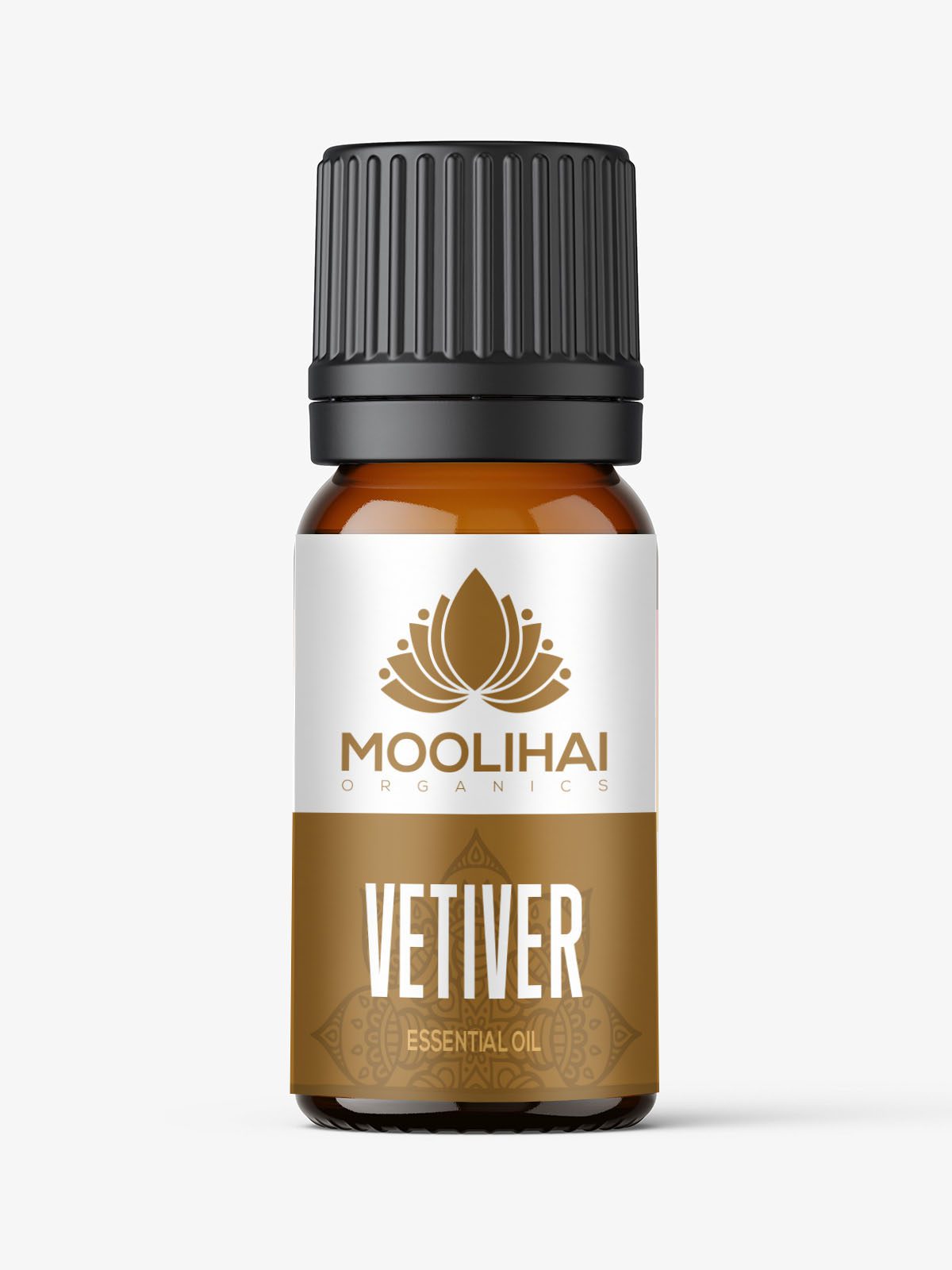
Pure Vetiver Essential Oil | Vetiveria Zizanioides – 10 ml (0.33 fl oz)
9.99$
Botanical Name: Vetiveria Zizanioides
Weight: 10 ml
Condition: Liquid
Origin: India
Vetiveria Zizanioides · Steam-Distilled Root Oil · 100% Pure · 10 ml (0.33 fl oz)
The “Oil of Tranquility” — Grounding, Calming, and Deeply Earthy Aromatherapy
Vetiver is not your typical essential oil. Where lavender calms the mind, vetiver grounds the entire nervous system. Steam-distilled from the deep, tangled roots of the Vetiveria zizanioides grass — known as Vettiver (வெட்டிவேர்) in Tamil and Khus in Hindi — this thick, amber oil carries a rich, smoky, woody aroma unlike anything else in aromatherapy. It’s the base note perfumers build entire fragrances around, the oil aromatherapists reach for when anxiety, insomnia, or nervous tension won’t let go, and the scent that Ayurvedic practitioners have used for centuries to cool the body and still the mind. One drop goes a long way. Dilute with coconut oil for massage, add to a diffuser for deep relaxation, or drop into a warm bath when the world feels like too much. 5.0★ across 6 verified reviews. $9.99 for 10ml of pure, Indian-origin vetiver oil.
5.0 ★ Rating (6 Reviews)
100% Pure · Steam-Distilled
Root-Extracted · Deep Aroma
Ships via DHL / UPS
What Is Vetiver Essential Oil?
A deeply grounding root oil with a 2,000-year history in Indian medicine, perfumery, and spiritual practice.
The Sacred Grass of India
Vetiver (Vetiveria zizanioides) is a tall, dense, perennial grass native to India — particularly Tamil Nadu, where it’s called Vettiver (வெட்டிவேர்). While the grass itself is unremarkable above ground, the magic is underground: vetiver’s root system grows straight down, sometimes reaching 3–4 metres deep, forming a dense, tangled network that has been used for centuries to prevent soil erosion and stabilise riverbanks. These deep roots are also where the essential oil resides. Unlike most essential oils (which come from leaves, flowers, or fruit), vetiver oil is steam-distilled from the roots — giving it a uniquely heavy, earthy, smoky, woody character with hints of chocolate and damp soil. In India, vetiver roots have been woven into mats, fans, and curtains (khus-khus tatties) that are dampened with water to cool rooms naturally — the evaporating water carries vetiver’s cooling aroma through the space.
The Chemistry of Calm
Vetiver oil’s signature calming effect isn’t placebo — it’s chemistry. The oil contains over 100 identified compounds, with vetiverol, vetivone, khusimol, and isovalencenol as the primary active constituents. These sesquiterpene compounds interact with the limbic system (the brain’s emotional processing centre) and have been studied for their anxiolytic (anxiety-reducing), sedative, and nervous system-regulating effects. Research has shown that inhaling vetiver oil may reduce alpha brain wave activity associated with stress and hyperarousal, while promoting the deeper, slower brain waves associated with relaxation and sleep. This is why vetiver is one of the most recommended essential oils for anxiety, insomnia, ADHD-related restlessness, and nervous exhaustion — it doesn’t sedate you like a drug, it grounds you like an anchor.
Why Vetiver Is Called the “Oil of Tranquility”
Deep Relaxation & Anxiety Relief
Vetiver is the essential oil most aromatherapists reach for when dealing with deep-seated anxiety, nervous tension, and emotional overwhelm. Its sesquiterpene-rich composition interacts with GABA receptors and the limbic system to promote a sense of calm without drowsiness. Studies have shown vetiver inhalation reduces cortisol levels and heart rate variability markers associated with stress. Add 3–4 drops to a diffuser in the evening, or dilute with coconut oil and apply to the wrists and behind the ears for a personal calming effect throughout the day.
Sleep & Insomnia Support
For people who struggle to fall asleep because their mind won’t stop racing, vetiver is a game-changer. Its grounding, heavy aroma signals the nervous system to downshift — promoting the transition from hyperarousal to rest. Add 2–3 drops to your pillow or diffuse in the bedroom 30 minutes before sleep. Many users find vetiver more effective for sleep than lavender because it works on a deeper neurological level — where lavender soothes, vetiver anchors. For an enhanced sleep blend, combine vetiver with Moolihai’s Lavender Essential Oil: lavender calms the surface mind, vetiver settles the deeper nervous system.
Massage & Muscle Relaxation
Vetiver’s warming, deeply penetrating quality makes it exceptional for therapeutic massage. Dilute 4–6 drops in a tablespoon of carrier oil (coconut, almond, or Moolihai’s Moringa Oil) and massage into tense areas — shoulders, neck, lower back, and feet. The oil’s anti-inflammatory properties help relieve muscle tension and joint stiffness, while the aroma provides simultaneous mental relaxation. Vetiver has a long history in massage therapy for precisely this dual physical-emotional benefit. A foot massage with vetiver oil before bed is one of the most effective natural sleep-preparation rituals in Ayurvedic practice.
Skin Health & Even Tone
Vetiver oil promotes the appearance of even skin tone and may help reduce the visibility of scars, dark spots, and blemishes over time. Its antioxidant properties help protect skin cells from free radical damage, while its gentle astringent quality can help tighten pores and improve overall skin texture. Always dilute before applying to skin — 2–3 drops of vetiver in a tablespoon of carrier oil is sufficient. Apply to the face after cleansing, or add to your regular moisturiser. For targeted scar treatment, mix vetiver oil with Moolihai’s Moringa Oil and apply to the affected area nightly.
Focus & Mental Clarity
Here’s the paradox of vetiver: it calms anxiety while simultaneously improving focus. This is because the grounding effect reduces mental scatter and hyperactive thinking — the noise that prevents concentration. Some ADHD researchers have studied vetiver inhalation for its potential to improve focus and task completion in children and adults with attention difficulties. Diffuse vetiver during work or study sessions when you need sustained concentration without the jittery edge of caffeine. It’s particularly effective for creative work, meditation, and any task requiring deep, uninterrupted focus.
Cooling & Body Temperature
In Ayurveda, vetiver is classified as a cooling herb (Sheeta Virya) — used to reduce excess body heat, particularly during the hot Indian summer. This is why vetiver roots have been woven into cooling mats and room screens across India for centuries. When applied topically (diluted), vetiver oil may help cool inflamed skin, reduce the sensation of overheating, and provide relief during heat-related discomfort. Add a few drops to a cool bath during summer months, or mix with aloe vera gel for a cooling after-sun application.
Natural Perfumery & Base Note
Vetiver is one of the most prized base notes in natural perfumery — used in over 36% of all Western perfumes and colognes as a fixative and foundation note. Its rich, complex, smoky-earthy aroma develops and deepens over hours on the skin, acting as an anchor that holds lighter top notes (citrus, floral) in place. If you make your own natural perfumes or body oils, vetiver is indispensable. Reviewer Lennox confirmed the authenticity: “Smells pure and original.” A drop on each wrist lasts all day and creates a unique, sophisticated personal scent.
Emotional Healing & Grounding
In emotional aromatherapy, vetiver is known as the oil of “centering and descent” — it helps bring awareness back into the body during periods of emotional dissociation, shock, or stress response. It’s recommended by aromatherapists for grounding practices, anxiety, and emotional processing after difficult experiences. Its deep, anchoring quality helps reconnect the mind to the present moment. This is not a replacement for professional mental health support, but vetiver can be a valuable complementary tool in emotional self-care.
Four Ways to Use Vetiver Essential Oil
Diffuser — Room Aromatherapy
Add 3–5 drops of vetiver essential oil to your ultrasonic diffuser or oil burner. Because vetiver is thick and viscous (much thicker than most essential oils), tilt the bottle and allow it to drip slowly — don’t shake it. Diffuse in the bedroom 30 minutes before sleep for deep relaxation, or in your workspace for grounding focus. Vetiver blends beautifully with Moolihai’s Lavender Essential Oil (calming), Lemongrass Essential Oil (uplifting), or Rosemary Essential Oil (clarity). A classic evening blend: 3 drops vetiver + 2 drops lavender + 1 drop geranium — deeply relaxing without being overpoweringly earthy.
Massage — Body & Scalp
Dilute 4–6 drops of vetiver oil in 1 tablespoon of carrier oil — coconut oil is the traditional Ayurvedic choice, but Moolihai’s Moringa Oil works beautifully and adds its own skin-nourishing properties. Massage into tense muscles, particularly the shoulders, neck, lower back, and feet. For scalp massage, add 2–3 drops to a tablespoon of coconut or Moolihai’s Bhringraj Oil and work into the scalp before bed — vetiver may help soothe scalp irritation and the massage promotes hair health. Leave overnight if possible, shampoo in the morning. Reviewer Kaitlyn noted the oil’s versatility: “It can be used for many purposes.”
Bath — Deep Relaxation Ritual
A warm vetiver bath is one of the most effective stress-relief rituals in aromatherapy. Add 5–8 drops of vetiver oil to a tablespoon of carrier oil or a cup of Epsom salts (essential oils don’t dissolve in water alone — the carrier disperses them safely). Add to a warm bath and soak for 20–30 minutes. The combination of warm water, steam carrying the vetiver aroma, and the oil’s absorption through the skin creates a full-body grounding experience. This is particularly effective after a demanding day, before a difficult conversation, or any time you feel emotionally scattered. Keep the bathroom dimly lit for maximum effect.
Topical — Skin & Pulse Points
For personal aromatherapy throughout the day, dilute 2–3 drops of vetiver in a teaspoon of carrier oil and apply to pulse points — wrists, behind the ears, base of the throat, and temples. The body heat at these points slowly releases the vetiver aroma over hours, providing a constant, subtle grounding effect. For skin health, add 2 drops to your daily moisturiser or face oil. For scar and blemish treatment, apply a vetiver-carrier oil blend to the target area nightly. Always patch-test before first use — apply a small diluted amount to the inner forearm and wait 24 hours to check for sensitivity. Avoid contact with eyes, ears, and sensitive areas.
What Our Customers Say
“Smells pure and original. I liked it.”
“This Moolihai’s essential oil is so good… It can be used for many purposes.”
“Arrived on time. Strong smell. Packed well.”
All reviews from verified purchases on moolihai.com
What You’re Getting
10 ml (0.33 fl oz)
~200 drops
Steam-Distilled
Pure essential oil
India
Origin
5.0 / 5 Rating
6 verified reviews
Root-Extracted
Vetiveria zizanioides roots
No Additives
No synthetic fragrance
100% Pure
Undiluted essential oil
$9.99
10 ml bottle
Ships Worldwide
USA
5–7 Days
FREE OVER $99
UK
5–7 Days
FREE OVER $99
Canada
5–7 Days
FREE OVER $99
Ships worldwide via DHL/UPS. Shipping info →
Common Questions
These are three different products from the same plant. Vetiver Essential Oil (this product) is the concentrated oil extracted by steam distillation of vetiver roots — it’s highly potent and must always be diluted before use. A few drops go a very long way. It’s used for aromatherapy, massage, skin care, and natural perfumery. Khus water (vetiver hydrosol) is the aromatic water left over after steam distillation — it’s much milder and can be used directly as a facial toner, room spray, or cooling drink additive (in Indian tradition, khus sherbet is a popular summer drink). Vetiver roots are the raw, dried roots themselves — traditionally woven into fans, mats, and room screens for natural cooling and fragrance, or soaked in water to make a fragrant, cooling drink. Moolihai’s essential oil is the most concentrated and therapeutically potent of the three — if you want aromatherapy, massage, or skin care benefits, this is the product to choose.
No — do not ingest this product. Essential oils are highly concentrated plant extracts that can cause serious irritation or toxicity if taken internally. Vetiver essential oil is strictly for external use: aromatherapy (diffusion/inhalation), topical application (always diluted with a carrier oil), and bath use (mixed with a carrier or salt). If you want to consume vetiver for its cooling benefits, use food-grade khus water or steep vetiver roots in water — not the essential oil. This distinction is critical and applies to all essential oils in the Moolihai range. If accidental ingestion occurs, contact a poison control centre immediately.
This is completely normal and actually a sign of purity. Vetiver essential oil is one of the thickest, most viscous essential oils in the world — its high sesquiterpene content gives it an almost syrupy consistency, especially in cooler temperatures. Unlike thin oils like lemongrass or eucalyptus that drip freely, vetiver needs to be coaxed out of the bottle. Tilt the bottle and wait patiently — don’t shake it violently. If it’s very cold, warm the bottle gently between your palms for a minute before use. The thickness also means vetiver evaporates extremely slowly — which is why it works as a perfume base note and why a 10ml bottle lasts a very long time. If your vetiver oil pours like water, that’s actually a red flag indicating it may be diluted or synthetic.
Vetiver is a base note with an earthy, smoky, woody character — it blends well with almost every essential oil category because it acts as an anchor and fixative. For relaxation: Lavender, Geranium (Moolihai carries both). For focus: Rosemary, Peppermint, Basil (Moolihai carries all three). For uplifting blends: Lemongrass, Citronella, Citriodora (Moolihai carries all three). For deep grounding: Clove, Cypress (Moolihai carries both). For perfume-style blends: Geranium + Lemongrass + Vetiver creates a beautiful, complex natural fragrance. The general ratio is 1 part vetiver to 2–3 parts of lighter oils, since vetiver is intensely aromatic and can overpower lighter notes if used in equal proportion.
Vetiver essential oil should be used with caution during pregnancy. While it is generally considered one of the safer essential oils and doesn’t have the uterine-stimulating risks associated with some oils (like clary sage or rosemary in high doses), the general recommendation is to consult your doctor or midwife before using any essential oil during pregnancy — particularly during the first trimester. If cleared by your healthcare provider, use at a lower dilution (1–2 drops per tablespoon of carrier oil rather than the standard 4–6 drops) and avoid daily use. For diffusion, keep sessions shorter (15–20 minutes) and ensure the room is well ventilated. If you experience any discomfort, headaches, or nausea, discontinue use immediately.
Longer than you’d expect — for two reasons. First, vetiver is used in very small quantities (2–5 drops per application), so 10ml provides approximately 200 drops, or 40–100 individual uses. If you’re using it primarily for diffusion (3–4 drops per session), that’s roughly 50–65 sessions. If you’re using it for massage blends or bath use, a bottle typically lasts 1–3 months of regular use. Second, vetiver oil doesn’t expire quickly — properly stored (in a cool, dark place with the cap tightly sealed), pure vetiver essential oil actually improves with age, like a fine wine. The aroma deepens and rounds out over time. Most aromatherapists consider vetiver usable for 4–8 years after opening. At $9.99 for this kind of longevity, it’s one of the most cost-effective aromatherapy investments in the Moolihai range.
*Disclaimer: This product is for external use only. Do not ingest. Always dilute with a carrier oil before applying to skin. Perform a patch test before first use. Keep away from eyes, ears, and sensitive areas. Keep out of reach of children. If you are pregnant, breastfeeding, or taking medications, consult your healthcare provider before use. These statements have not been evaluated by the Food and Drug Administration (FDA) or the Indian Medical Association. This product is not intended to diagnose, treat, cure, or prevent any disease. Aromatherapy benefits described are based on traditional usage and published research. Individual results may vary. In case of accidental ingestion, contact a poison control centre immediately.
| Weight | .01 kg |
|---|
6 reviews for Pure Vetiver Essential Oil | Vetiveria Zizanioides – 10 ml (0.33 fl oz)
Add a review
You must be logged in to post a review.
Related products


Lennox (verified owner) –
Smells pure and original. I liked it
Jaliyah (verified owner) –
this product is an excellent product with a nice fragrance
Reina (verified owner) –
Highly effective
Mikayla (verified owner) –
The price is very affordable, and the product quality is also good
Kaitlyn (verified owner) –
This Moolihai’s essential oil is so good… It can be used for many purposes
Eileen (verified owner) –
Arrived on time. Strong smell. Packed well