

Acacia catechu heartwood resin | Kasi Katti | Cutch Tree Resin
Price range: 12.99$ through 94.00$
- Cutch tree heartwood resin is a traditional medicine that is used for digestive problems.
Acacia Catechu · Kasi Katti / Khair · Cutch Tree Heartwood Resin · Black Catechu · 100g / 450g / 1kg
The Ancient Digestive Resin — Extracted from Acacia Heartwood, Used in Ayurveda & Siddha for Gut Health, Respiratory Support & Tissue Healing
Kasi Katti is one of those Ayurvedic ingredients that most people outside India have never encountered — yet it’s been a cornerstone of traditional Indian medicine for millennia. It’s a concentrated resin extracted by boiling the dense heartwood of the Khair tree (Acacia catechu) until the water evaporates, leaving behind a dark, brittle, crystalline extract packed with catechins and epicatechins — the same class of polyphenol antioxidants found in green tea, but at far higher concentrations. In Ayurveda, Kasi Katti is classified as “Kashaya Rasa” (astringent taste) with “Grahi” (absorbent) properties — making it the traditional first-line treatment for digestive complaints: diarrhoea, dysentery, food stagnation, colitis, and bleeding. In Siddha baby care, it’s a key ingredient for infant digestive health — and it remains one of the most sought-after traditional baby care ingredients for diaspora families worldwide. This is 100% natural Acacia catechu heartwood resin — no additives, no preservatives, no chemical processing.
#1 Best Seller — Baby / Mother Care
100% Natural Heartwood Resin
Rich in Catechins & Epicatechins
Ships via DHL / UPS
Concentrated Tree Medicine — Boiled Down to Its Purest Form
The Khair tree (Acacia catechu) is a thorny, deciduous hardwood native to South and Southeast Asia. Its heartwood — the dense, dark inner core of the trunk — is unusually rich in polyphenolic compounds, particularly catechins and epicatechins. These are the same flavanol antioxidants that have made green tea famous worldwide — but Acacia catechu heartwood contains them at dramatically higher concentrations than tea leaves. To produce Kasi Katti, the heartwood is chipped, boiled in water for hours, and the decoction is strained and evaporated until only the concentrated resin remains. This resin solidifies into dark, brittle pieces with a characteristic bitter-astringent taste. The result is essentially a polyphenol concentrate — a traditional “herbal extract” produced through nothing more than water and heat, without any chemical solvents or modern processing. In Ayurveda, Kasi Katti is classified under “Kashaya Varga” (astringent group) and is described in classical texts including the Charaka Samhita and Sushruta Samhita. In Siddha medicine, it’s called “Cenkarungali” and is a standard ingredient in paediatric and digestive formulations. The Khair tree itself is sacred in Hindu tradition — it’s one of the trees specifically named in the Vedas.
Green Tea’s Powerful Cousin — Concentrated in a Resin
The pharmacological activity of Kasi Katti is driven by its exceptionally high polyphenol content. The primary compounds are catechin and epicatechin — flavanol antioxidants that belong to the same chemical family as EGCG (epigallocatechin gallate), the compound most associated with green tea’s health benefits. However, Kasi Katti delivers these compounds at a much higher concentration per gram than dried green tea leaves, because the heartwood extraction and evaporation process concentrates them into a dense resin. These catechins have documented antioxidant activity (neutralising free radicals), anti-inflammatory effects (inhibiting COX and LOX pathways), antimicrobial properties (active against both bacteria and fungi), astringent action (tightening and protecting mucosal tissues — the mechanism behind its digestive benefits), and haemostatic effects (promoting blood clotting and reducing bleeding). The resin also contains smaller amounts of other flavonoids, tannins, and quercetin. The “astringent” property is particularly important for understanding Kasi Katti’s traditional use: when the catechin-rich resin contacts the mucous membranes of the gut, it causes mild contraction of the tissue, reducing secretion and inflammation — which is exactly why it’s effective for diarrhoea, colitis, and bleeding.
What Ayurvedic & Siddha Practitioners Use It For
Digestive Health & Diarrhoea
The primary traditional use — and the one confirmed by verified buyer Aman Singh: “enhances digestion and regulates gut health.” Kasi Katti’s astringent catechins act directly on the intestinal mucosa: they reduce excessive fluid secretion (the cause of watery diarrhoea), tighten the mucosal lining (reducing inflammation and irritation), and have antimicrobial effects against the bacteria and parasites that cause infectious diarrhoea and dysentery. In Ayurveda, it’s classified as “Grahi” — an absorbent that binds excess fluid in the gut. For food stagnation (the feeling of heaviness after eating, where food doesn’t seem to move through the digestive tract), Kasi Katti stimulates digestive motility while calming intestinal inflammation — a dual action that gets digestion moving again without causing cramping.
Anti-Haemorrhagic (Bleeding Control)
Kasi Katti has traditional use as a haemostatic agent — a substance that promotes blood clotting and reduces bleeding. The astringent tannins and catechins cause vasoconstriction (narrowing of blood vessels) and promote platelet aggregation at wound sites. In Ayurveda, it’s prescribed for bleeding gums, bleeding piles (haemorrhoids), and excessive menstrual bleeding (menorrhagia). Applied topically as a paste, it reduces bleeding from minor cuts and skin abrasions. Taken internally as a decoction, it addresses internal bleeding conditions — particularly in the gastrointestinal tract (bloody stool, ulcerative colitis). This haemostatic property is one of the reasons it’s such a valued traditional medicine.
Tissue Regeneration & Wound Healing
Beyond stopping bleeding, Kasi Katti actively supports the formation of new tissue at wound sites. The catechins promote collagen synthesis, stimulate fibroblast activity (the cells that build new connective tissue), and provide antimicrobial protection that prevents wound infection. In Ayurveda, Kasi Katti is used for skin boils, sores, ulcers, and chronic wounds that are slow to heal. Applied as a paste (mixed with water or honey), it creates a protective, antimicrobial layer over the wound while simultaneously stimulating the body’s tissue repair mechanisms beneath. This dual action — protection + regeneration — makes it particularly effective for mouth ulcers and canker sores, where the astringent effect also provides immediate pain relief.
Respiratory & Lung Support
Kasi Katti has traditional use for respiratory conditions — asthma, chronic cough, and bronchitis. The astringent properties reduce excessive mucus secretion in the respiratory tract, while the anti-inflammatory catechins calm the bronchial inflammation that narrows airways. The antimicrobial compounds provide additional benefit against respiratory pathogens. In Ayurveda, Kasi Katti’s “Kashaya Rasa” (astringent taste) is specifically indicated for “Kapha” conditions — the mucus, congestion, and heaviness that characterise respiratory illness in Ayurvedic diagnosis. A decoction of Kasi Katti, often combined with honey and ginger, is a traditional Ayurvedic remedy for productive cough and chest congestion.
Oral Health & Gum Care
The astringent and antimicrobial properties of Kasi Katti make it an excellent oral health agent. In traditional practice, a small piece of the resin is dissolved in water and used as a mouthwash — the catechins kill oral bacteria (reducing plaque and bad breath), the astringent effect tightens swollen gums (gingivitis), and the haemostatic action stops bleeding gums. It’s also traditionally applied directly to mouth ulcers and canker sores for rapid pain relief and healing. The tannins in Kasi Katti have a documented inhibitory effect on Streptococcus mutans — the primary bacterium responsible for dental caries (cavities). As a daily mouthwash, it provides the same oral health benefits that modern dental research attributes to green tea — but at a higher polyphenol concentration.
Siddha Baby Care
Kasi Katti is Moolihai’s #1 best seller in the Baby / Mother Care category because it has a specific and important role in traditional Tamil infant care. In Siddha paediatric practice, small amounts of Kasi Katti decoction are given to infants for digestive regulation — particularly for diarrhoea, colic, and poor appetite. The astringent action is gentle enough for infant digestive systems when used in appropriate tiny doses. It’s often used alongside the Urai Marunthu Set (Moolihai’s traditional 5-herb baby medicine kit) as part of a comprehensive Siddha baby wellness protocol. As with all infant herbal preparations, consult a paediatrician or Siddha practitioner for appropriate dosage and supervision.
Preparation Methods
Decoction — The Standard Internal Method
Dissolve a small piece of Kasi Katti (approximately 1–3 grams) in a cup of warm water. Stir until the resin is fully dissolved — it may take a few minutes as the dense resin slowly breaks down in liquid. The resulting decoction is a dark, astringent liquid with a characteristic bitter taste. Drink once or twice daily — ideally after meals for digestive support. The taste is strong and astringent (this is the polyphenols working). If the taste is too challenging, add a teaspoon of Moolihai’s Marthandam Honey — honey complements the astringent effect and adds its own antimicrobial and soothing properties. For acute diarrhoea, the decoction can be taken 2–3 times daily until symptoms resolve. For general digestive maintenance, once daily after the main meal is sufficient.
Mouthwash — For Oral Health
Dissolve a small piece (1–2 grams) in half a cup of warm water. Once dissolved, use as a mouthwash — swish the liquid around your mouth for 30–60 seconds, ensuring it contacts the gums, teeth, and any ulcerated areas. Spit out (do not swallow the mouthwash — it’s concentrated). The astringent effect is immediately noticeable: your gums will feel tighter and firmer. For bleeding gums, use twice daily (morning and evening) after brushing. For mouth ulcers and canker sores, hold the liquid directly against the sore for 10–15 seconds — the astringent-analgesic effect provides rapid pain relief and accelerates healing. This mouthwash is a natural alternative to chlorhexidine-based pharmaceutical mouthwashes, with no alcohol, no synthetic chemicals, and no burning sensation.
Topical Paste — For Wounds & Skin
Grind or dissolve Kasi Katti with a few drops of water (or Moolihai’s Marthandam Honey for additional antimicrobial and wound-healing properties) to create a thick paste. Apply directly to skin boils, sores, minor cuts, cracked skin, or chronic wounds. The paste forms a protective, antimicrobial layer that prevents infection while the catechins stimulate tissue repair beneath. Leave for 30–60 minutes, then wash off with clean water. For bleeding haemorrhoids, the paste can be applied externally to provide astringent relief — consult a practitioner for guidance on use for this condition.
Infant Use — Tiny Doses Under Guidance
For baby care, the dose is extremely small — far less than what adults consume. The traditional method is to dissolve a tiny amount of Kasi Katti in breast milk or warm water (just enough to lightly colour the liquid) and give a few drops to the infant. This is typically done for digestive complaints — diarrhoea, colic, poor appetite. The astringent action is gentle at these micro-doses but effective for the small intestinal volume of an infant. Always consult a paediatrician or Siddha practitioner before giving Kasi Katti to babies. Use alongside Moolihai’s Urai Marunthu Set for a comprehensive traditional Siddha baby wellness protocol.
Names Across India
Tamil
காசுக்கட்டி (Kasi Katti) / செங்கருங்காலி (Cenkarungali)
Hindi
खैर (Khair) / मदन (Madan)
Sanskrit
पथिद्रुम (Pathidrum) / प्रियसख (Priyasakh)
Malayalam
കരിണ്ടാലി (Karintaali)
Telugu
ఖదిరము (Khadiramu)
Bengali
খয়ের (Khayer)
English
Cutch Tree Resin / Black Catechu
Botanical
Acacia catechu
What Our Customers Say
Enhance digestion and regulate gut health.
Excellent traditional product
Good!!!
All reviews from verified purchases on moolihai.com
What You’re Getting
100g / 450g / 1kg
Three size options
Heartwood Resin
Dark, brittle, concentrated extract
India
Origin — naturally harvested
Catechin-Rich
Catechins + Epicatechins + Flavonoids
#1 Best Seller
Baby / Mother Care category
No Additives
Pure resin, no chemical processing
Multi-Use
Internal, oral, topical, infant care
Acacia Catechu
Botanical species
Ships Worldwide
USA
5–7 Days
FREE OVER $99
UK
5–7 Days
FREE OVER $99
Canada
5–7 Days
FREE OVER $99
Ships worldwide via DHL/UPS. Shipping info →
Common Questions
They share the same star compounds — catechins and epicatechins — but they’re very different products. Green tea is made from the dried leaves of Camellia sinensis, brewed as a mild beverage containing moderate levels of catechins (typically 50–100mg per cup) plus caffeine, L-theanine, and other leaf compounds. Kasi Katti is a concentrated heartwood resin from Acacia catechu — it’s not a leaf product, it’s a boiled-down extract that delivers catechins at far higher concentrations per gram than green tea. It contains no caffeine and no L-theanine. Think of it this way: green tea is a pleasant daily beverage with incidental health benefits; Kasi Katti is a medicinal concentrate used for specific therapeutic purposes (digestive disorders, bleeding, wound healing, oral health). You wouldn’t drink Kasi Katti for enjoyment — you’d use it for a specific health goal. They complement each other: green tea for daily antioxidant maintenance, Kasi Katti for targeted therapeutic use.
Because infant digestive problems — diarrhoea, colic, poor appetite, food intolerance — are among the most common concerns of new parents, and Kasi Katti has been the traditional Tamil/Siddha answer to these problems for centuries. When a Tamil grandmother sees a baby with loose stools, the first thing she reaches for is Kasi Katti dissolved in breast milk. The astringent catechins gently firm up the baby’s intestinal lining, reduce excessive fluid loss, and calm the gut inflammation that causes discomfort and crying. It’s effective, it’s natural, it’s been used safely on generations of Tamil infants, and for diaspora families living abroad, it’s one of the most difficult traditional baby care items to source locally. Moolihai makes it available worldwide — and parents who’ve grown up seeing their own mothers and grandmothers use it are the primary buyers. Paired with Moolihai’s Urai Marunthu Set, it forms the core of a traditional Siddha baby wellness toolkit.
For adults: 1–3 grams (a small piece, roughly the size of a pea to a small marble) dissolved in one cup of warm water. The resin is dense and concentrated — a little goes a long way. Start with a smaller piece and increase if needed. For mouthwash: 1–2 grams in half a cup of warm water. For topical paste: just enough water or honey to dissolve a small piece into a thick consistency. For infants: a tiny fragment (much smaller than a pea) dissolved in breast milk — the liquid should be barely tinted. Always consult a practitioner for infant dosage. The resin dissolves slowly in warm water — stir and wait a few minutes. Hot water dissolves it faster. Once dissolved, the liquid has a dark brown colour and a distinctly bitter-astringent taste. At the correct dose, the astringency should be noticeable but not overwhelming.
Completely normal — and it’s a direct indicator of the active compound content. The bitterness and astringency come from the catechins, epicatechins, and tannins — the same compounds responsible for all the therapeutic effects. In Ayurveda, “Kashaya Rasa” (astringent taste) is itself considered therapeutic: it’s one of the six tastes that must be consumed regularly for balanced health, and most modern diets are deficient in it. The astringent sensation (a dry, puckering feeling in the mouth, similar to strong unsweetened green tea or unripe persimmon) is the polyphenols binding to proteins in your saliva — the same mechanism that provides the therapeutic “tightening” effect on the intestinal lining. If the taste is genuinely difficult, add Moolihai’s Marthandam Honey — honey is the traditional Ayurvedic companion for astringent medicines, balancing the taste while adding its own therapeutic properties.
Kasi Katti is one of the most shelf-stable herbal products in existence — it’s a concentrated, dried resin with very low moisture content, making it naturally resistant to microbial growth and oxidation. Store in an airtight container in a cool, dry place. Avoid humidity — if moisture gets in, the resin pieces may become sticky and clump together (this doesn’t affect potency, just ease of use). A glass jar with a tight seal in a kitchen cupboard works perfectly. Properly stored, Kasi Katti retains its potency for 2–3 years or more. The resin should remain hard, brittle, and dark brown to black in colour. If it develops an off smell or visible mould (extremely unlikely if kept dry), discard and replace. The concentrated nature of the product means even the 100g pack lasts a long time at normal usage rates.
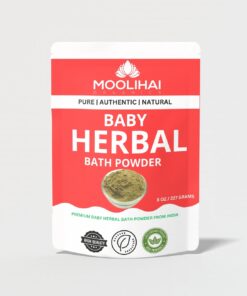
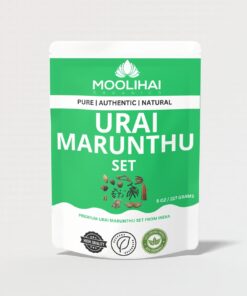
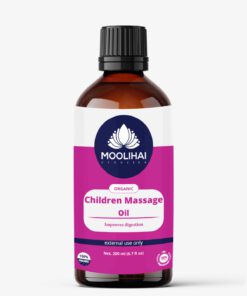
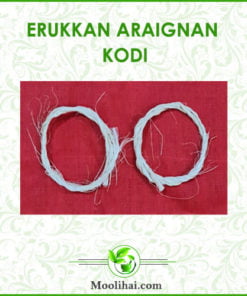
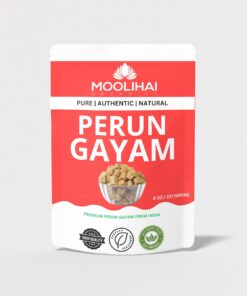
Yes — and this is in fact the traditional Siddha approach to baby care. Kasi Katti and the Urai Marunthu Set (Kadukkai, Maasikai, Jathikai, Vasambu, Perungayam) address complementary aspects of infant wellness. The Urai Marunthu herbs cover immunity, teething, appetite, colic, and brain development. Kasi Katti adds concentrated astringent and digestive support that the five grinding herbs don’t provide. Together, they form a comprehensive traditional baby care toolkit. Moolihai also offers Children’s Herbal Massage Oil (for external baby massage), Baby Herbal Bath Powder (traditional soap-free bathing), and Erukkan Araignan Kodi (protective cord). This complete Siddha baby care system — internal herbs + digestive resin + massage oil + herbal bath + protective cord — is the same protocol that Tamil families have followed for generations.
*Disclaimer: Kasi Katti (Acacia catechu heartwood resin) is a traditional Ayurvedic and Siddha herbal product. The uses described are based on classical Ayurvedic texts and traditional practitioner experience. This product has not been evaluated by the United States Food and Drug Administration. It is not intended to diagnose, treat, cure, or prevent any disease. Consult a healthcare provider before use, especially for infant/child use, during pregnancy, or if you are on blood-thinning medication (catechins may enhance anticoagulant effects). For infant use, always consult a paediatrician or qualified Siddha practitioner for appropriate dosage. Persistent diarrhoea, bleeding, or digestive symptoms require professional medical evaluation — do not self-treat serious conditions with herbal remedies alone. Individual results may vary.
| Weight | .1 kg |
|---|---|
| Weight |
3 reviews for Acacia catechu heartwood resin | Kasi Katti | Cutch Tree Resin
Add a review
You must be logged in to post a review.
Related products


Aman Singh –
Enhance digestion and regulate gut health.
Preeti Jain –
Excellent traditional product
Nikhil Sarja –
Good!!!