
Albizia Amara · Dried Leaves · Natural Herbal Shampoo · Chemical Free Hair Wash
Arapu Ilai — The Leaf That Washes Hair Without Shampoo
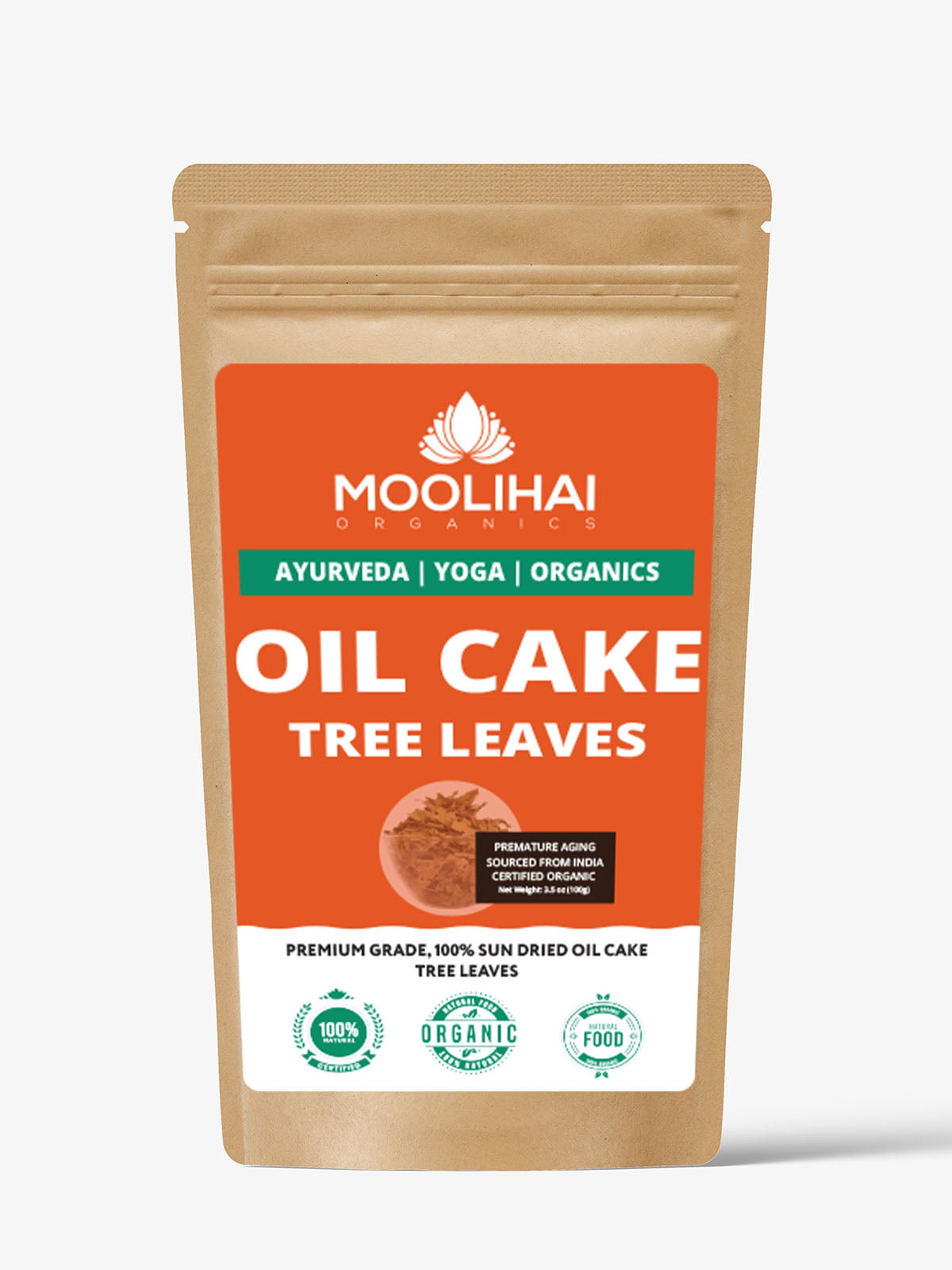
Before shampoo bottles existed in Tamil Nadu, women washed their hair with Arapu leaves. The dried leaves of Albizia amara (அரப்பு / Arapu) contain natural saponins — plant-based compounds that foam when mixed with water, producing a gentle lather that cleanses the scalp and hair without any synthetic detergent. No sodium lauryl sulfate, no parabens, no silicones, no artificial fragrance. Just a leaf, water, and a clean head of hair. Tamil grandmothers who used Arapu their entire lives typically had thick, dark hair well into old age — a fact that wasn’t lost on the Siddha medical tradition, which classified Arapu as both a hair cleanser and a hair growth promoter. These are sun-dried, whole Arapu leaves — soak them in water, grind into a paste, apply to the scalp and hair, massage, and rinse. The experience is different from commercial shampoo: no thick lather, no perfume, no squeaky-clean stripped feeling. Instead, soft, conditioned hair with natural body and a clean scalp that isn’t dried out.
Natural Saponin Lather
Zero Chemicals
Sun-Dried · Hand-Harvested
Ships via DHL / UPS
What Is Arapu?
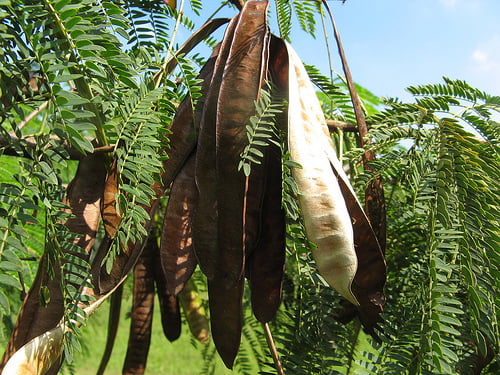
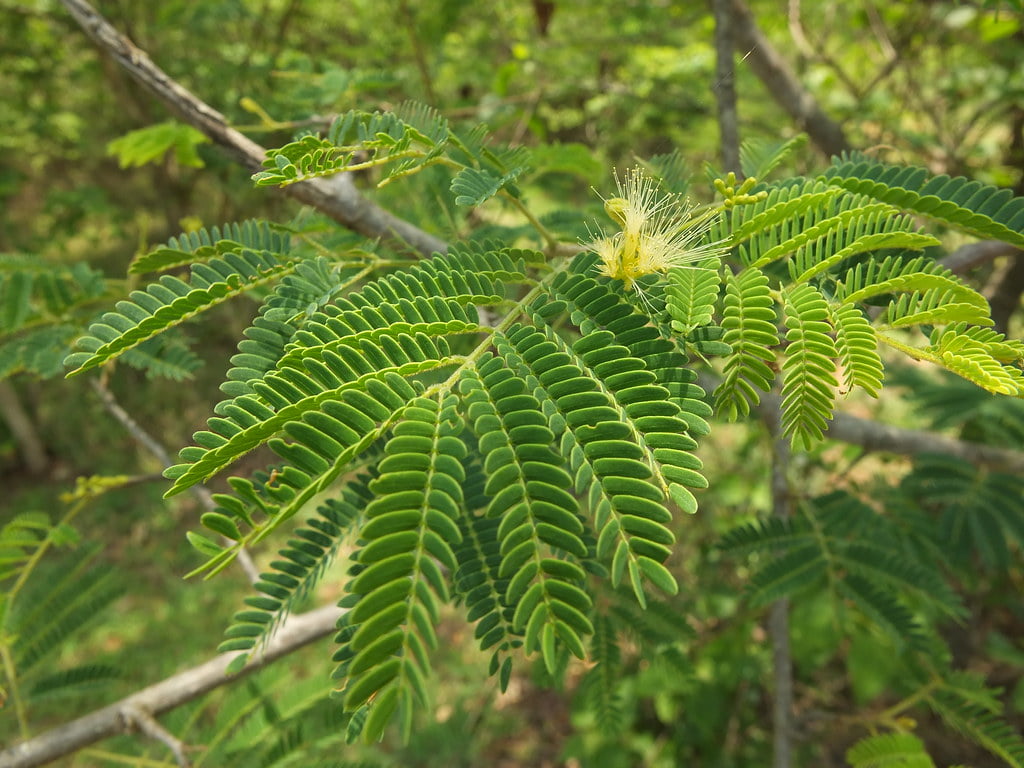
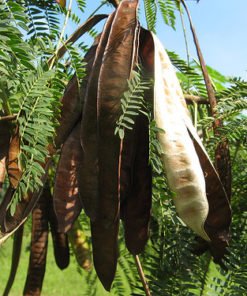
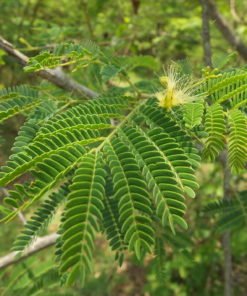
Albizia amara is a small, drought-resistant tree that grows 3–6 metres tall across the dry zones of South India — particularly Tamil Nadu, Karnataka, and Andhra Pradesh. It belongs to the Fabaceae (legume) family and produces compound leaves with 15–35 pairs of tiny leaflets on each stalk, giving the branches a feathery, fern-like appearance. The tree is called “Oil Cake Tree” in English because its seeds were historically pressed for oil, with the remaining cake used as fertiliser. But in Tamil households, the tree is known primarily for its leaves — Arapu Ilai (அரப்பு இலை) — which have been used as a natural hair wash for generations. The leaves contain saponins, tannins, flavonoids, and alkaloids. The saponins produce a natural foaming action in water that gently cleanses hair and scalp. The tannins provide astringent action that tightens the scalp tissue and strengthens hair roots. The flavonoids and alkaloids contribute anti-inflammatory and antimicrobial benefits.
Known Across India
Albizia Amara
Botanical name
அரப்பு (Arapu)
Tamil
कृष्ण सिरिस (Krishna Siris)
Hindi
വരച്ചീ (Varachchi)
Malayalam
నల్ల రేంజ్ (Nalla Renga)
Telugu
Oil Cake Tree
English
From Dried Leaves to Natural Shampoo
Soak the Leaves
Take a handful of dried Arapu leaves and soak in warm water for 30 minutes to an hour. The leaves will soften and begin releasing their saponins into the water — you’ll notice the water turning slightly foamy when agitated. For a stronger wash, soak overnight.
Grind into Paste
Grind the soaked leaves into a coarse paste using a blender, mortar and pestle, or by hand-crushing. The paste should be thick enough to apply to the scalp but wet enough to spread. Add more soaking water if needed. Some people strain out the leaf material and use only the saponin-rich liquid — this is cleaner but less potent. The full paste delivers the maximum concentration of saponins, tannins, and other active compounds directly to the scalp.
Apply, Massage, Rinse
Wet your hair thoroughly. Apply the Arapu paste to the scalp first, massaging in circular motions for 3–5 minutes. Work it through the hair length. The natural saponins will produce a mild, gentle lather — not the thick foam of SLS-based shampoo, but enough to lift oil, dirt, and buildup. Leave on for 5 minutes if you want deeper conditioning. Rinse thoroughly with water. You may need two applications the first few times if your hair is accustomed to heavy silicone-based products — the Arapu needs to cut through the silicone buildup from commercial conditioners before it can work on the hair directly.
Follow with Oil (Optional)
Arapu cleanses without stripping. Unlike commercial shampoo, which removes all natural oils and then requires conditioner to add artificial moisture back, Arapu leaves the hair’s natural oil balance largely intact. Most people don’t need conditioner after an Arapu wash. If your hair tends toward dryness, apply a few drops of Moolihai’s Bhringraj Oil or Moringa Oil to the ends while still damp. For a complete traditional Tamil hair care routine: oil the scalp with Bhringraj Oil the night before, wash with Arapu paste the next morning. The oil nourishes overnight; the Arapu cleanses gently without removing all the oil’s benefit.
What Arapu Does for Hair and Beyond
Natural Cleansing
Saponins lift dirt and oil without SLS
Hair Growth
Strengthens roots, reduces hair fall
Scalp Health
Antibacterial, anti-inflammatory, anti-dandruff
Natural Shine
Conditions without silicone coating
Zero Chemicals
No SLS, parabens, silicones, or fragrance
Anti-Inflammatory
Calms irritated, itchy scalp
Stress Relief
Traditional Siddha adaptogenic properties
Pregnancy Safe
Traditional use confirms safety for all ages
What You’re Getting
Dried Whole Leaves
Sun-dried Albizia amara
India
Origin — Tamil Nadu region
No Processing
Hand-harvested, sun-dried, nothing added
Primary Use
Natural herbal shampoo
Saponin-Rich
Natural foaming action in water
Biodegradable
Zero plastic, zero chemical waste
All Ages
Safe for children, adults, and pregnant women
Category
Leaves
Ships Worldwide
USA
5–7 Days
FREE OVER $99
UK
5–7 Days
FREE OVER $99
Canada
5–7 Days
FREE OVER $99
Ships worldwide via DHL/UPS. Shipping info →
Common Questions
Yes — it was the shampoo in Tamil Nadu for centuries before commercial products arrived. The saponins in Arapu leaves produce a natural lather that lifts oil, dirt, and scalp buildup. It won’t foam like a bottle of Pantene — the lather is mild and subtle. But the cleaning action is real and thorough. The transition period is the hard part: if you’ve been using SLS-based shampoo for years, your scalp overproduces oil to compensate for the stripping. When you switch to Arapu, your scalp takes 2–4 weeks to recalibrate its oil production downward. During that transition, your hair may feel oilier than usual. Push through it. By week three or four, your scalp finds its natural balance, and your hair starts looking better than it did with commercial shampoo — thicker, more natural body, less frizz, and a scalp that isn’t constantly itching or flaking.
Arapu has a mild, earthy, green scent — pleasant and natural, but nothing like the perfumed fragrance of commercial shampoo. After rinsing, the scent fades to virtually nothing within an hour. Your hair won’t smell bad — it just won’t smell like artificial flowers or synthetic fruit. If you want a pleasant scent, add a few drops of Moolihai’s Rosemary or Lavender Essential Oil to the Arapu paste before applying — both add fragrance while contributing their own hair-health benefits. After a few weeks of Arapu use, most people stop missing the artificial fragrance entirely and start finding the chemical smell of regular shampoo oddly aggressive by comparison.
Both are traditional South Indian herbal hair washes that contain natural saponins. Shikakai (Acacia concinna) is probably the more widely known one — it has a slightly higher saponin content, produces a bit more lather, and has a mildly acidic pH that detangles hair. Arapu (Albizia amara) is milder, has stronger anti-inflammatory and adaptogenic properties, and is traditionally considered better for sensitive scalps and people with scalp irritation or inflammation. Some Tamil households use Arapu for the scalp (medicinal cleaning) and shikakai for the hair length (detangling and shine). Both are excellent; they’re different tools from the same tradition. Using either one is infinitely better for your hair than SLS-based commercial shampoo.
This is where natural shampoos have a genuine advantage. SLS-based shampoos strip colour faster because the harsh detergent attacks the colour molecules along with everything else. Arapu’s gentle saponin-based cleansing is much kinder to colour-treated hair — it cleans without aggressively stripping. Your colour will last longer between touch-ups. The caveat: Arapu is an astringent and may slightly tighten the hair cuticle, which could affect how colour absorbs during the next treatment. Inform your colourist that you use herbal shampoo so they can adjust their process if needed. For chemically straightened or permed hair, Arapu’s gentleness is also a benefit — it won’t undo the treatment the way harsh shampoos can.
Yes. Arapu is one of the few herbal products that traditional Siddha texts explicitly confirm as safe for pregnant women — both for external use (hair wash) and general wellness. Pregnant women in Tamil Nadu have used Arapu as their hair wash throughout pregnancy for generations without any reported adverse effects. In fact, switching from commercial shampoo (which contains chemicals absorbed through the scalp) to a completely natural herbal wash like Arapu during pregnancy is a positive step for reducing chemical exposure during a sensitive period.
*Arapu Ilai is a traditional herbal hair wash made from sun-dried Albizia amara leaves. The hair health and cleansing benefits described are based on the saponin content of the leaves and traditional Siddha usage over generations. Not intended to diagnose, treat, cure, or prevent any disease. Individual hair type and transition experience will vary. If you have a known allergy to plants in the Fabaceae (legume) family, perform a patch test before use. The anti-inflammatory, stress-relief, and cholesterol-lowering benefits mentioned refer to traditional Siddha and Ayurvedic knowledge for the plant as a whole, not specifically proven for topical hair wash application. Store dried leaves in a cool, dry, breathable container.
Reviews
There are no reviews yet.