
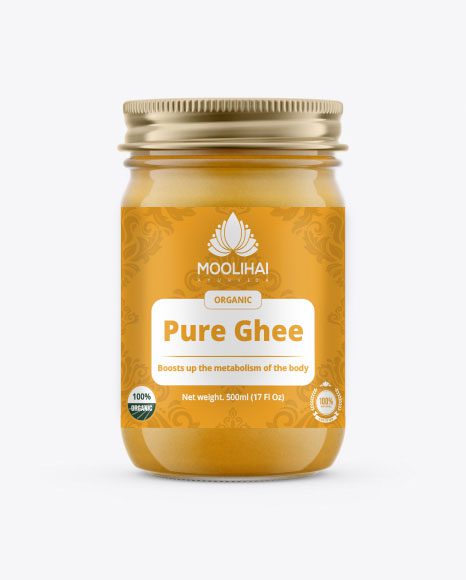
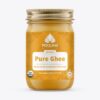
Organic Cow Ghee- Desi Cow Ghee- Moolihai- 500 ml
39.99$
Quantity: 500 gm
Made in India.
Organic, Natural Ghee.
A2 Desi Cow Ghee · Traditional Bilona Method · நாட்டு பசு நெய்
Hand-Churned, Slow-Cooked, Golden — The Way Ghee Was Meant to Be
100% organic desi cow ghee made the ancient Ayurvedic way. Milk from free-range, grass-fed Indian cows is set into curd, hand-churned into butter (bilona method), then slow-cooked over low flame until the water evaporates and golden, aromatic ghee remains. No shortcuts, no industrial separators, no blended oils. Just pure, fragrant, nutrient-rich ghee — the way South Indian grandmothers have made it for generations. 500ml jar.
100% Organic — No Additives
Bilona Hand-Churned
Free-Range Desi Cows
Ships via DHL / UPS
Why Bilona Ghee Is Worth Every Rupee
Industrial ghee is made by separating cream from milk in machines, then heating it. Bilona ghee takes the long road — curd → hand-churning → butter → slow-cooking. This traditional Ayurvedic process preserves fat-soluble vitamins, develops a richer aroma, and produces ghee that is fundamentally different in taste, texture, and nutrition.
Whole Milk → Curd
Fresh, full-fat milk from free-range desi cows is set into curd overnight. No cream separation — the entire milk is cultured. This is the critical first step that industrial ghee skips entirely. Culturing develops beneficial bacteria and begins the process of transforming milk fats into more digestible, aromatic compounds.
Hand-Churned Butter (Bilona)
The curd is hand-churned using a traditional wooden bilona (churner). This separates the butter (makkhan) from the buttermilk. Hand-churning at room temperature preserves delicate nutrients that machine separation destroys with heat and speed. The leftover buttermilk (chaas) is itself a probiotic-rich drink — nothing is wasted.
Slow-Cooked to Golden Ghee
The butter is slow-cooked over a gentle flame. Water evaporates, milk solids settle and are removed, and what remains is pure, golden, intensely aromatic ghee. The slow-cooking process is what gives bilona ghee its signature nutty fragrance and granular texture. You can smell the difference the moment you open the jar.
Why Pure Desi Ghee Is a Superfood
Ghee has been central to Indian cooking, Ayurvedic medicine, and spiritual practice for over 5,000 years. Modern science is now validating what generations knew — ghee from grass-fed, desi cows is rich in fat-soluble vitamins, omega fatty acids, conjugated linoleic acid (CLA), and butyric acid.
Rich in Vitamins A, D, E & K
Ghee from grass-fed cows is one of the richest natural sources of fat-soluble vitamins. Vitamin A supports eye health and immunity. Vitamin D strengthens bones and mood. Vitamin E is a powerful antioxidant. Vitamin K2 — particularly abundant in grass-fed ghee — supports calcium absorption and cardiovascular health. These vitamins require fat for absorption, and ghee delivers them in their ideal medium.
Digestive Health & Gut Support
Ghee is one of the richest dietary sources of butyric acid — a short-chain fatty acid that nourishes the cells lining the intestinal wall and supports gut barrier integrity. Ayurveda has recommended ghee for digestive health for millennia — modern research is confirming that butyric acid plays a critical role in gut health, inflammation reduction, and healthy bowel function. A teaspoon before meals is the traditional Ayurvedic method.
High Smoke Point (250°C / 485°F)
Ghee has one of the highest smoke points of any cooking fat — far above olive oil, coconut oil, and regular butter. This means it doesn’t break down into harmful compounds at high temperatures. It’s ideal for Indian tadka, deep frying, sautéing, and roasting. Food cooked in ghee tastes better because the fat remains stable and imparts a rich, nutty flavour without burning.
Naturally Lactose & Casein Free
The slow-cooking process removes virtually all milk solids — including lactose and casein. Most people with mild dairy sensitivity can enjoy ghee without issue. This is why Ayurveda considers ghee the purest form of dairy — it retains the nutritional benefits while removing the compounds that cause intolerance. If you have a severe dairy allergy, consult your doctor first.
CLA — Conjugated Linoleic Acid
Grass-fed ghee contains significantly higher levels of conjugated linoleic acid (CLA) compared to grain-fed dairy. CLA is a naturally occurring fatty acid that has been studied for its potential role in supporting healthy metabolism and body composition. The grass-fed, desi cow difference isn’t marketing — it’s measurable in the fatty acid profile of the ghee.
Ayurvedic Medicine Carrier
In Ayurveda, ghee is the primary anupana (carrier) for herbal medicines. It enhances the absorption and bioavailability of fat-soluble herbal compounds, delivering them deeper into tissues. Many Moolihai herbal powders are traditionally taken with ghee for maximum effectiveness. Ghee is also used in nasya (nasal administration), netra tarpana (eye care), and panchakarma detoxification.
Ways to Enjoy Desi Cow Ghee
Cooking & Frying
Use as your primary cooking fat for dal tadka, rice, roti, dosa, curries, stir-fries, and deep frying. The high smoke point (250°C) makes it ideal for Indian cooking methods. A teaspoon of ghee added to hot rice with dal is one of life’s simplest pleasures. Replace butter or vegetable oil in any recipe for richer flavour and better heat stability.
Ayurvedic Wellness
Take 1 teaspoon on an empty stomach in the morning with warm water for digestive support (Ayurvedic tradition). Mix with herbal powders (turmeric, ashwagandha, moringa) for enhanced absorption. Apply a drop inside each nostril before bed for nasal health (nasya). Use as a base for herbal face masks and body massage during seasonal changes.
Finishing & Drizzling
Drizzle over hot dal, khichdi, biryani, parathas, or steamed vegetables for instant flavour elevation. Add a spoonful to warm milk with turmeric and pepper for golden milk (haldi doodh). Spread on hot roti, dosa, or toast as a butter replacement. The nutty, caramelised aroma of bilona ghee transforms simple dishes into something special.
What You’re Getting
500 ml
Glass jar
Desi Cow Milk
Free-range, grass-fed
Tamil Nadu, India
Origin
FSSAI Certified
Quality assured
250°C / 485°F
Smoke point
Bilona Method
Traditional preparation
No Preservatives
No additives
12+ Months
Shelf life (unopened)
Ships Worldwide
USA
5–7 Days
FREE OVER $99
UK
5–7 Days
FREE OVER $99
Canada
5–7 Days
FREE OVER $99
Ships worldwide via DHL/UPS. Shipping info →
Common Questions
The difference is in the process. Commercial ghee is made by machine-separating cream from milk and heating it — fast and cheap. Bilona ghee starts with whole milk set into curd, then hand-churned into butter, then slow-cooked. It takes roughly 25–30 litres of milk to produce 1 litre of bilona ghee (versus 15–18 litres for industrial ghee) because the curd-churning route extracts less fat but retains more nutrition and aroma. You’re paying for the traditional method, desi cow sourcing, and a fundamentally better product.
Desi (indigenous Indian) cow breeds like Gir, Sahiwal, and Kangeyam produce A2 beta-casein milk, which is considered easier to digest and closer to human milk protein structure. Most commercial ghee comes from hybrid or cross-bred cows that produce A1 milk. The fatty acid profile also differs — grass-fed desi cows produce milk with higher CLA and omega-3 levels. The flavour is distinctly richer, nuttier, and more aromatic than mass-produced ghee.
Most people with mild lactose intolerance can enjoy ghee without problems. The slow-cooking process removes virtually all lactose and casein (milk solids). What remains is pure butterfat. However, if you have a severe dairy allergy (as opposed to intolerance), trace amounts may still be present. Consult your doctor if you have a diagnosed dairy allergy. For lactose intolerance specifically, ghee is generally well tolerated.
Pure ghee does not need refrigeration — store at room temperature in a cool, dry place away from direct sunlight. Always use a clean, dry spoon to scoop ghee — moisture is the enemy. If water gets in, it can spoil. Properly stored, ghee lasts 12+ months unopened and 3–6 months after opening. In Ayurveda, aged ghee (purana ghrita) is considered even more medicinal. Ghee may become granular or change colour slightly with temperature changes — this is completely normal.
Ghee has distinct advantages: higher smoke point than butter or olive oil (so it doesn’t form harmful compounds at cooking temperatures), naturally free of lactose and casein, rich in butyric acid for gut health, and contains fat-soluble vitamins A, D, E, and K2. It’s calorie-dense like all fats, so moderation matters. But as a cooking fat, ghee is one of the most stable and nutritious options available — especially for Indian cooking methods that involve high heat.
For a typical household using ghee daily in cooking (1–2 tablespoons per meal) plus occasional drizzling and Ayurvedic use, a 500ml jar lasts approximately 4–6 weeks. For lighter use — drizzling on rice, occasional cooking, or purely Ayurvedic intake (1 teaspoon daily) — it can last 2–3 months. A little goes a long way with bilona ghee — the flavour is significantly more intense than commercial ghee, so you’ll often use less per dish.
*Disclaimer: This is a food product. Nutritional and health benefits described are based on traditional Ayurvedic knowledge and general nutritional science. Individual results may vary. This product has not been evaluated by the FDA for medical claims. Consult your healthcare provider if you have a dairy allergy or are on a medically restricted diet. Store in a cool, dry place with a clean, dry utensil. Contains dairy (butterfat).
| Weight | .8 kg |
|---|
Be the first to review “Organic Cow Ghee- Desi Cow Ghee- Moolihai- 500 ml”
You must be logged in to post a review.


Reviews
There are no reviews yet.