
 Natural and Organic Rose Petals Soap for Anti-Aging Skin Beauty | Skin Brightening of Face & Body -100gm(3.5Oz)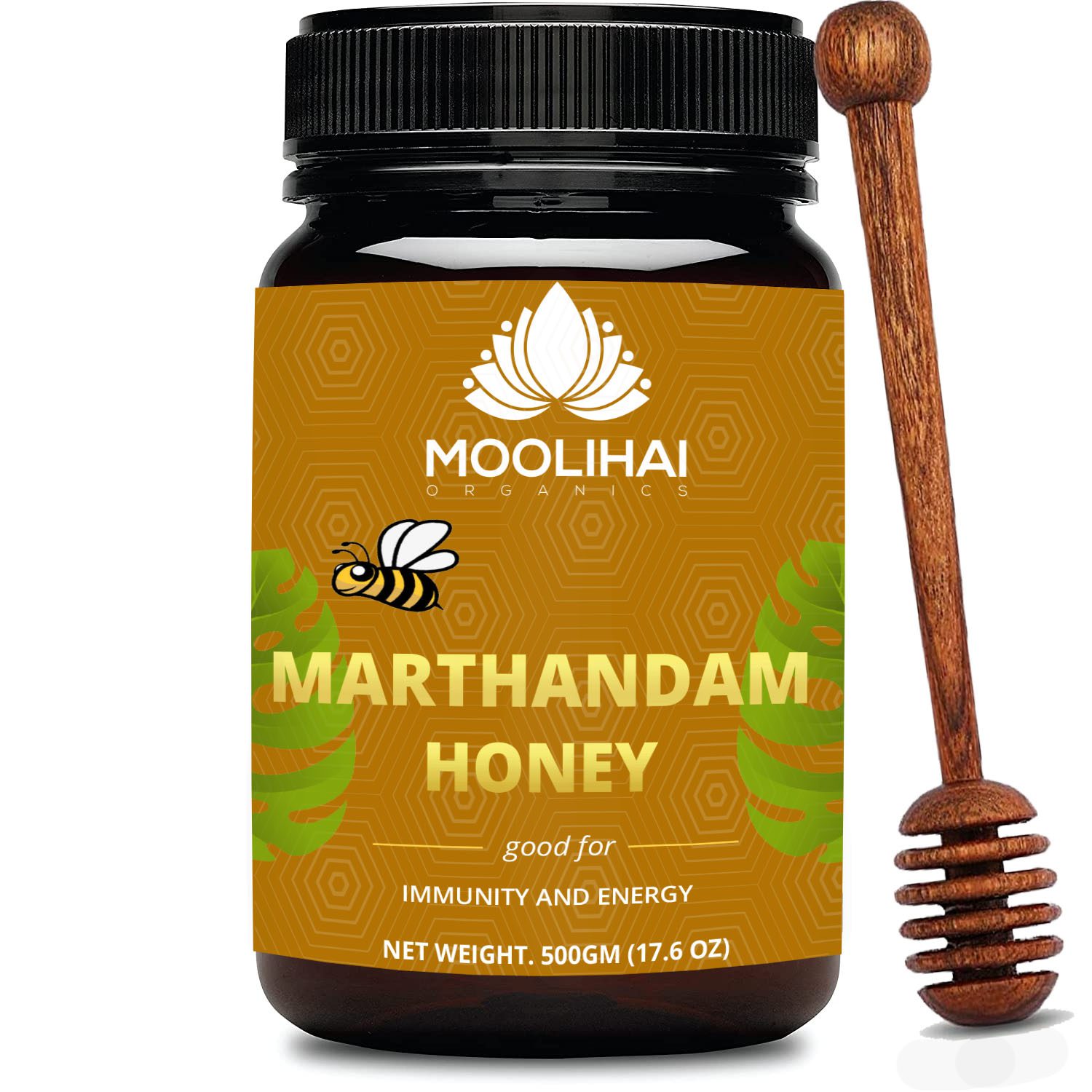
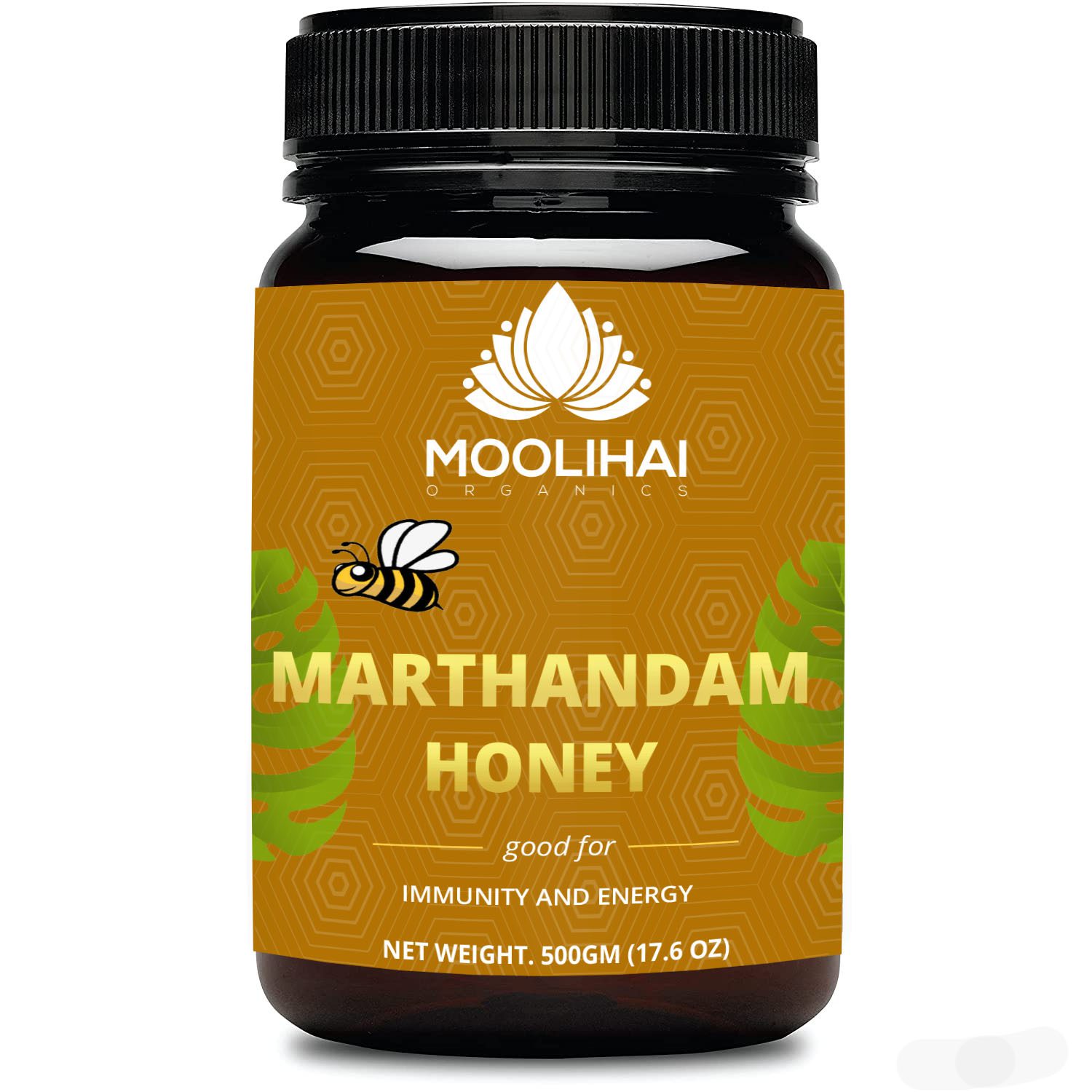

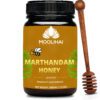
Co-operative AGMARK Marthandam Honey – 500 gm (17.6 oz)
29.00$
Weight: 500 gm (17.6 oz)
Origin: India
Ingredient: Multiflora Nectar
Multiflora Forest Honey · AGMARK Certified · 500g (17.6 oz)
From a 1937 Co-operative in South India’s Forest Heartland — Raw, Unprocessed, Government-Certified
This honey comes from the Marthandam Beekeepers Co-operative Society — a collective of 1,400 beekeepers that has operated continuously since 1937. That’s nearly 90 years of beekeeping heritage in the forests of Kanyakumari district, Tamil Nadu. The honey is AGMARK certified (India’s government quality standard for agricultural products), raw, unprocessed, and multifloral — meaning the bees forage from dozens of wild forest flower species, creating a complex flavour profile that monofloral honeys can’t match. Every jar supports over 10,000 rural livelihoods. 500g.
AGMARK Certified
Raw & Unprocessed
Est. 1937 Co-operative
Ships via DHL / UPS
Nearly 90 Years of Forest Beekeeping
The Marthandam Beekeepers Co-operative Society was founded in 1937 with just 25 members. Today, it has grown to 1,400 member beekeepers operating across the forest regions of Kanyakumari district in the southernmost tip of Tamil Nadu. The society is recognised by India’s Village Industries Commission and provides direct employment to over 10,000 rural people — beekeepers, harvesters, processors, and their families. When you buy this honey, you’re not buying from a corporation. You’re buying from a community that has protected and practised forest beekeeping for nearly nine decades.
What Makes Marthandam Honey Different
AGMARK Certified — Government Quality Guarantee
AGMARK is India’s official quality certification for agricultural products — equivalent in authority to USDA grading in the United States. An AGMARK honey certification means the honey has been tested and verified for purity, moisture content, adulteration (no added sugars, syrups, or water), and compliance with national food safety standards. This isn’t a private label claim or a self-declared “pure” label. This is government-verified quality. Not all Indian honeys carry AGMARK — it requires facility inspection, batch testing, and ongoing compliance.
Multiflora Forest Honey — Complex Wild Flavour
The bees forage freely across the forests of Kanyakumari district, collecting nectar from dozens of wild flowering species — not from a single crop or plantation. This creates a multifloral honey with a complex flavour profile that changes subtly with each harvest season, depending on which flowers were blooming. Multiflora forest honey typically has higher antioxidant content than monofloral honey because it draws from a broader range of plant compounds. No two batches taste exactly the same — that’s a feature, not a flaw.
Raw & Unprocessed — Nothing Removed, Nothing Added
Most commercial honey is heated (pasteurised) to prevent crystallisation and make it look clear on the shelf. That process destroys enzymes, pollen, and many of the beneficial compounds that make raw honey valuable. Marthandam Honey is raw and unprocessed — strained to remove debris, but never heated above natural hive temperatures. It retains all its natural enzymes (including diastase and invertase), pollen, propolis traces, and the full spectrum of micronutrients. It may crystallise over time — that’s normal and a sign of real, unprocessed honey.
Seasonal Harvest — February to April
This honey is harvested during peak season between February and April, when South Indian forest flowers are at maximum bloom. Seasonal harvesting means the bees aren’t forced to produce year-round, and the honey is collected at optimal ripeness. The seasonal nature also means supply is limited — once the year’s harvest is sold, it’s sold until the next season. This is not factory-produced honey available in infinite quantities.
What’s Inside Raw Honey
Fructose 38.2%
Natural fruit sugar
Glucose 31.3%
Quick energy source
Water 17.2%
Low moisture = quality
Maltose 7.1%
Complex sugar
pH 3.2–4.5
Naturally acidic
Ash 0.2%
Minerals present
Sucrose 1.3%
Minimal table sugar
Enzymes Active
Diastase & invertase
Raw honey contains iron, zinc, potassium, magnesium, calcium, vitamins B2, B3, B5, B6, and vitamin C — plus naturally occurring enzymes, amino acids, and antioxidants. The low sucrose content (1.3%) confirms this is genuine honey — adulterated honey typically shows high sucrose levels. The 17.2% moisture content is within the ideal range (below 20%), indicating properly ripened honey with a long shelf life and low fermentation risk.
Ways to Enjoy Your Honey
In Tea — The Perfect Sweetener
Add a teaspoon to any Moolihai tea for natural sweetness and additional enzymes. Works beautifully with Hibiscus Rose (floral honey + floral tea), Lemon Ginger (honey + citrus is a classic), and Masala Chai (the traditional Indian way). Important: add honey after the tea has cooled slightly (below 60°C/140°F) — very hot water damages the enzymes that make raw honey valuable. Stir well and enjoy the depth of flavour that refined sugar can never match.
Morning Ritual — Warm Water & Honey
One of the oldest Ayurvedic practices: dissolve a tablespoon of raw honey in a glass of warm (not hot) water first thing in the morning on an empty stomach. Traditional medicine holds that this kickstarts digestion, supports metabolism, and gently cleanses the system. Add a squeeze of lemon for additional vitamin C and detoxification. This simple 30-second ritual is practised by millions of people in India daily. Many people notice improved energy and digestion within the first week.
Sore Throat & Cold Remedy
Raw honey is one of the most effective natural remedies for sore throats and coughs — multiple clinical studies have shown it to be as effective as some over-the-counter cough suppressants. The thick consistency coats and soothes irritated throat tissue. The natural antibacterial properties (from hydrogen peroxide produced by the enzyme glucose oxidase) help fight infection. Mix a tablespoon of honey with warm water and lemon juice, or eat it straight from the spoon. Combine with Moolihai’s Lemon Ginger Green Tea for maximum cold-fighting power.
What You’re Getting
500g (17.6 oz)
Single jar
Multiflora
Wild forest nectar
Kanyakumari, India
Origin
AGMARK
Government certified
Raw & Unprocessed
Never heated
Seasonal Harvest
Feb–Apr peak season
Co-operative
1,400 beekeeper members
$29.00
~$0.06 per gram
Ships Worldwide
USA
5–7 Days
FREE OVER $99
UK
5–7 Days
FREE OVER $99
Canada
5–7 Days
FREE OVER $99
Ships worldwide via DHL/UPS. Shipping info →
Common Questions
AGMARK is India’s official government certification for agricultural product quality, managed by the Directorate of Marketing and Inspection under India’s Ministry of Agriculture. For honey, AGMARK certification means the product has been laboratory-tested and verified for purity (no added sugars, corn syrup, or water), moisture content (confirming proper ripening), and compliance with food safety standards. The certification requires facility inspection, batch-level testing, and ongoing compliance audits. It’s the Indian equivalent of USDA organic or USDA grading — a government guarantee, not a self-declared label.
No — crystallisation is actually proof that the honey is real and unprocessed. All natural honey crystallises over time because the glucose naturally separates from the water. The speed of crystallisation depends on the glucose-to-fructose ratio (higher glucose = faster crystallisation) and storage temperature. Most commercial honey is ultra-filtered and pasteurised specifically to prevent crystallisation on the shelf — which also destroys enzymes and pollen. If your honey crystallises, gently warm the jar in a bowl of warm water (not hot, not microwave) and it will return to liquid. The flavour and quality are completely unaffected.
Three layers of assurance. First, AGMARK certification requires laboratory purity testing — adulterated honey fails AGMARK testing. Second, the Marthandam Co-operative has been operating since 1937 and is recognised by India’s Village Industries Commission — their reputation is built on decades of verified quality. Third, the nutritional profile itself is a marker: the low sucrose content (1.3%) is characteristic of genuine honey (adulterated honey spiked with sugar syrup shows much higher sucrose). Raw, unprocessed honey from a certified co-operative with 87 years of history is about as trustworthy as honey gets.
For 500g of raw, AGMARK-certified, co-operative forest honey shipped internationally from India — $29 is very competitive. Comparable raw forest honeys in the US market (Manuka, wildflower, artisan) cost $15–40+ for 250–340g jars. At $0.06 per gram, Marthandam Honey costs roughly half of what premium Manuka honey costs per gram. The price also reflects fair payment to the 1,400 beekeeper families in the co-operative — this isn’t factory-produced honey subsidised by low wages. You’re getting genuine artisan quality at a fair price.
Never give honey to children under 12 months of age. Honey can contain Clostridium botulinum spores, which are harmless to older children and adults but can cause infant botulism in babies whose digestive systems are not yet mature enough to handle them. This applies to all honey — raw or processed, from any source. For children over 1 year, honey is safe and is actually recommended by many paediatricians as a natural cough suppressant (often more effective than over-the-counter cough medicines for children).
Store at room temperature in a cool, dry place away from direct sunlight. Do not refrigerate — cold temperatures accelerate crystallisation. Raw honey has an essentially indefinite shelf life when stored properly — archaeologists have found edible honey in 3,000-year-old Egyptian tombs. The natural acidity (pH 3.2–4.5), low moisture (17.2%), and hydrogen peroxide production create an environment where bacteria cannot survive. Always use a clean, dry spoon — introducing moisture or food particles can cause localised fermentation.
*Disclaimer: This is a food product. Health benefits described are based on the known properties of raw honey and general nutritional science. This product is not intended to diagnose, treat, cure, or prevent any disease. Never give honey to children under 12 months due to the risk of infant botulism. Honey is a natural sugar — people with diabetes should consume in moderation and consult their healthcare provider. Individual results vary.
| Weight | 0.5 kg |
|---|
Be the first to review “Co-operative AGMARK Marthandam Honey – 500 gm (17.6 oz)”
You must be logged in to post a review.

Reviews
There are no reviews yet.